
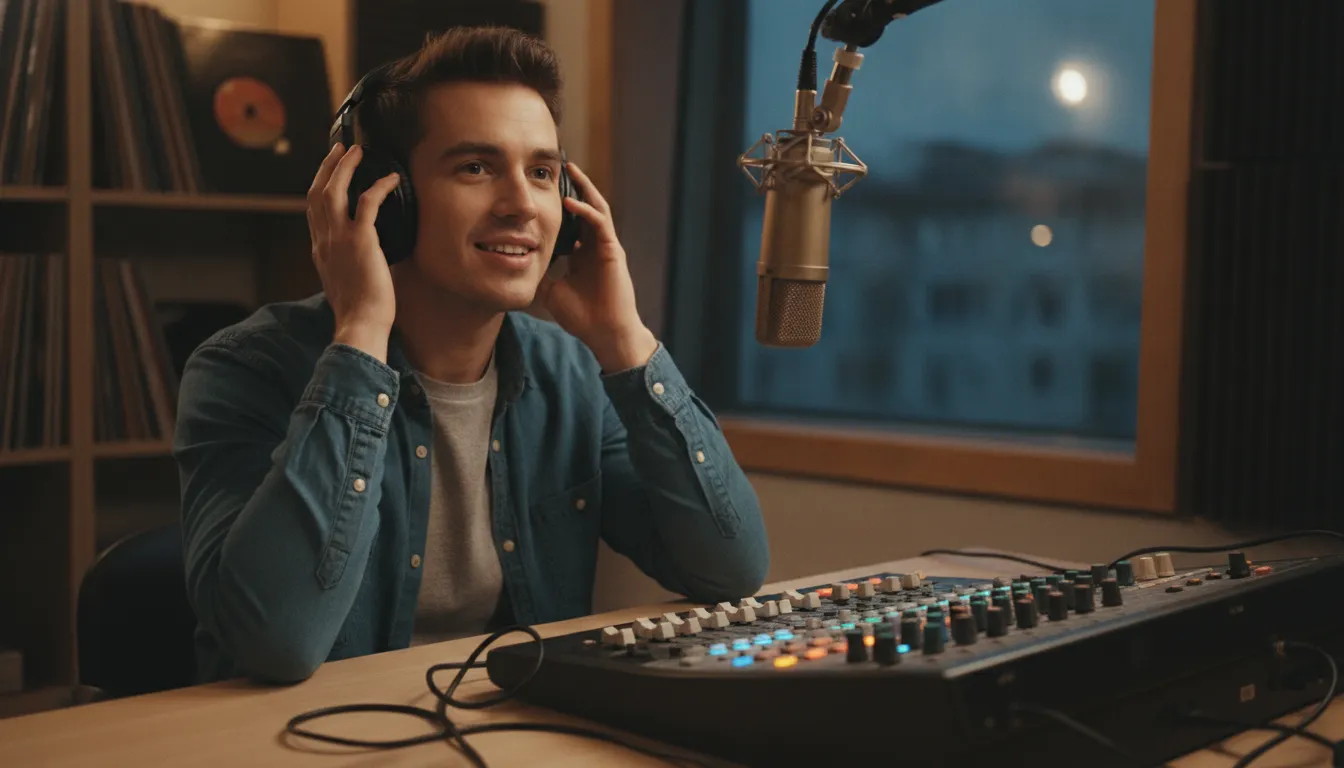
Getting a song heard by the right listeners takes more than uploading a track and hoping a programmer finds it. Radio promotion works best when an artist understands the audience, format, and relationships behind each station, then presents the music professionally.
Music promotion services for radio typically act as intermediaries between artists and stations, pitching tracks to programmers, following up, and helping identify outlets where a song may fit. Legitimate services can improve access, but they cannot honestly guarantee airplay, which should depend on a station’s format and the music’s merit.
That distinction matters for independent artists weighing paid campaigns against direct outreach and free submission options. rBeatz offers a human-curated, merit-based path for artists to submit music without submission or distribution fees, although review never guarantees a feature or rotation. To make a smart choice, start by understanding what a radio promotion campaign actually includes and where its value begins and ends.
Submit your music to rBeatz for free
What Do Music Promotion Services for Radio Actually Do?
Music promotion services for radio handle the relationship work between an artist and the people who decide what gets heard on a station. A radio promoter acts as an intermediary, presenting new songs to program directors, music directors, and DJs who may consider them for airplay. Berklee describes this role as marketing new music to those decision-makers through established industry relationships. Learn more about the radio promoter role from Berklee.
That relationship is not just a large contact list. Experienced promoters understand station formats and can listen to a recording, identify its strongest audience or programming fit and determine which outlets are most likely to give it serious consideration. A rock single, an alternative track, and a contemporary hip-hop release may all need different pitches, different station targets, and different timing. Berklee notes that promoters use this format knowledge to identify stations most likely to place a record into rotation.
Pitching the right song to the right people
Day to day, the work can include preparing a release for radio, selecting appropriate stations, contacting music directors and DJs, and explaining why the track fits their audience. Professional campaigns may distribute music directly to thousands of radio stations and media contacts worldwide. One commercial service, for example, advertises delivery to more than 40,000 contacts, although reach alone does not guarantee a review, rotation, or airplay. The quality of targeting and the relevance of the pitch matter more than an impressive database.
Following up and tracking the response
Radio promotion also requires consistent follow-up. A promoter may check whether a station received the track, answer requests for clean edits or additional information, and contact the outlet again at an appropriate time. This persistence helps prevent a promising release from disappearing in an overloaded inbox, but legitimate outreach should still respect each station’s submission rules and programming decisions.
Reporting turns that activity into something an artist can evaluate. Campaign services may provide bi-weekly reports showing airplay activity and other campaign developments, giving artists a clearer view of where a song is being considered or played. Ask what a report measures, how often it arrives, and whether it distinguishes confirmed airplay from outreach or delivery.
Adding press visibility to radio outreach
Some services extend a campaign beyond radio by arranging press visibility, such as distributing a press release to news or music outlets. That can support broader awareness around a single or release, but press coverage and radio airplay are separate outcomes. Artists should review exactly what is included, which outlets are targeted, and whether the service promises exposure it cannot control.
In short, a radio promotion service should provide targeted pitching, informed relationship management, follow-up, transparent reporting, and clearly defined visibility support. It should not sell guaranteed airplay. Stations make their own programming choices, and serious promotion works by creating relevant opportunities rather than replacing that judgment.
How Much Do Music Promotion Services for Radio Cost?
There is no single rate for radio promotion. The price depends on the campaign length, the markets being targeted, the promoter’s relationships, and whether the package includes press or digital promotion. For an independent artist, the important question is not simply, “How much does it cost?” It is. “What work am I paying for, and how will the results be documented?”
As one market example, Radio Pluggers advertises a six-week campaign at approximately £900. The service says that campaign delivers music to more than 40,000 radio stations and media contacts worldwide. It also states that campaigns can include press releases distributed through Google News, major network affiliates, and additional outlets. Those are competitor claims, not a guaranteed outcome, so treat the figure as a reference point for a professional campaign rather than a universal industry price. You can review the provider’s campaign details and compare exactly what is included before committing.
A legitimate paid campaign may cover format research, targeted pitching, follow-up with programmers, delivery of clean metadata and audio, and reporting. Radio promoters function as intermediaries between artists and station decision-makers, using their contacts and knowledge of station formats to identify appropriate opportunities. A higher fee may therefore reflect labor and access, not a promise that every station will play the track. Ask whether the service explains its target list, campaign timeline, reporting method, and selection criteria in writing.
Paid promotion is not the only route
Artists can also reduce upfront costs by handling parts of the process themselves. Build a professional electronic press kit, prepare correctly labeled audio files, research stations that genuinely fit the music, and submit according to each station’s published requirements. This takes time, and broad distribution is difficult without established relationships, but it can be a practical option for artists with a focused genre and a manageable list of stations.
There is also a difference between paying for outreach and paying for access. A service can charge for research, pitching, follow-up, and reporting. It should not represent payment as a requirement for guaranteed airplay. At rBeatz, artists can submit music for free for consideration through a merit-based review. Submission does not guarantee airplay or a feature, but it gives suitable independent music a no-cost path to be considered by a human-curated platform.
Before choosing a package, read the real cost of getting a song on the radio. Compare the quoted fee with the actual scope, ask what evidence you will receive, and keep enough budget for the music, artwork, and release plan itself.
Red Flags to Avoid When Hiring a Music Promotion Service for Radio
Radio promotion can connect an independent artist with programmers, music directors, and DJs, but not every service deserves your trust or budget. A credible promoter should help you understand where your track is being presented, why those outlets fit your sound, and what results can realistically be expected. Watch for these warning signs before signing a contract or sending payment.
Guaranteed airplay promises
The clearest red flag is a promise that your song will definitely receive airplay. Legitimate promotion services can pitch your release, use relevant industry relationships, and improve the quality of your outreach. They cannot control every station’s programming decisions. Radio outlets still decide what fits their audience, format, and schedule.
As the related question “Do music promotion services for radio guarantee airplay?” makes clear, a trustworthy answer is no. A service may discuss its process, target stations, previous campaign activity, or reporting system, but it should not sell certainty where editorial judgment is involved. Be especially cautious when a guarantee is tied to a specific number of spins without naming the stations, formats, or terms behind that claim.
Pay-for-play or disguised vanity fees
Ask exactly what your payment covers. A professional campaign fee may pay for targeted pitching, delivery, follow-up, project management, and reporting. That is different from paying a station or intermediary simply to place a song into rotation. If a company describes guaranteed placement as the core product, treats payment as the deciding factor in airplay, or adds unexplained “exposure” charges, step back.
Vanity services can also hide behind impressive-sounding packages. Press mentions, playlist screenshots, social posts, or a large contact count may look valuable without demonstrating that the recipients were relevant to your genre or likely audience. Ask which deliverables are included and whether they represent genuine outreach rather than cosmetic visibility.
No transparent reporting
You should receive enough information to evaluate the work. Before hiring, request a sample report and ask how often updates arrive. Useful reporting identifies the stations or contacts approached, the dates of outreach, responses received, follow-up activity, and any confirmed airplay. A vague promise to “send your music everywhere” is not a measurement plan.
Vague targeting and pressure tactics
Radio promotion depends on format knowledge. A promoter should be able to explain why your song fits particular stations and audiences, not just claim access to a huge database. If the service cannot describe its genre targeting, delivery process, or campaign timeline, you may be paying for volume instead of strategy.
Finally, do not let a limited-time discount, an immediate payment demand, or fear-based language rush your decision. Ask for the agreement in writing, review cancellation terms, and compare the service’s promises with its actual reporting commitments. A partner who respects your questions is more credible than one who treats scrutiny as an obstacle.
Radio Promotion vs Spotify Promotion: Know the Difference
Promotion can look very different depending on where you want listeners to discover your music. Radio promotion is built around airplay: getting a track in front of station programmers, music directors, DJs, and audiences who may hear it during a curated broadcast. Spotify promotion is generally built around playlist placement, profile activity, and the streaming signals that show how listeners respond to a track.
Neither path is automatically better. The right choice depends on your release goals, genre, audience, and the kind of discovery you want to encourage. A radio campaign may help introduce a song in a human-curated listening environment, while a streaming-focused campaign may prioritize measurable listening activity on a specific platform. Knowing the distinction helps you evaluate music promotion services for radio without expecting them to deliver the same outcome as a Spotify campaign.
| Goal | Delivery target | Success metric | Cost drivers |
|---|---|---|---|
| Build awareness through broadcast discovery and earn airplay | Radio stations, music directors, programmers, and DJs | Airplay, station interest, audience reach, and repeat exposure | Targeted outreach, campaign length, station coverage, follow-up, and reporting |
| Increase platform-based listening and playlist visibility | Spotify playlists, curators, artist profiles, and streaming listeners | Playlist placements, streams, saves, follows, and listener engagement | Campaign scope, curator outreach, creative assets, audience targeting, and reporting |
Radio promotion is relationship- and format-driven
A radio promoter acts as an intermediary between an artist and the people who decide what a station plays. Berklee describes radio promoters as professionals who market new songs to program directors, music directors, and DJs through established industry relationships: Berklee’s radio promoter overview. Strong promotion also requires format knowledge. A promoter should understand whether a track fits a station’s sound and audience before presenting it.
That process is not the same as submitting a song to a playlist. Radio results can include a station adding a track to rotation, a music director requesting more information, or a new audience hearing the artist during a curated show. Radio continues to introduce music to new audiences alongside streaming platforms, including Spotify, Pandora, and Apple Music, according to Berklee. The value is often discovery and context, not just a stream count.
Spotify promotion is centered on platform behavior
Spotify-focused promotion usually aims to place a song in front of playlist listeners and encourage actions such as streams, saves, follows, and profile visits. Those metrics can be useful for understanding how people interact with a release on the platform. They do not, however, confirm that a song has earned radio airplay, reached a broadcast audience, or received attention from a station music director.
Before hiring a service, ask what it actually delivers. Does it pitch your song to relevant radio contacts, or does it focus on streaming playlists? Does it provide airplay reporting, playlist links, or platform engagement data? A clear answer lets you match the campaign to the result you want and avoid paying for one type of exposure while expecting another.
A Free Music Promotion Path: Submit to rBeatz for Radio Airplay
Paid radio promotion can make sense for some established campaigns, but it is not the only way an independent artist can pursue a radio audience. A meaningful alternative starts with finding platforms that welcome submissions without turning access into a fee, contract, or pay-for-play arrangement.
rBeatz offers a free music submission path for artists whose work fits its station formats. There is no submission or distribution fee, and artists are not asked to sign an exclusive contract. That gives independent musicians a way to put a release in front of a human-curated media platform without committing money they may need for recording. Touring, artwork, or their next release.
Artists can submit your music to rBeatz for free. Submissions are reviewed on merit and format fit, with consideration for genre-appropriate airplay across more than seven stations. A submission is an opportunity for review, not a guarantee of airplay, an interview, or a feature. That distinction matters. Honest music promotion does not promise an outcome that programmers and curators ultimately control.
What merit-based review means for an artist
Merit-based review places the music and its fit first. A track may be considered in relation to a station’s sound, audience, programming needs, and overall quality. This is different from paying for placement or assuming that a fee automatically creates exposure. It also means an artist should submit the strongest, most finished version of a song and provide accurate information about the release.
rBeatz is an artist-first, community-supported media platform rooted in Charlotte, North Carolina, with a global outlook. Its human-curated radio, podcasts, video, and artist features are built around music discovery rather than an algorithm deciding what every listener hears. For an emerging artist, that context can be more useful than treating radio as a transaction. The goal is to give a suitable song a fair opportunity to be heard by a relevant audience.
Prepare a focused submission
Before submitting, confirm that the track matches the station or format you are approaching. Use a clear artist name, song title, genre, and contact information. If you are unsure how the process works, review how to submit your music step by step before sending the release. A thoughtful submission helps curators evaluate the music efficiently and keeps expectations realistic.
Free does not mean careless, and merit-based does not mean guaranteed. It means the artist can pursue a legitimate radio opportunity without paying for consideration. For musicians comparing music promotion services for radio, that transparent model is worth placing alongside any paid campaign proposal.
How to Pick the Right Music Promotion Service for Radio
The right partner should make your campaign more focused, measurable, and relevant to the stations you want to reach. A reputable promoter acts as a bridge between artists and radio programmers, using established relationships to introduce music to program directors, music directors, and DJs. Berklee describes radio promoters as intermediaries, but hiring one still requires careful evaluation. Use these checks before you sign an agreement or send payment.
-
Research the service’s industry connections
Ask exactly who will receive your music and how the company defines a qualified contact. A broad claim about reaching thousands of stations is less useful than a targeted list of stations, formats, markets, and internet-radio outlets that fit your sound. Promoters often build their connections through experience inside radio or record-label promotion departments, so ask who is doing the outreach and what relationships they personally maintain. If a service will not explain its delivery process, target audience, or follow-up cadence, you may be paying for distribution without meaningful pitching.
-
Check for transparent reporting
Before the campaign begins, confirm what you will receive and how often. Useful reporting can show which stations or contacts received the track, whether anyone responded, where airplay occurred, and what follow-up happened. Some campaign providers advertise detailed bi-weekly airplay reports, but reporting standards vary, so request a sample report rather than accepting a vague promise of “exposure.” The goal is not a flattering impression count. It is a clear record that helps you judge whether the campaign reached relevant listeners and whether the next release needs a different approach.
-
Verify genre and format fit
Radio promotion is not one-size-fits-all. A promoter should be able to explain which formats suit your recording and which stations are realistic targets. Ask whether the team has worked with artists in your genre, understands the differences between commercial, independent. Terrestrial, and online radio, and can identify why your track belongs on a particular playlist or show. Format knowledge matters because the strongest industry list is still a poor investment when the recipients do not serve your audience.
-
Ask about merit review versus guaranteed airplay
Be cautious of anyone promising a specific number of spins, guaranteed placement, or certain rotation. Legitimate radio promotion can improve your submission’s reach and presentation, but programmers retain editorial control. Ask how the service handles songs that do not fit a station’s format and whether it distinguishes a pitch, a delivery, a response, and confirmed airplay. Merit-based review is a healthier standard than pay-for-play language or guaranteed results.
-
Review cost against the actual value
Compare the total fee with the work included: targeted outreach, professional press materials, follow-up, reporting, and useful campaign guidance. Then consider whether the likely audience matches your goals. A lower price is not automatically better, and a larger contact count is not automatically more valuable. If the service cannot define its deliverables, timeline, or success measures, pause before paying. Independent artists can also compare paid promotion with free, merit-based submission opportunities, including submitting music to rBeatz for free, where review does not require a guaranteed-airplay claim.
These questions help separate a genuine radio outreach service from a package built around vague visibility promises. Choose the option that is specific about its audience, honest about its limits, and accountable for the work it performs.
Submit your music to rBeatz for free and get real radio consideration
Frequently Asked Questions
What do radio promotion services do for independent artists?
They act as intermediaries between artists and radio decision-makers, pitching suitable songs to program directors, music directors, and DJs. A good service also matches a track to compatible formats, manages follow-up, and explains where the music was submitted. Berklee describes radio promoters as professionals who market new songs to radio programming contacts.
Do music promotion services for radio guarantee airplay?
No legitimate service can promise that a station will play a song. Airplay depends on format fit, the station’s programming choices, the track’s quality, and listener response. Treat guaranteed spins or pay-for-play promises as warning signs. A credible campaign should explain its outreach and review process without presenting exposure as a guaranteed outcome.
How can artists get their music played on the radio?
Start with a polished recording, accurate credits, a clear genre fit, and delivery materials that make the song easy for programmers to review. Research stations that actually serve your audience, follow each station’s submission requirements, and keep your expectations realistic. Independent radio promoters can help because they understand formats and existing station relationships.
Is there a free way to submit music for radio consideration?
Yes. Artists can submit music to rBeatz for free, without submission or distribution fees. Each submission is reviewed by people for genre and format fit, and selection is based on merit rather than payment. That means free submission does not guarantee airplay or a feature, but it gives independent artists a straightforward way to request consideration from an artist-first, human-curated platform.
Ready to Submit Your Music to rBeatz?
If you want a thoughtful, artist-first path toward radio discovery, submit your track for free to rBeatz. Each submission is reviewed for fit, so airplay or a feature is never guaranteed, but your music can be considered for curated programming without pay-for-play pressure. Submit your music to rBeatz for free and take the next step toward being heard.