
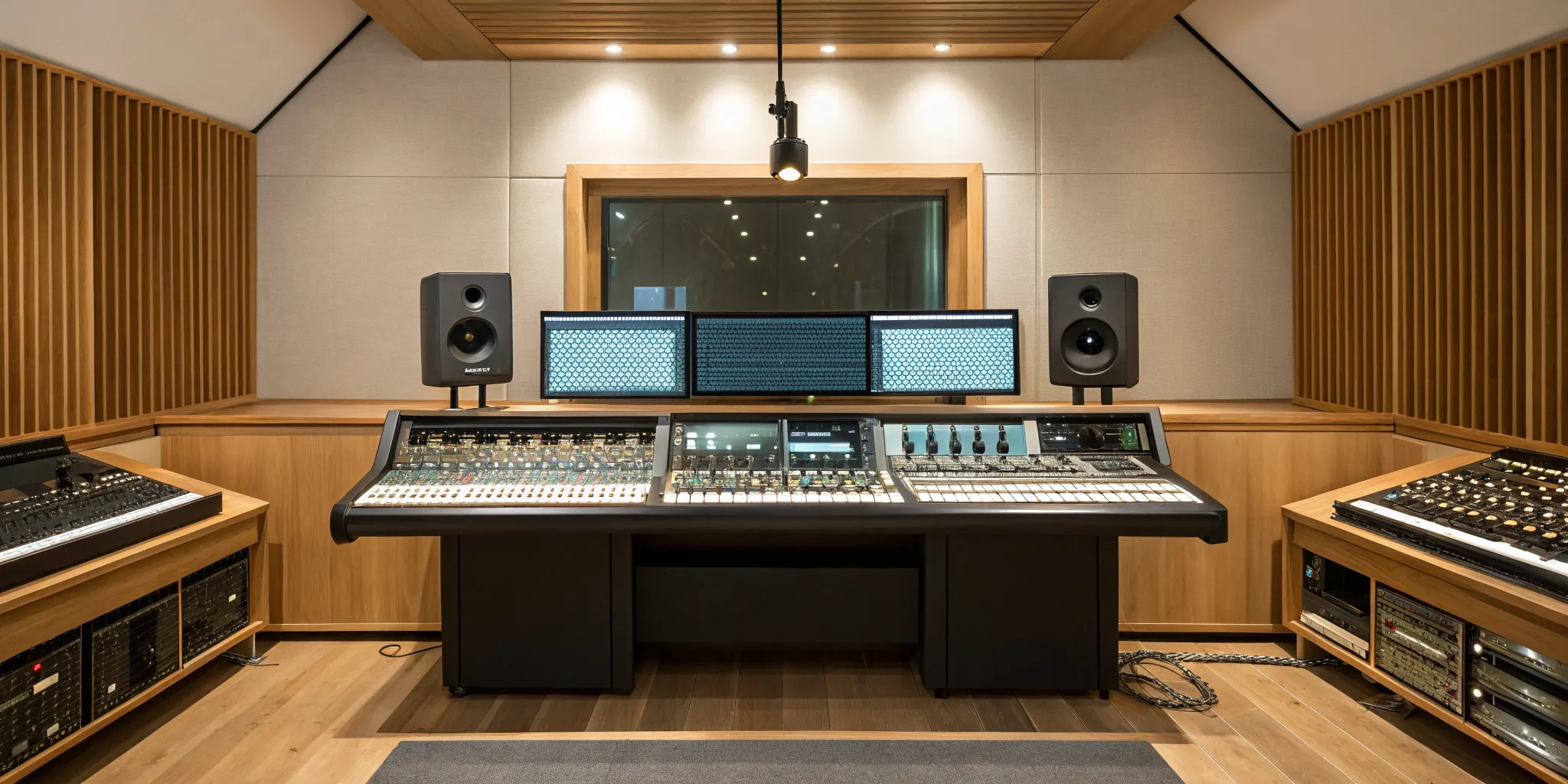
For many independent artists, the biggest hurdle isn’t creative, it’s financial. You want your music to sound as professional as possible, but you also have a budget to stick to. This often leads to the question: is mastering really worth the cost? The short answer is yes. Mastering is what ensures your music can compete on streaming platforms and sound great everywhere. The good news is that getting a professional sound doesn’t have to be expensive. From free online tools to affordable freelancers, there are options for every price point. We’ll explore the best audio mastering services across the entire cost spectrum.
Key Takeaways
- Match the service to your project: Use AI mastering for its speed and affordability on demos or tight deadlines. For a major release like an album, invest in a human engineer for their collaborative feedback and expert touch.
- Understand the cost before you commit: Mastering can range from free to over a hundred dollars per track. Budget-friendly AI is great for getting started, while investing in a professional engineer is a smart move for your most important releases.
- Test your master in the real world: A great master sounds good everywhere, not just in your studio. Before you approve the final version, listen to it on your phone, in your car, and on cheap earbuds to make sure it translates well for every listener.
What Should You Look for in an Audio Mastering Service?
Choosing a mastering service can feel like a huge decision, but it doesn’t have to be complicated. Think of it as finding the right partner to help you put the final, professional shine on your music. Before you commit, it helps to understand what mastering actually is, what features make a service stand out, and how pricing works across the board. Getting clear on these points will help you find the perfect fit for your sound and your budget.
What is Audio Mastering?
Mastering is the final step your track takes before it’s ready for the world. It’s the process of taking your final mix and making it sound clear, loud, and balanced across all kinds of speakers, from earbuds to club systems. A great mastering job ensures your music translates perfectly whether someone is streaming it from their phone or listening on a high-end stereo. This is where an experienced ear, whether human or AI, uses specialized tools to make subtle adjustments that bring your song to life. Once your track is mastered, it’s ready for music submission to platforms like ours.
Key Features of a Great Service
When you’re comparing services, a few key features can make a big difference in your final product. Look for a service that offers unlimited revisions, so you can tweak the sound until it’s exactly right. Another great feature is reference mastering, which allows you to upload a track you love so the service can match its sonic characteristics. If you’re working on an album or EP, find a service that provides album-level consistency to ensure all your tracks sound like they belong together. These tools give you more control and help you achieve a professional, cohesive sound.
How Are Mastering Services Priced?
Pricing for mastering can vary quite a bit, and it usually comes down to whether you’re using an AI service or a human engineer. AI mastering services are typically more affordable, often charging a small fee per track or offering a subscription model. For example, some services offer deals for around $49 per track. A human engineer will almost always cost more, but you’re paying for their years of experience and personalized feedback. While an AI can get you a great result quickly, a professional mastering engineer can often catch nuances that an algorithm might miss, making it a worthwhile investment for a major release.
Top AI-Powered Audio Mastering Services
AI mastering has completely changed the game for independent artists, offering a fast and affordable way to get your tracks ready for release. These services use intelligent algorithms to analyze your mix and apply professional-grade processing, giving your music the final polish it needs to compete on streaming platforms. Instead of waiting days or weeks for a human engineer, you can get a polished master back in minutes. This approach is perfect when you need to move quickly, work within a budget, or simply want more hands-on control over the final sound. Let’s look at some of the top players in the AI mastering space.
rBeatz: A Platform for Your Mastered Tracks
Once your track is perfectly polished and ready for the world, the next step is getting it heard. That’s where we come in. While rBeatz isn’t a mastering service, we are the destination for your finished music. Our platform is built to connect emerging artists with a global audience of dedicated music lovers. After you’ve used one of the great AI tools to finalize your sound, you can submit your music directly to us. We champion independent talent from Charlotte and around the world, offering a space for your mastered tracks to shine across our radio stations, playlists, and artist features.
LANDR: The AI Mastering Pioneer
If you’ve looked into AI mastering, you’ve probably heard of LANDR. It’s widely seen as an industry leader and is trusted by major labels and artists like Lady Gaga and Snoop Dogg. LANDR’s platform is powerful, using AI to deliver a professional sound that’s tailored to your specific track. It offers a comprehensive set of tools, including album mastering to ensure your project sounds cohesive from start to finish. You can also make unlimited revisions, which is a huge plus for getting the sound just right. Their AI mastering service is a go-to for a reason: it’s reliable, fast, and delivers consistently great results.
eMastered: For Easy Customization
For artists who want more creative input, eMastered is a fantastic option. It’s known for its user-friendly interface that gives you a surprising amount of control over the final master. You can adjust parameters like compression and stereo width to fine-tune the sound to your exact preference. One of its standout features is the ability to upload a reference track. If you love the sound of a particular song, you can ask the AI to match its sonic characteristics, which is an incredible tool for achieving a specific vibe. It’s a great balance of AI efficiency and manual control.
BandLab: Get Pro Results for Free
If you’re working with a tight budget or just need a quick master for a demo, BandLab is an amazing resource. It offers a completely free online audio mastering service that delivers impressive results instantly. You can choose from a few different mastering styles to find the one that best suits your track. While it may not have the deep customization options of paid services, it’s an incredibly valuable tool for producing high-quality masters for social media, SoundCloud, or for sharing with collaborators. For zero cost, the quality you get is hard to beat, making it a must-try for any new artist.
Professional Human Mastering Services to Consider
While AI mastering is a fantastic tool, sometimes a track needs a human touch. A professional mastering engineer brings years of experience, a trained ear, and the ability to offer creative feedback that an algorithm just can’t replicate. They can hear the nuances in your mix and make adjustments that align with your artistic vision. If you’re looking for that collaborative partnership or have a complex project, working with a person is often the best path forward. It’s an investment in your sound that can make a world of difference in the final product.
SoundBetter: Find Your Mastering Engineer
Think of SoundBetter as the ultimate directory for audio professionals. It’s a platform where you can hire top music professionals, including some of the best mastering engineers in the business. You can browse profiles, listen to samples of their work, and read reviews from other artists. The talent pool is impressive, featuring Grammy-winning engineers who have worked with major artists like Beyoncé and Taylor Swift. Whether you have a specific sound in mind or need guidance finding the right fit, SoundBetter makes it easy to connect with an expert who can help your music shine.
Masterchannel: For Boutique Quality
Masterchannel offers an interesting hybrid approach. It uses advanced AI designed to emulate the signal chains of acclaimed engineers, giving you a high-quality, commercial sound with a quick turnaround. But here’s the key difference: a human engineer reviews every master. This means you get the efficiency of AI with the quality assurance of a real person. If the engineer spots something that needs a minor tweak, they can make it. It’s a great middle-ground for artists who want a polished, professional result without the back-and-forth of a traditional mastering session.
Should You Hire a Freelancer or a Studio?
Deciding between a freelance engineer and an established mastering studio often comes down to your budget and how you like to work. Freelancers can offer more personalized attention and flexibility, making them a great choice if you want to build a relationship with your engineer. Studios, on the other hand, often have a reputation built on years of work and high-end equipment. Many artists prefer working with a human, whether freelance or studio-based, because they can provide valuable feedback on your mix before the mastering even begins. Once you have that final, polished version, you can submit your finished track with confidence.
AI vs. Human: Which Mastering Style is Right for You?
Deciding between an AI mastering service and a human engineer isn’t about which one is definitively better, but which one is right for your specific project. Both have a solid place in a modern musician’s toolkit, and the best choice often comes down to your budget, timeline, and creative goals. Think of it this way: AI offers incredible speed and accessibility, making professional-sounding masters available to everyone in minutes. It’s a powerful tool for getting your music out there quickly.
On the other hand, a human mastering engineer brings a level of nuance, experience, and collaboration that an algorithm can’t replicate. They offer a partnership, providing feedback and making creative choices that align with your artistic vision. Understanding the distinct advantages of each approach will help you make an informed decision for your music. Whether you’re quickly polishing a demo for feedback or putting the final touches on your debut album, knowing when to use which service is key. Let’s break down the scenarios where each one shines and clear up some common myths along the way.
When to Use AI Mastering
AI mastering is your best friend when convenience and speed are your top priorities. If you’re working against a tight deadline, need to get a demo sounding good for a collaborator, or simply don’t have the budget for a human engineer, an automated service is a fantastic option. It’s especially useful if you haven’t had time to learn the complex art of mastering yourself. AI platforms can take your mixed track and deliver a louder, clearer, and more balanced version in just a few minutes. This makes them perfect for getting a song ready for a quick music submission or for sharing on social media. While an AI can’t make subjective creative judgments, it provides a consistent and affordable way to get your tracks ready for listeners.
Why You Might Still Want a Human Engineer
Sometimes, a project calls for a human touch that technology can’t yet replicate. A professional mastering engineer does more than just process your audio; they listen deeply to understand the song’s emotional intent and sonic character. They use their trained ears and years of experience to make subtle, creative choices that enhance your music. A huge benefit is the collaborative process. An engineer can give you valuable feedback on your mix before they even begin mastering, helping you fix potential issues at the source. This partnership ensures the final master is not just technically perfect but also artistically powerful. For a major release like an EP or album, investing in an engineer often provides a level of quality and flexibility that makes all the difference. Many of the amazing artists we feature work with engineers to achieve their signature sound.
AI vs. Human: Busting Common Myths
Let’s clear up a few common misconceptions. First, there’s a myth that all AI mastering sounds robotic or generic. The reality is that many automated services have become incredibly advanced, with some earning high praise for their impressive sound quality. On the other side, many artists assume a human engineer is always too expensive. While top-tier engineers can be costly, there is a wide world of talented freelance engineers who offer services at various price points. The biggest myth is that you have to choose one and stick with it. Successful artists often use both. AI is a go-to for demos and works-in-progress, while a trusted engineer is brought in for official releases. The decision really boils down to whether you value a collaborative human touch or the speed of an automated service for a particular project. You can even hear producers debate these points on industry podcasts.
How Much Does Audio Mastering Actually Cost?
Let’s talk about one of the biggest questions every artist has: what’s this going to cost me? The price of audio mastering can range from completely free to several hundred dollars per track. The final cost depends on a few key factors, like whether you’re using an AI service or a human engineer, the engineer’s experience level, and how quickly you need the final track.
Think of it like this: you can get a quick, solid master for a demo or a more detailed, collaborative experience for your official album release. There’s no single right answer, and the best choice depends entirely on your project’s needs and your budget. Understanding the different pricing tiers will help you find the perfect fit for your music. Once your track is polished and ready, you can always submit your music to get it heard. Let’s break down what you can expect to pay.
Budget-Friendly Mastering (Under $15/Track)
If you’re just starting out or need a quick master for a demo, you don’t have to spend a lot. This price range is dominated by AI-powered services that deliver surprisingly good results almost instantly. For example, BandLab offers a free online mastering tool that’s perfect for getting your tracks ready for social media or for sharing with collaborators. These budget-friendly options are fantastic for experimenting with different sounds and getting a clean, loud master without any financial commitment. They provide a simple way to make your music sound more professional before you decide to invest more heavily in a track.
Mid-Range Mastering ($15-$50/Track)
This is the sweet spot for many independent artists who are ready to release their music on streaming platforms. In this range, you’ll find advanced AI services with more customization options, as well as some entry-level mastering engineers. Services like CloudBounce and eMastered offer affordable monthly subscriptions for unlimited songs, often falling between $18 and $24 per month. If you prefer a per-track rate, a service like Disc Makers offers professional mastering for around $49 per track. According to a review of online services, these platforms give you a great balance of quality, control, and cost, making them ideal for EPs and singles.
Investing in Premium Human Mastering ($50+/Track)
When your music is ready for a serious release, investing in a professional human engineer is often worth it. While AI is impressive, a human engineer brings a level of artistry, experience, and personalized feedback that an algorithm can’t replicate. They can hear the nuances in your mix and make creative decisions that align with your artistic vision. You can find talented engineers who charge anywhere from $50 to over $150 per track, depending on their reputation and studio. This is the best option for an album project where you need a cohesive sound across all the songs. It’s an investment in making your music sound its absolute best, just like the incredible artists we feature on rBeatz.
How Does User Experience Affect Your Choice?
The final sound quality of your master is obviously important, but the journey to get there matters just as much. User experience, or UX, is all about how you interact with a service. Is it intuitive and seamless, or clunky and confusing? A great user experience makes the technical process feel creative and empowering, while a poor one can leave you frustrated and second-guessing your choices. Your personal preference here is key. Are you someone who loves a simple, drag-and-drop interface that gets you a great result quickly, or do you prefer a detailed, collaborative conversation about your track’s dynamics with an expert?
AI mastering services often excel at providing a smooth, fast, and hands-off experience. You upload your track, pick a few settings, and get a finished product in minutes. This is perfect for artists who need a quick turnaround or want to test out different versions of a song. On the other hand, working with a human engineer is a completely different process. It’s a partnership built on communication and feedback. Neither approach is inherently better; they just serve different needs. Thinking about your own workflow and how you like to create will help you decide which path is right for you. After all, once your track is perfectly polished, you’ll want an easy way to get it heard, which is where platforms that support music submission come in.
Finding the Right Balance: Ease vs. Control
When choosing a mastering service, you’ll often find yourself weighing ease of use against creative control. AI platforms are typically designed for simplicity. Many artists love this because it lets them focus on the music, not the technical knobs and dials. For example, some services let you hear changes in real-time as you select basic settings, which makes the process incredibly straightforward.
However, what you gain in simplicity, you might lose in control. Many producers prefer working with human mastering engineers because they can give specific, creative feedback on the mix itself. It becomes a collaboration. You’re not just handing your track over to an algorithm; you’re working with an expert who can help you achieve a specific vision. The right choice depends on what you value more: a quick, effortless process or a hands-on, collaborative partnership.
Why Real-Time Feedback is a Game-Changer
Imagine tweaking a setting and hearing the result instantly. That’s real-time feedback, and it’s a massive advantage in the mastering process. It turns what could be a guessing game into an intuitive, creative session. When you can immediately hear how adjusting the loudness or EQ impacts your track, you can make better decisions with confidence. This is one area where the top AI services really shine, offering a dynamic and responsive user experience.
The alternative can be risky. Without clear feedback, you might get a master back that has technical flaws, like digital clipping or distortion on certain playback systems. This is why a human engineer’s feedback loop is so valuable. They’re trained to catch these issues and can explain what’s happening in your mix. Whether it’s automated or human, good feedback ensures your final master sounds great everywhere, not just in your headphones.
Which Customization Options Do You Really Need?
Customization is where you can truly shape the final character of your song. Some AI services offer fantastic options that give you a surprising amount of influence. For instance, you might be able to upload a reference track, and the AI will analyze its sonic profile to make your song sound similar. Other platforms let you choose between styles like “Warm,” “Open,” or “Punchy” to guide the process.
On the flip side, some automated services offer almost no options, which can feel limiting if you have a specific sound in mind. This is where you need to be honest with yourself. Do you want the ability to fine-tune every detail, or are you happy with a few well-designed presets? Having more control isn’t always better if you’re not sure how to use it. The goal is to find a service that gives you the right amount of creative input for your skill level and artistic goals, helping you sound like the featured artists you admire.
What About Turnaround Time and Support?
Beyond the final sound, the mastering process itself is a huge part of the experience. How quickly you get your track back and what kind of help is available can make or break your release schedule and your sanity. When you’re choosing a service, think about how much time you have and what level of support you’ll need if things don’t sound quite right on the first pass. The differences between AI and human services are especially clear here, so let’s get into what you can expect from each.
Speed vs. Quality: What’s the Trade-Off?
One of the biggest draws of AI mastering is speed. You can upload your track and have a mastered version ready in minutes. This is a lifesaver when you’re on a tight deadline or just excited to share your new music. AI services offer incredible convenience, especially if you don’t have the time to learn how to master your own music. However, this speed can sometimes come at the cost of nuance. A human engineer takes longer because they are listening critically, making bespoke adjustments, and using their experience to bring out the best in your track. The trade-off isn’t always about one being “better,” but about what you value most for a specific project: immediate results or a handcrafted touch.
How to Handle Revisions and Feedback
What happens if you’re not happy with the first master? This is where the revision process becomes critical. With most AI services, your options are limited to tweaking a few settings and running the track again. With a human engineer, it’s a conversation. You can give specific feedback, share reference tracks, and ask for changes until you’re happy with the sound. Many professional engineers and studios offer a set number of revisions or even unlimited revisions to ensure your song sounds perfect. This collaborative approach is invaluable for artists who have a very specific vision for their final product and want to be part of the process.
What Good Customer Support Looks Like
When you run into a technical issue or have a question about your master, good support is essential. For AI platforms, this usually means a help desk, email support, or a chat bot. For human mastering services, the support is often the engineer you’re working with directly. Platforms like SoundBetter also provide a safety net with dedicated human support teams you can contact if you need help. A human engineer is expected to deliver not just a high-quality master but also the flexibility and expertise to guide you through the final steps. Having an expert you can actually talk to provides peace of mind and often leads to a better final track.
How Can You Judge Mastering Quality?
So, you’ve got your mastered track back. Now what? Judging the quality of a master can feel subjective, but it’s about more than just turning up the volume. A great master ensures your music sounds polished, professional, and consistent everywhere it’s played. You don’t need to be a seasoned audio engineer to evaluate your track; you just need to know what to listen for. By checking a few technical standards and testing your track in different environments, you can confidently decide if the master is ready for release.
Key Technical Standards to Check
First, let’s talk about what makes a master technically sound. A good master should have a balanced frequency spectrum, meaning no single element like the bass or cymbals is overpowering the others. It should feel clear and wide, not muddy or cramped. Loudness is another key factor. Your track needs to be competitive with other commercial releases without sounding distorted or squashed. Professionals use loudness units (LUFS) to measure this, ensuring it meets the standards for streaming platforms. Listen for punch and dynamics; the quiet parts should feel intimate and the loud parts should hit with impact, not just be a wall of noise.
How to Test Your Mastered Tracks
The best way to test your master is to listen to it in the real world. Don’t just rely on your studio monitors. Play it on your laptop speakers, through cheap earbuds, in your car, and on a quality pair of headphones. Does the song hold up in each environment? A great master will translate well across all these systems. Next, compare it to a professionally released track in a similar genre. Pick a song you love from an artist on the rBeatz platform and A/B test it against your master. Listen closely to the overall volume, clarity, and low-end punch. This comparison will quickly reveal if your track is in the same league.
Use Free Trials to Compare Services
Before you spend any money, take advantage of free trials. Many AI services, like LANDR, offer a free mastering preview that lets you hear what their algorithm can do for your track. This is a no-risk way to compare different AI engines and see which one suits your sound best. You can even upload the same mix to multiple services and compare the results side-by-side. While AI is great for a quick test, remember that a human engineer can provide personalized feedback on your mix itself, helping you fix underlying issues before the mastering stage even begins. Some independent engineers may even offer a free sample edit, so it never hurts to ask.
Find the Right Mastering Service for Your Music
Choosing a mastering service isn’t about finding the single best option, it’s about finding the right fit for your project, your budget, and your goals. Whether you’re a solo artist polishing your first single or a seasoned pro producing a full-length album, your needs will be different. Think about where you are in your music career and what you want to achieve with your final track. This will help you decide between the speed of an AI service and the detailed touch of a human engineer. Let’s break down some great options based on what kind of artist you are.
Best for Indie Artists Finding Their Sound
If you’re an independent artist, you need a service that delivers a professional, polished sound without a huge price tag. Your focus is on making your music sound its best so it can compete on streaming platforms and catch the ear of new listeners. Services like Disc Makers’ SoundLAB offer a great balance of affordability and quality, giving your tracks the clarity and punch they need to stand out. The goal is to get a clean, release-ready master that represents your sound accurately. Once your track is perfected, you can share it with new audiences through our music submission portal.
Best for Established Artists Needing Consistency
When you’re working on an EP or a full album, consistency is key. You want every track to feel like it belongs to the same body of work, creating a seamless listening experience from start to finish. This is where AI-powered platforms can be incredibly effective. LANDR is a popular choice among established artists because it can master a whole album, ensuring all the songs have a cohesive volume and tonal balance. This saves you the time and potential variability of mastering each track individually, letting you focus on the creative flow of your project.
Best for Specific Music Genres
Different genres have unique sonic fingerprints. The heavy bass of a hip-hop track requires a different mastering approach than the delicate highs of an acoustic folk song. If your music fits into a specific niche, look for a service that understands its nuances. AI platforms like eMastered have earned praise for their genre-specific settings, allowing you to tailor the mastering process to styles like EDM, rock, or pop. These tools analyze your track and apply processing that complements the conventions of your genre, making them a great option for getting a tailored sound, especially if you’re working with a limited budget.
Related Articles
- Podcasts by rBeatz Guest Artists
- Live Music Producer Tips | rBeatz music streaming
- Andrew Kay: Emmy Award-Winner and CEO of SBP | rBeatz
- Brian Lafontaine: The voice behind the brand on Authentic Communication
Frequently Asked Questions
I’m on a tight budget. Is a free mastering service good enough for an official release? Free mastering tools are fantastic for getting demos to sound better or for sharing works-in-progress on social media. They provide a clean, loud result that can be very impressive for the cost. For an official release on major streaming platforms, however, you might find they lack the detailed control and nuance that paid AI services or a human engineer can provide. Think of free services as a great starting point, but consider a modest investment for the songs you plan to build your career on.
What is the real difference between mixing and mastering? It’s a common point of confusion, so let’s clear it up. Mixing is the process of balancing all the individual tracks in your song, like the vocals, drums, and guitars, so they work together as one cohesive piece. Mastering takes that single, final mixed file and applies a final polish. Its job is to make the song sound great on every possible sound system, from car stereos to phone speakers, and to ensure it meets the volume standards of streaming platforms.
If I use an AI service, will my music sound generic? This is a valid concern, but modern AI mastering has become quite sophisticated. These services don’t just apply a one-size-fits-all preset. Instead, their algorithms analyze the unique sonic characteristics of your specific track and make adjustments based on that data. Features like reference mastering, where you can upload a song you like the sound of, give you even more influence to ensure the final product reflects your personal style, not a generic template.
How should I prepare my audio file before sending it to a mastering service? To get the best results, you should export your final mix as a high-quality stereo file, like a WAV or AIFF. The most important step is to leave some headroom. This means your track’s loudest peaks should not be hitting the maximum level (0 dB). Aim for peaks around -3 to -6 dB. Also, make sure to remove any processing like limiters or compressors from your main output channel before you export. This gives the mastering process a clean slate to work with.
Can I just master my own music instead of using a service? You certainly can, but it’s a distinct skill that takes time and practice to develop. Professional mastering requires a deep understanding of audio processing, a room with accurate acoustics, and high-quality speakers so you can hear every detail. For many artists, it makes more sense to focus their energy on creating music and to trust the final technical polish to a service or engineer who specializes in that craft.