
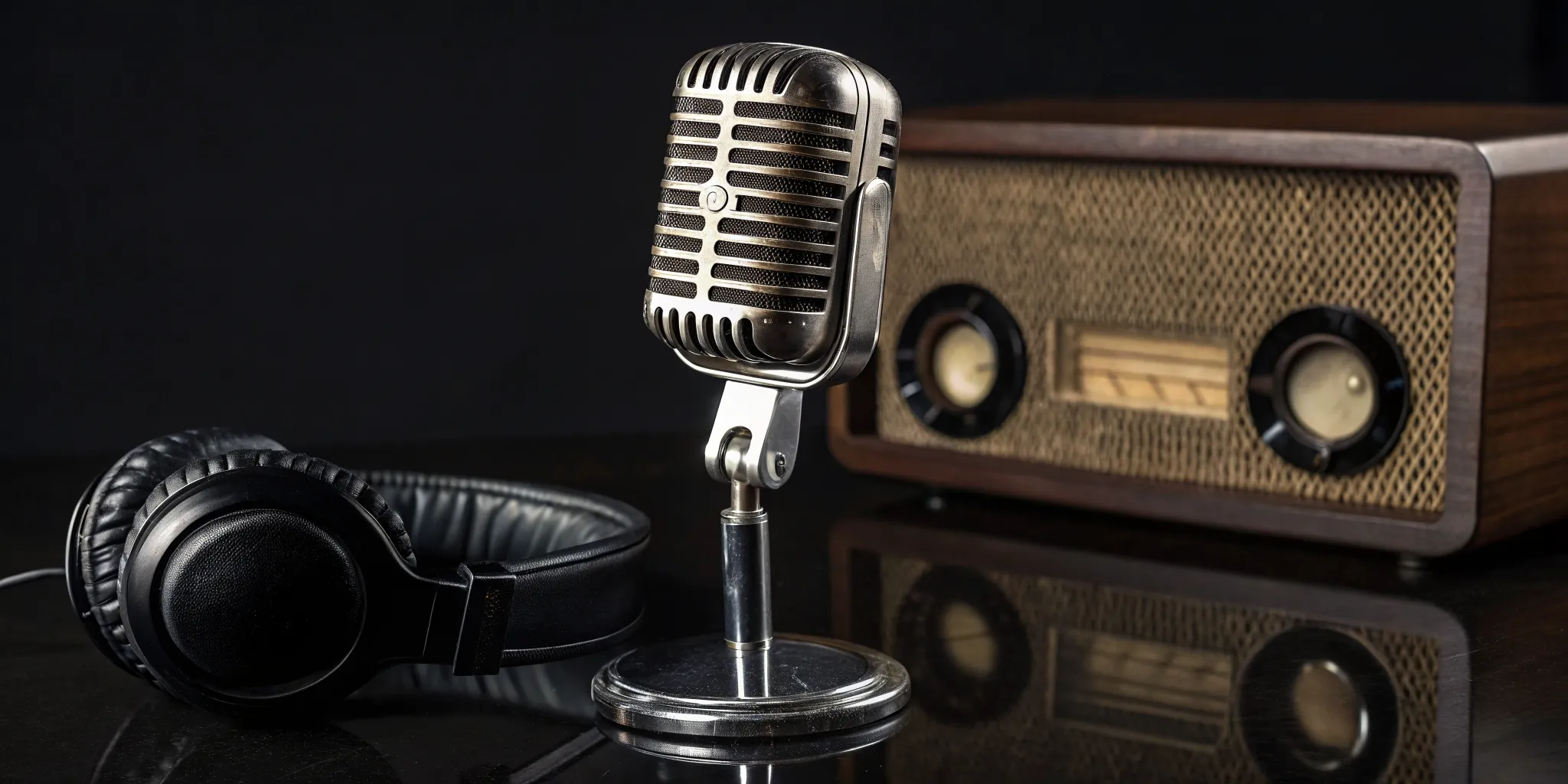
There’s a unique magic in knowing thousands of other people are hearing that same guitar solo at the exact same moment. It’s a shared experience your personal playlist just can’t replicate. This is the heart of what makes a great rock and roll radio station so special. It’s more than music; it’s a community built on a shared love for legendary riffs and timeless stories. While streaming can feel isolating, radio connects us. Let’s explore why that human connection matters and how you can find a station that feels like coming home.
Key Takeaways
- Prioritize human curation over algorithms: The best listening experience comes from stations where passionate DJs select the music, offering a more personal journey with deep cuts and stories behind the songs.
- Go beyond the greatest hits: A great classic rock station should introduce you to forgotten B-sides, live tracks, and hidden gems, turning your listening time into an act of discovery.
- Find a station that fits your lifestyle: Your ideal station should be easy to access on your preferred devices and offer a sense of community, connecting you with other fans who share your passion for the music.
What Makes a Great Rock and Roll Radio Station?
Have you ever found yourself switching stations, searching for that perfect classic rock vibe? It’s more than just hearing the same handful of hits on a loop. The best stations create an entire experience that keeps you tuned in. It really comes down to a combination of three key things: what they play, who is playing it, and the community they build around the music. When a station gets these elements right, it transforms from background noise into your go-to destination for great rock and roll.
Curated Playlists That Actually Surprise You
A truly great station offers more than just the hits. The best listening experience comes from stations that balance iconic anthems with deep cuts and live recordings. This creates a dynamic mix that keeps you engaged and excited for what’s next. Instead of hearing “Stairway to Heaven” for the tenth time this week, you might discover a rare B-side or a killer live version of a favorite track. This thoughtful curation turns listening into an act of discovery, reminding you why you fell in love with these bands in the first place. It’s the difference between a predictable playlist and a musical journey.
Hosts Who Genuinely Know Their Rock History
The right DJ can make a good station legendary. They’re more than just a voice between songs; they’re your guide, sharing stories, artist trivia, and a genuine passion for the music. A world-class airstaff freshens up the format with daily features and themed weekends that an algorithm could never replicate. They provide the context that makes the music even more meaningful, connecting you to the history and artistry behind the tracks. This human touch is what makes radio feel personal and alive, turning passive listening into an active, shared experience.
A Community of Fellow Rock Fans
The best classic rock stations feel like a club you belong to. They foster a sense of connection by creating opportunities for listener interaction, from call-in request hours to on-air shout-outs and contests. This focus on audience engagement strengthens the station’s identity and makes you feel like part of a larger family of fans. Hearing your own voice on the radio or connecting with others who share your passion for the music makes the experience more interactive and memorable. It’s this shared love for rock and roll that builds a loyal following and keeps listeners coming back.
The Best Classic Rock Stations to Listen to Now
Ready to find your go-to station? The world of classic rock radio is massive, with options ranging from global networks to niche internet streams. Whether you want to hear the hits or discover something new, there’s a perfect station waiting for you. Let’s look at a few of the best places to start your listening journey.
rBeatz Radio: Discover Your Next Favorite Classic
A great classic rock stream is your ticket to exploring a rich musical history, and that’s where we come in. The best listening experience balances iconic anthems with deep cuts and live recordings, creating a dynamic mix that keeps you engaged. Our own rBeatz Radio stream is built for discovery. We believe in going beyond the same 20 songs you always hear on repeat, digging deeper to share hidden gems, forgotten B-sides, and live tracks that made this era so special. It’s the perfect place to rediscover your favorites and find new ones along the way, all curated by people who love the music as much as you do.
ROQ Charlotte: Local and Global Rock
If you’re looking for a station with a strong local identity but a global sound, ROQ Charlotte is your destination. Based right here in Charlotte, NC, this station captures the spirit of a community rock station while broadcasting to fans everywhere. It’s where you’ll hear the anthems you know and love, but also discover deep cuts and local artists who are keeping the rock scene alive. The hosts bring that personal touch, making you feel like you’re part of a conversation, not just listening to a playlist. Tune into ROQ Charlotte to connect with a station that celebrates both legendary rock history and the vibrant music scene of today.
The Heavy Hitters: Big National Stations
Sometimes you just want the comfort of the classics, and that’s what the big national stations deliver. These broadcasters, like those powered by networks such as Westwood One, center their playlists on the greatest rock songs of the 70s and 80s, with a few tracks from the late 60s and early 90s. They keep things fresh with daily features, themed weekends, and professional DJs who know how to connect with a huge audience. While you might hear less variety, these stations are reliable, easy to find on the dial, and perfect for a singalong during your commute or a weekend barbecue.
AccuRadio
Hyper-Specific Channels for Every Taste
If you love variety and want to be in the driver’s seat of your listening experience, AccuRadio is a fantastic choice. It offers an incredible selection of channels, with nearly 100 dedicated specifically to classic rock. What really sets it apart is the ability to skip as many songs as you want, ensuring you only hear the tracks you’re in the mood for. This feature is perfect for those moments when you want to discover new classic rock songs without getting stuck on something you don’t like. It’s like having a massive record collection at your fingertips, letting you explore different subgenres and eras with complete freedom.
iHeart
Live Shows with On-Air Personalities
For those who miss the human touch of traditional radio, the iHeart platform is a great destination. It brings together live radio shows, podcasts, and curated playlists all in one place. The real magic comes from the on-air personalities who share stories and insights about the music, creating a much richer listening experience. This personal touch fosters a deeper connection with the songs and the artists behind them. Instead of just a stream of music, you get context and passion from people who genuinely love rock. It’s a modern way to enjoy the classic radio format you grew up with.
Rock n Roll Radio
Global Reach and Listener Interaction
If you want to feel like part of a worldwide community of rock fans, Rock n Roll Radio delivers. Streaming to over 200 countries, this station emphasizes listener interaction, making you feel like you’re part of the show. You can make song dedications and stay updated on rock music news, which creates a vibrant and engaging atmosphere. This focus on community builds a strong sense of belonging among listeners from all over the globe. It’s a great way to connect with other fans and share your passion for the music in a way that feels both global and personal.
Local Favorites Worth a Listen
If you’re looking for something different from what’s played on traditional radio, independent internet stations are a fantastic option. Many of these are passion projects, like Choice Classic Rock Radio, which offers a commercial-free stream curated by a true fan of the genre. You can also find stations that champion a local scene, giving you a taste of regional rock history. Here at rBeatz, we do just that with stations like ROQ Charlotte Radio, which mixes classic rock with the best of the city’s music scene, connecting you to both global legends and local heroes.
More Than Just Music: Extra Content on Rock Stations
A great rock station does more than just play songs; it builds a world around the music. It’s the place you go not just to listen, but to connect, learn, and stay updated. The best stations have evolved into multimedia hubs, offering everything from breaking news about your favorite bands to deep-dive podcasts that explore the stories behind the legends. This extra layer of content is what separates a simple playlist from a true listening experience. It’s about creating a community space where your passion for rock and roll can grow, fueled by news, discovery, and storytelling that brings you closer to the artists you love.
Rock News and Tour Updates
There’s nothing quite like the thrill of finding out your favorite band is coming to town. The best classic rock stations act as your direct line to the music scene, keeping you in the loop on everything that matters. Stations like Rock n Roll Radio provide timely information on tour announcements for icons like AC/DC and the Eagles, so you never miss a chance to see them live. This isn’t just about dates and venues; it’s about feeling connected to the artists’ journeys in real time. It transforms you from a passive listener into an active fan who’s part of the conversation, making the music feel more immediate and exciting.
Specialized Playlists
While the hits are great, the real magic often lies in the tracks you haven’t heard a thousand times. Stations that prioritize discovery understand this, curating specialized channels that go far beyond the mainstream. For example, AccuRadio offers a huge variety of channels dedicated to deep cuts, live tracks, and B-sides, turning your listening session into a treasure hunt. We embrace that same spirit of discovery here at rBeatz. Our stations, like the eclectic Bonfire Radio, are designed to surprise you, mixing timeless classics with hidden gems you’ll wonder how you ever lived without. It’s about celebrating the full breadth of an artist’s work, not just their most famous songs.
Rock-Themed Podcasts
If you’ve ever wanted to know the story behind a classic album or hear artists share their creative process, rock-themed podcasts are your new best friend. Many stations are expanding into audio storytelling, offering shows that add incredible depth to the music. The iHeart platform, for instance, hosts shows like the “Jim Kerr Rock & Roll Morning Show,” which blends music with fascinating trivia and artist interviews. This is exactly why we’ve built out a diverse collection of rBeatz Podcasts. We believe that understanding the context behind the music enriches the entire experience, creating a stronger connection between you, the songs, and the artists who made them.
From Band Deep Dives to Morning Shows
The world of rock podcasts is incredibly diverse. You can find shows that dedicate entire seasons to a single band, like “Get the Led Out,” which offers a comprehensive look at Led Zeppelin’s monumental legacy. These deep dives are perfect for fans who want to explore every corner of their favorite band’s history and discography. On the other end of the spectrum, you have morning shows that mix music with lighthearted banter, news, and interviews, becoming a part of your daily routine. This kind of content educates and entertains, making your listening time more fulfilling and helping you discover artists on a much deeper level.
How to Tune Into Classic Rock Radio
Finding your go-to classic rock station is easier than ever, whether you prefer the crackle of a traditional radio or the crystal-clear sound of digital streaming. You have plenty of options to get your daily dose of legendary riffs and iconic vocals, no matter where you are. Let’s walk through the best ways to tune in.
Go Old-School: Tuning In with FM/AM
There’s a certain magic to scanning the dial and landing on a great song. Traditional FM/AM radio is the original home of rock and roll, and it’s still a fantastic way to listen. Most cities have at least one station dedicated to classic rock, typically playing hits from the mid-1960s through the 1980s. It’s a simple, no-fuss method that connects you to a local community of listeners. Just turn on your car radio or home stereo system, find the right frequency, and let the DJ take it from there. It’s perfect for discovering what’s popular in your area and enjoying that shared, live listening experience.
Identifying Common Rock Frequencies
While there isn’t one universal frequency for classic rock, these stations often live in the same neighborhood on the FM dial. In the US, you’ll typically find them broadcasting between 92 and 107 MHz. Start scanning in that range and listen for those familiar opening riffs. Of course, every city’s radio landscape is unique, so what’s a rock station in one area might be something else entirely in the next. To make your search easier, you can use an online radio locator to see a list of all the rock stations broadcasting in your specific area. A little prep work can quickly connect you to your local rock community and that magic feeling of a shared listening experience.
Stream Anywhere with Online and Mobile Apps
If you want more control and variety, the internet is your best friend. You can stream countless classic rock stations from your computer or through mobile apps. Platforms like rBeatz offer curated stations that let you discover new gems alongside the timeless hits, all for free and without needing to log in. You can listen to our main rBeatz Radio stream or explore other dedicated channels. For even more options, some platforms offer a subscription service with hundreds of channels to explore. This flexibility means you can take your favorite music with you, whether you’re at the gym, in the office, or just relaxing at home.
Just Ask: Listening on Your Smart Speaker
Listening to music at home has become incredibly simple thanks to smart speakers. Devices like Amazon Alexa and Google Home put your favorite classic rock stations just a voice command away. Simply ask your device to play a classic rock station, and you’ll be instantly connected. It’s a hands-free way to fill your home with the sounds of Led Zeppelin, The Rolling Stones, and Queen while you’re cooking, cleaning, or working. Many smart speakers can connect to services like rBeatz, giving you easy access to high-quality, curated streams without ever lifting a finger. It’s the perfect blend of classic tunes and modern technology.
Why a Rock Radio Station Beats an Algorithm
In a world of endless streaming options, it’s easy to let an algorithm build a playlist for you. While convenient, these computer-generated lists often miss the mark, lacking the heart and soul that make music truly special. A great radio station, on the other hand, is so much more than a random sequence of songs. It’s a journey crafted by someone who lives and breathes the music, designed to surprise and delight you. Let’s explore why turning the dial on a radio station offers a richer experience than hitting shuffle on a standard playlist.
The Power of the Human Touch
A truly great classic rock radio stream is more than just a playlist; it’s a curated experience. Unlike an algorithm that picks songs based on data points and listening habits, a human DJ or music director brings passion, knowledge, and intuition to the table. They understand the flow of a set, knowing just when to play an upbeat anthem after a mellow ballad. This human touch creates a listening session that feels intentional and personal. It’s the difference between being served a meal by a machine and having a chef prepare a dish just for you, with every ingredient chosen for a reason.
Discovering Deep Cuts and Forgotten B-Sides
If you’re tired of hearing the same 40 classic rock hits on repeat, radio is your best friend. Algorithmic playlists tend to play it safe, sticking to the most popular tracks. But true music lovers know the real magic often lies in the deep cuts and B-sides. Radio curators love to dig through an artist’s entire catalog to find forgotten gems and almost-hits that you won’t hear anywhere else. This focus on discovery is what keeps listening exciting. Instead of predictability, you get the thrill of hearing a fantastic song for the first time, expanding your musical horizons with artists you already love on stations like rBeatz Radio.
Learn the Stories Behind the Songs
Have you ever wondered about the story behind “Stairway to Heaven” or the inspiration for “Bohemian Rhapsody”? Radio DJs often act as storytellers, sharing tidbits of music history, artist anecdotes, and behind-the-scenes details between songs. This context adds a whole new layer of appreciation to the music. It transforms passive listening into an active, engaging experience where you learn something new. Many stations are also expanding this storytelling into other formats, with rBeatz Podcasts offering even deeper dives into the lives and careers of your favorite musicians.
That Feeling of Hearing an Old Favorite
There’s a unique, communal feeling that comes from listening to the radio. Knowing that thousands of other people are hearing the same song at the same time creates a sense of shared experience that a personal playlist just can’t replicate. It can transport you back to a specific time and place, sparking memories and emotions. This powerful sense of nostalgia builds an incredibly loyal community around a station. It’s a format that attracts dedicated fans who share a deep connection to the music, creating a vibrant culture you can be a part of every time you tune in.
Should You Pay for Premium Radio?
So, you’ve found a few stations you love, but some of them are asking for a monthly subscription. This brings up the big question: is it worth paying for radio? The honest answer is, it depends entirely on your listening habits and what you value most in your music experience. Many incredible stations, including our own rBeatz Radio, are completely free to stream, offering expertly curated playlists without asking for a dime. The choice to pay often comes down to a trade-off between convenience and cost.
Premium services usually promise an ad-free experience, sometimes with higher audio quality and access to exclusive shows or features. On the other hand, the free radio landscape is vast and full of high-quality options that give you a fantastic listening experience supported by occasional ads. Before you pull out your credit card, it’s helpful to weigh the benefits of both. Think about how often you listen, how much commercial breaks bother you, and whether the exclusive content on offer is something you genuinely can’t live without. For many rock fans, the wealth of free music is more than enough to keep them happy. It’s about finding the right balance for your ears and your wallet, and there’s no single right answer for everyone.
Free vs. Paid: What’s the Difference?
The fundamental difference between free and paid radio is the business model. Free stations are typically supported by advertisers, meaning you’ll hear a commercial break every so often. Paid services charge a subscription fee, which removes the ads. But don’t mistake “free” for “lower quality.” A truly great classic rock radio stream is defined by its music selection and passion, not its price tag. Many free internet stations are passion projects run by music lovers who focus on creating the perfect mix of iconic hits and deep cuts. The best listening experience comes from a station that keeps you engaged, and you can find that on both free and paid platforms.
The Perks: Ad-Free Listening and Higher Quality
The most common reason people pay for a radio subscription is to get rid of commercials. There’s nothing quite like an ad for a used car dealership cutting in right before the guitar solo in “Stairway to Heaven.” Paying for a service ensures a continuous, uninterrupted stream of music, which is a huge plus if you use radio for focused work or hosting a party. Beyond ads, some premium services also offer higher-fidelity audio streams. For the average listener using standard earbuds, the difference might not be noticeable. But if you’re an audiophile with a high-end sound system, the crisper, richer sound of a premium stream can be a major draw.
Is Exclusive Content Worth It?
Another perk of paid subscriptions is access to content you can’t get anywhere else. This can include special shows hosted by famous musicians, early access to new releases, or entire channels dedicated to niche subgenres. Some services let you listen to on-demand playlists and mix shows that are otherwise locked. This is a great feature for super-fans who want to go deeper than the standard radio rotation. However, it’s worth noting that many platforms provide amazing free content as well. For instance, you can find tons of in-depth artist features and interviews on sites like ours, giving you a closer look at the music without a paywall.
What Keeps Us Coming Back to Rock Radio?
There’s a certain magic to classic rock radio that a simple playlist can’t replicate. It’s a shared cultural touchstone, a reliable source of incredible music, and a community all rolled into one. While algorithms can guess what you might like, they can’t capture the human element that makes radio so special. It’s the feeling of a DJ introducing a deep cut you haven’t heard in years, the collective energy of knowing thousands of others are listening to the same guitar solo at the same moment, and the simple joy of having a trusted source for quality tunes. It’s a format that has not only survived but thrived by blending timeless music with modern ways to connect with its audience.
The Comfort of a Consistently Great Playlist
Sometimes, you just want to turn on the radio and know you’re going to hear a great song. Classic rock stations offer that in spades. They provide a dependable listening experience, built around the iconic blues rock and hard rock that defined the 1970s and 1980s. This isn’t about hearing the same five songs on repeat; it’s about trusting that the playlist is filled with quality, from stadium anthems to soulful ballads. This consistency creates a sense of comfort, like catching up with an old friend. You can tune into a station like ROQ Charlotte Radio and settle in, confident that you’re in for a solid block of timeless music.
A Shared Listening Experience
Listening to classic rock radio makes you feel like you’re part of a club. The genre attracts a dedicated audience that shares a deep appreciation for the artists and their stories. This creates a powerful sense of community. Whether you’re singing along in your car during rush hour or listening at work, you know you’re not alone. You’re sharing that moment with countless other fans who get it. This collective experience turns passive listening into an active connection, uniting people over their love for legendary riffs and unforgettable lyrics. It’s a bond that strengthens the more you discover new artists and share those finds with others.
Specialty Shows for Every Kind of Rock Fan
A great classic rock station offers more than just a stream of songs. It keeps things fresh with special programming that caters to every kind of fan. You’ll often find daily segments, themed weekends celebrating a specific band, or shows dedicated to a particular mood, like laid-back Sunday morning rock. These curated experiences provide a much richer journey through the genre. Programs like the rBeatz Podcasts give you unique insights and entertainment that go beyond the music itself, offering a deeper look into the culture and stories that make classic rock so enduring. It’s this variety that keeps you coming back for more.
Connecting with Fellow Listeners on Air
Modern classic rock radio is a two-way street. Long gone are the days when you could only listen without interacting. Today’s stations have embraced new ways for fans to get involved, creating a dynamic platform where your voice can be heard. Many stations feature listener call-ins, song requests, and even podcasts that include fan stories and experiences. This interactivity makes the listening experience feel more personal and collaborative. It’s a space where you can share your thoughts on the music you love and hear from others who are just as passionate, truly making you part of the show.
How to Find Your Perfect Rock and Roll Radio Station
With so many options out there, finding your go-to classic rock station can feel like searching for a needle in a haystack. The perfect station is one that feels like it was made just for you. It’s about more than just hitting play; it’s about finding a sound, a vibe, and a community that resonates with you. Think about what you really want from your listening experience. Are you looking to relive the glory days of a specific decade, or do you want a station that’s easy to tune into on your morning commute? Let’s walk through a few things to consider to help you find your perfect match.
What’s Your Favorite Era of Rock?
The term “classic rock” covers a lot of ground, from the psychedelic sounds of the late ’60s to the grunge anthems of the early ’90s. Do you find yourself drawn to the epic guitar solos of the ’70s, or are you more into the polished production of ’80s arena rock? A truly great classic rock radio stream is your ticket to exploring this rich musical history. The best stations often specialize, so look for one that aligns with your taste. Some focus on deep cuts and live recordings, while others stick to the chart-toppers. By identifying your favorite era or subgenre, you can narrow your search and find a station that consistently plays the music you love.
Exploring Different Rock Subgenres
Classic rock is a huge umbrella covering everything from the blues-infused riffs of the late ’60s to the polished sound of ’80s arena rock. Maybe you’re all about the raw energy of hard rock bands like AC/DC and Led Zeppelin, or perhaps you prefer the more experimental, psychedelic sounds of Pink Floyd. Identifying which subgenres you connect with most will help you find a station that feels like home. Many stations specialize in a particular flavor of rock, so if you know what you’re looking for, you can find a stream that consistently delivers. The best listening experience comes from stations that balance iconic anthems with deep cuts, creating a dynamic mix that keeps you engaged and excited for what’s next.
Choose a Station You Can Easily Access
The best radio station in the world doesn’t do you any good if you can’t listen to it easily. Your ideal station should fit seamlessly into your life, whether you’re at your desk, on a run, or making dinner. Access should be simple. Look for stations that offer high-quality, uninterrupted streaming across multiple platforms. An app makes it easy to take your favorite music with you, or you can listen on rBeatz right from your browser. The less friction there is between you and the music, the more you’ll enjoy it.
Look for DJs You Genuinely Enjoy
Music is the heart of any radio station, but the DJs are its soul. A great host does more than just announce the next song; they share stories, offer context, and create a sense of community. Think about the shows you’ve loved in the past. What made them special? It was likely a host you felt a connection with. The best stations are often freshened up by daily features, themed weekends, and a world-class airstaff. These personalities can introduce you to your next favorite band or share a behind-the-scenes story that gives a classic song new meaning. Finding hosts you enjoy can turn passive listening into an engaging experience.
Ready to Find Your New Favorite Station?
Alright, you’re ready to find your go-to station. Think of this as the fun part, where you get to explore and land on the perfect soundtrack for your day. Getting started is simple. It’s all about picking a way to listen that fits your life and then spending a little time sampling what’s out there. Don’t just settle for the first station you find; the right one will feel like it was curated just for you. Let’s walk through how to begin.
First, Pick How You’ll Listen
First, decide how you want to tune in. While you can still find classic rock on the FM dial, a great classic rock radio stream is your ticket to a richer musical history. Online stations and apps give you access to a world of music right from your phone or computer. This method is perfect for discovering a dynamic mix of iconic anthems and surprising deep cuts that you won’t hear anywhere else. The best listening experience comes from a platform that makes it easy to tune in, whether you’re working at your desk or running errands.
Then, Sample a Few Stations to Find “The One”
Once you know how you’ll listen, it’s time to station-hop. Every classic rock station has its own unique flavor. Some focus heavily on the biggest hits of the 70s and 80s, while others make a point to include tracks from the late 60s or early 90s. You might find a station that prides itself on being commercial-free or one with DJs who share incredible stories. Spend an afternoon with a few different options. You can discover new music and find a station whose personality and playlist truly connect with you. Your perfect station is out there waiting.
Related Articles
- Top 10 Traffic Songs from the Legendary Rock Band | rBeatz
- Explore ROQ Charlotte Watchlist Artists from July | rBeatz
- 20 of the Best Road Trip Songs of All Time | rBeatz
- Top 100 Greatest Alternative Rock Bands of All Time | rBeatz
- The Greatest Guitar Solos of all time | rBeatz digital radio
Frequently Asked Questions
What’s the real difference between classic rock stations? Don’t they all play the same songs? While you’ll hear many of the same legendary bands, the experience can be completely different. Some stations focus strictly on the biggest hits from the 70s and 80s. Others, like our own rBeatz Radio, make a point to include deep cuts, live versions, and B-sides to create a more surprising listen. The station’s personality, shaped by its DJs and programming, is what truly sets it apart and helps you find a vibe that feels like home.
I’m tired of the hits. How can I find stations that play deeper cuts? Your best bet is to explore independent internet radio stations. These are often passion projects run by true music lovers who enjoy digging through an artist’s entire catalog. They get tired of the same 40 songs, too. Look for stations that advertise a focus on “deep cuts” or a larger music library. This is where you’ll discover those forgotten gems and expand your appreciation for your favorite bands.
Is it actually worth paying for a premium radio service? This really comes down to your personal preference. If you absolutely cannot stand commercial interruptions or you’re an audiophile with a high-end sound system, a subscription might be a good fit for you. However, there are countless high-quality, free radio streams available that offer incredible music curation. I’d suggest trying out some free options first; you might find they give you everything you need without costing a cent.
What’s the easiest way to listen if I don’t have a traditional radio? The quickest way to start listening is right from your computer or smartphone. Most modern radio stations have a website where you can stream directly from your browser, and many also offer a dedicated mobile app. This gives you access to a world of music instantly, allowing you to tune in at your desk, in the car, or anywhere you have an internet connection.
Why is a human DJ so important when an algorithm can just make a playlist for me? An algorithm can serve you songs based on data, but a great DJ serves you a musical experience. They are storytellers who provide context, share interesting facts, and create a flow that feels intentional and personal. That human touch, the passion for the music that you can hear in their voice, is what turns listening into a shared, engaging event rather than just background noise.