La Casa de la Cultura and preserving connection across diasporas
Afro-Latinidad, heritage, and the power of cultural identity
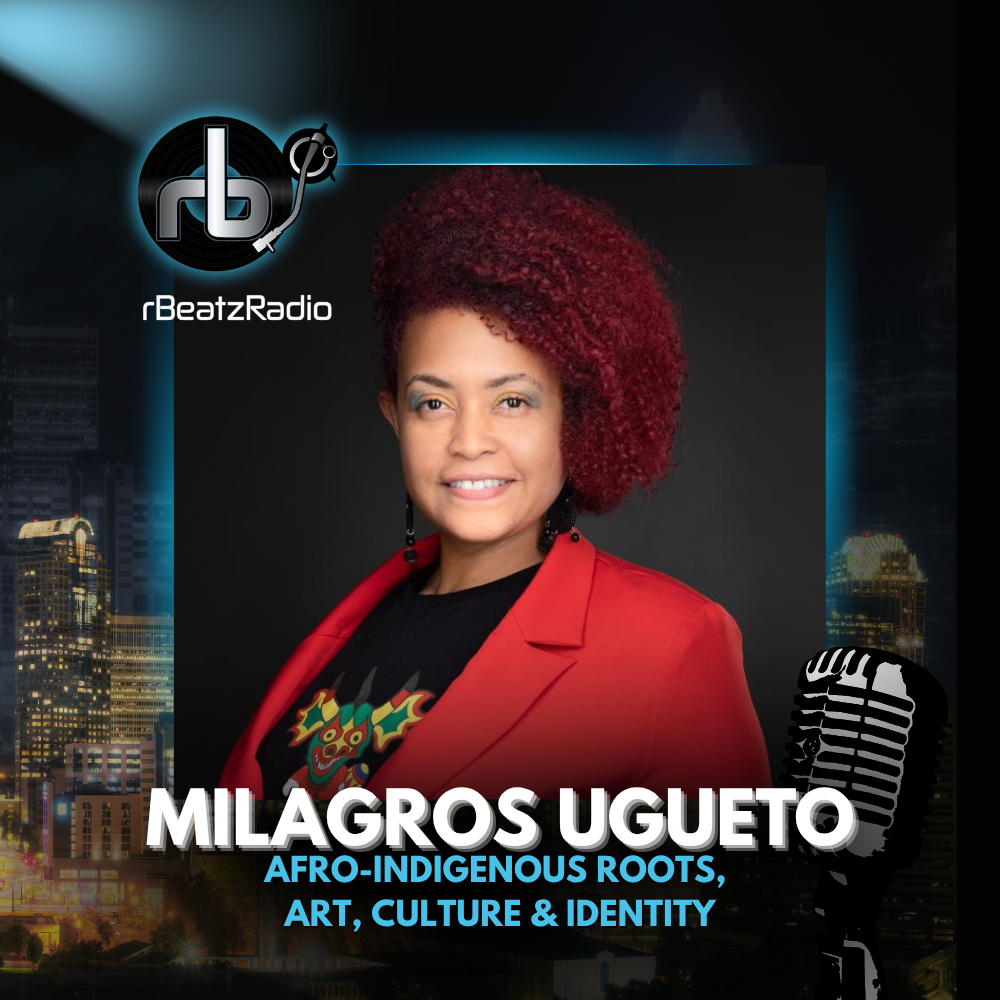
Milagros Ugueto de Sanchez
Key Takeaways
- Culture creates belonging and helps people better understand themselves and others.
- Education becomes more powerful when students see their own history reflected in the classroom.
- Immigration journeys often require resilience, adaptability, and hope.
- Charlotte continues to grow as one of America’s most diverse cultural communities.
- La Casa de la Cultura exists to amplify voices from every culture—not just one community.
- Artists should develop business, networking, and storytelling skills alongside their creative talents.
- Collaboration between cultures produces stronger communities and new artistic expression.
- Preserving traditions allows future generations to remain connected to their heritage.
- Community service can take many forms, including art, education, and cultural programming.
- Success is measured not only by personal achievement, but by the opportunities created for others.
Oui Talk Raw with Milagros Ugueto: Building Bridges Through Art, Culture, and Community
When host Terry Hudson sits down with Milagros “Mila” Ugueto, the conversation quickly becomes more than an interview—it becomes a heartfelt discussion about identity, education, community, and the power of culture to unite people. Throughout this episode of Oui Talk Raw on rBeatz.com, Terry’s curiosity and enthusiasm perfectly complement Mila’s thoughtful storytelling and passion for preserving history while creating opportunities for others.
From her roots in Venezuela to becoming an award-winning educator and cultural leader in Charlotte, North Carolina, Mila shares how every chapter of her life has shaped her mission to help people embrace their heritage while celebrating the diversity around them.
Why Culture Matters More Than Ever
Culture isn’t simply about traditions—it’s about belonging.
Mila explains how growing up between rural and urban Venezuela gave her a unique appreciation for both community and education. Those experiences continue to influence her work as an educator, artist, and nonprofit leader.
As an award-winning teacher, she believes students should first understand where they come from before they can confidently embrace where they’re going. By incorporating history, ancestry, music, and storytelling into her classroom, she encourages young people to celebrate their identities while respecting those of others.
“I am a teacher. I’m an educator. I do perform and I bring history through what I do in my classroom, in my community, everywhere.”
Teaching Beyond the Classroom
Throughout the conversation, Terry highlights something many viewers already know about Mila—she doesn’t stop teaching when the school day ends.
Whether she’s organizing cultural festivals, mentoring artists, producing community workshops, or helping young people find pride in their heritage, education remains at the center of everything she does.
Rather than simply preserving traditions, Mila focuses on creating spaces where new generations can experience culture firsthand.
A Journey Across Borders
The episode explores Mila’s immigration journey from Venezuela to Ecuador before eventually settling in Charlotte.
Instead of presenting immigration as a single life-changing event, Mila describes it as a series of decisions fueled by hope, resilience, and determination. Teaching remained her constant passion despite the challenges of relocating, securing documents, and starting over.
Her story illustrates that success is often built through persistence rather than perfect circumstances.
Charlotte’s Growing Cultural Landscape
One of the strongest themes throughout the interview is Charlotte’s transformation into an international city.
Terry and Mila discuss how artists, entrepreneurs, educators, and community leaders are helping shape a city where cultures intersect daily.
Rather than viewing diversity as something to accommodate, Mila sees it as Charlotte’s greatest strength.
La Casa de la Cultura: A Home for Everyone
Mila shares the vision behind La Casa de la Cultura, the nonprofit she co-founded with her husband.
Although many initially assumed it would only serve Hispanic communities, the organization’s mission is intentionally broader.
Its goal is to provide a platform where people from every background can share their traditions, art, music, dance, and stories.
Whether partnering with Haitian instructors, Asian artists, Indigenous performers, or multicultural organizations, La Casa de la Cultura creates opportunities for collaboration that celebrate shared humanity.
Art as a Tool for Community Building
Throughout the discussion, Terry continually emphasizes that artists must learn both creativity and leadership.
Together, they explore the importance of:
- Grant writing
- Community partnerships
- Storytelling
- Networking
- Leadership development
- Marketing artistic work
Rather than waiting to be discovered, artists are encouraged to actively build relationships and understand the communities they hope to serve.
For Mila, art becomes meaningful when it creates connection—not simply performance.
Preserving Heritage While Embracing Others
One of the most compelling portions of the interview centers around Mila’s Afro-Indigenous identity.
She reflects on researching her ancestry, honoring the stories of her parents and grandparents, and helping students understand the many cultural influences that shape Latin America.
Instead of limiting identity to labels, she encourages people to appreciate the rich histories that connect communities across continents.
Her passion for preserving traditions is balanced by an equally strong commitment to learning from others.
Responding to Crisis Through Creativity
Following the devastating earthquakes in Venezuela, Mila and her community responded in a way that reflected their strengths.
Instead of traditional fundraising alone, artists donated artwork, organized cultural events, and hosted creative experiences that generated thousands of dollars in aid.
The effort demonstrated how art can provide both practical support and emotional healing during times of crisis.
Success Looks Different Today
Near the end of the episode, Terry asks how Mila defines success today compared to ten years ago.
Her answer reflects the heart of the entire conversation.
Rather than measuring success through money or possessions, she now measures it by how many people she can bring together, empower, and inspire.
“Success for me is bringing more people together.”
That philosophy perfectly captures the spirit of both Mila’s work and Terry’s interview style—celebrating people, creating conversations, and building community one story at a time.
Final Thoughts
This episode of Oui Talk Raw showcases an inspiring conversation between Terry Hudson and Milagros Ugueto that blends personal storytelling with practical wisdom. Their discussion reminds listeners that culture is more than history—it’s a living bridge connecting generations, communities, and people from every walk of life. Through education, art, and intentional collaboration, Mila continues to demonstrate that celebrating differences is one of the strongest ways to build lasting unity.
More Artists and Show Episodes