
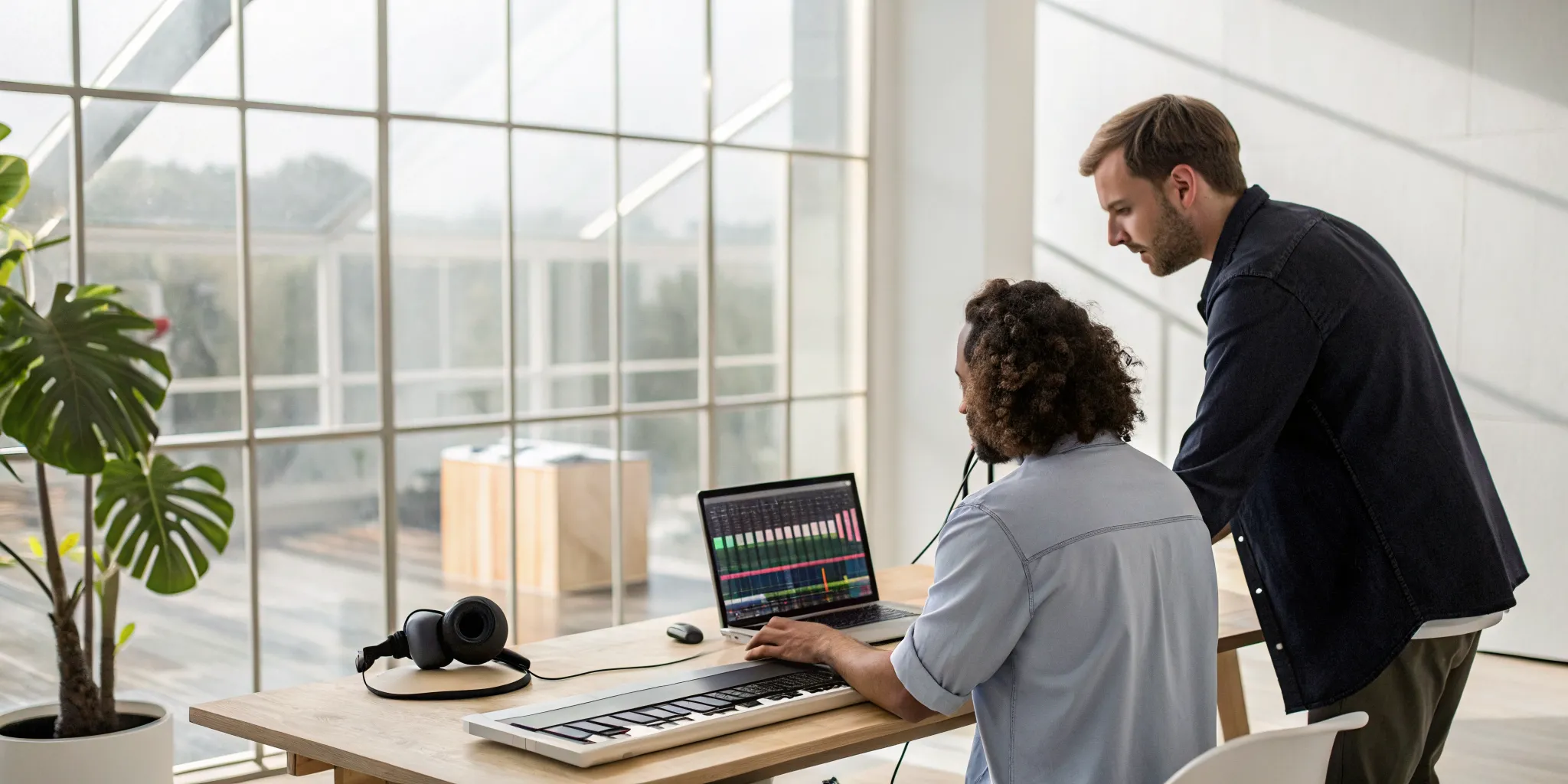
Songwriting can be a solitary act, but bringing a song to life is often a collaboration. Finding the right producer is like adding a temporary, but essential, member to your band. This person is more than a technician; they are your creative partner, someone who understands your vision and has the skills to help you realize it. The right partnership can make all the difference, pushing your song to its full potential. This guide is all about helping you find that perfect match. We’ll cover how to vet potential partners, what to look for in a portfolio, and how to navigate the different music production services for independent artists to find a collaborator who will champion your sound.
Key Takeaways
- Define your production needs first: Before deciding between DIY or hiring a pro, get clear on your goals, budget, and current skills. This helps you determine if you need a full-service producer for a radio-ready single or if you can handle production yourself to develop your sound.
- Find a true creative partner: The right producer is more than a technician; they are a collaborator. Check their portfolio for genre fit, have a real conversation about your vision, and always get a contract that details rights, revisions, and costs to protect your work.
- Plan your release beyond the studio: Finishing your song is only half the work, so have a plan to get it heard. Use a distribution service to get your music on major streaming platforms, then submit your polished track to discovery platforms and radio stations to find new listeners.
What Are Music Production Services?
Think of music production services as the entire toolkit you need to take a song from a simple idea to a polished track ready for the world to hear. It’s so much more than just hitting the record button in a studio. A great producer acts as your creative partner and project manager, guiding your song through several key stages to ensure it reaches its full potential. These services are what bridge the gap between a bedroom demo and a radio-ready single that can stand up against major label releases.
Understanding these services helps you figure out what kind of support you need and where to invest your budget. Some producers offer all-in-one packages, while others provide services à la carte, letting you pick and choose what you need. You might be a fantastic songwriter who just needs help with the technical side of recording and mixing, or maybe you have a great voice but need a hand with arranging your music. Whether you have a finished song that needs a final polish or just a melody you hummed into your phone, there’s a production service that can help bring your vision to life. It’s all about finding the right collaborator to help you create the best possible version of your art.
Recording
This is the foundation of your track. The recording phase is all about capturing the best possible audio performance, whether it’s your vocals, a guitar riff, or a full drum kit. A producer is invaluable here, not just for their technical skills with microphones and software, but for their ability to create a comfortable environment that helps you deliver your best take. They act as a coach, pushing you to nail that perfect vocal line or intricate solo. Many producers also offer to hire live musicians if your song needs a string section or a session drummer, ensuring every element is recorded cleanly for a smooth production process.
Mixing and Mastering
Mixing and mastering are the final, critical steps that give your song its professional sheen. During mixing, a producer or engineer takes all the individual recorded tracks and balances them so they work together harmoniously. They adjust levels, pan instruments, and add effects to create a cohesive and dynamic soundscape. Mastering is the final polish applied to the complete mixed track. It ensures the song sounds great across all listening devices, from earbuds to car stereos, and meets the volume standards for streaming platforms. Understanding the costs associated with these steps is key to mastering your budget and your sound.
Songwriting and Arrangement
If you have a great idea but are struggling with the structure or lyrics, a producer can step in as a co-writer or arranger. This service is all about shaping your initial concept into a compelling song. A producer can help you refine your melody, tighten your chord progression, and decide on the song’s structure, like where the verse, chorus, and bridge should go. They bring a fresh perspective and a deep understanding of what makes a song connect with listeners. This collaborative process can turn your ideas into a fully realized piece of music with a clear beginning, middle, and end.
Distribution and Promotion
Once your song is recorded, mixed, and mastered, the final step is getting it to your audience. While some producers focus only on the creative side, many full-service professionals also offer help with distribution and promotion. This can involve getting your music onto major streaming platforms like Spotify and Apple Music. Building an effective promotion budget is crucial for reaching real listeners instead of bots. After all your hard work, you want to make sure people can find and hear your music, which is why you should also plan your music submission strategy to platforms dedicated to artist discovery.
DIY or Pro Production: Which Is Right for You?
Deciding between producing your music yourself or hiring a professional is one of the biggest choices you’ll make as an independent artist. There’s no single right answer; it all comes down to your unique combination of budget, timeline, skills, and goals. Going the DIY route gives you complete creative control and can be an incredibly rewarding process that teaches you the ins and outs of making a record. You get to shape every single sound from start to finish.
On the other hand, working with a pro can bring a level of polish and industry insight that’s hard to achieve on your own, especially when you’re just starting. A great producer acts as a collaborator, helping you realize your vision while handling the technical details. They can push your creativity and help your music connect with a wider audience. To figure out the best path for your next project, let’s break down the key factors you should consider.
Consider Sound Quality and Expertise
The most obvious difference between DIY and professional production is the final sound quality. With today’s technology, it’s entirely possible to create professional-sounding tracks right from your bedroom. If you have a good ear, a solid understanding of recording and mixing, and are willing to put in the hours to learn, you can produce incredible music on your own terms.
However, a professional producer brings years of experience and a trained ear to the table. They know how to get the best performance out of you, fix subtle issues you might not even notice, and apply that final polish that makes a track radio-ready. If your goal is a broadcast-quality single that can compete with major label releases, a producer’s expertise is often a worthwhile investment.
Weigh Your Time vs. Creative Focus
Producing your own music means you’re not just the artist; you’re also the engineer, mixer, and project manager. This can be a fantastic learning experience, but it’s also a massive time commitment. Every hour you spend troubleshooting a technical issue or watching a mixing tutorial is an hour you’re not writing your next song or practicing your instrument.
Hiring a producer allows you to offload the technical work and focus entirely on your creative vision and performance. Understanding where your resources are going is key to making informed decisions, and your time is one of your most valuable assets. If you’d rather spend your energy on the art itself, bringing in a pro can be a game-changer.
Think About Your Career Goals
Your production choice should align with your long-term ambitions. If you’re just starting out, developing your sound, or creating demos, DIY production is a perfect fit. It allows you to experiment freely without a big financial investment. But as an independent artist, you’re also a small business owner who needs to think strategically about every move.
If you’re aiming for major playlist placements, pitching to labels, or seeking radio airplay, a professionally produced track is practically a requirement. The producer’s experience and reputation can lend credibility to your project and help it stand out in a crowded market. Investing in professional production signals to the industry that you’re serious about your career and ready to compete at a higher level.
Meet the Music Production Pros
Once you decide to work with a professional, you’ll find there are several different paths you can take. The right choice depends on your specific needs, your budget, and how hands-on you want to be. Think of it like building a team for your sound. You can hire an all-in-one crew that handles everything, or you can bring in specialized experts for specific jobs. Let’s look at the main types of production pros you can partner with to bring your music to life.
Full-Service Production Houses
If you’re looking for a comprehensive, guided experience, a full-service production house is an excellent option. These are one-stop shops that offer a complete range of services, including recording, mixing, and mastering, all under one roof. This approach is perfect for artists who want a cohesive team managing their project from start to finish, ensuring a consistent and polished final product. Production houses like Lion Bold are set up specifically to support independent artists, providing the structure and expertise needed to turn a raw idea into a radio-ready track.
Freelance Producers
Working with a freelance producer offers incredible flexibility. Freelancers are independent professionals you can hire for specific tasks, which is ideal if you don’t need a full-service package. You might find a producer who specializes in your exact genre, or one who is amazing at songwriting, arranging music, or mixing. This à la carte approach allows you to assemble your own dream team. You can find the right fit for your project by hiring different experts for different stages, giving you more creative control over the final sound.
Online Production Platforms
Finding the right producer used to rely heavily on local connections, but online platforms have changed the game. Websites like SoundBetter and AirGigs act as global marketplaces, connecting independent artists with thousands of vetted music professionals from around the world. You can browse profiles, listen to past work, read reviews, and hire a producer who understands your vision, no matter where you live. These platforms make it easier than ever to access top-tier talent and find someone who can help you create your next hit song.
Music Distribution Services
After your track is mixed and mastered, the final step is getting it out into the world. This is where music distribution services come in. These companies act as the bridge between you and major streaming platforms. Services recommended in Spotify’s provider directory help you upload your music to Spotify, Apple Music, and other stores so listeners can find it. Getting your distribution in order is also a key step before you submit your music to radio stations and discovery platforms like ours.
How to Choose the Right Music Producer
Finding the right music producer is one of the most important creative partnerships you’ll form. This person doesn’t just press record; they help shape your sound, guide your performance, and turn your raw ideas into a finished track. The right producer can make all the difference, so it’s worth taking the time to find someone who truly gets your vision. Think of it as adding a temporary member to your band. You want someone whose skills, style, and personality all click with yours. A great producer-artist relationship is built on trust and shared creative goals, setting the stage for a song you’re both proud of. Before you commit, make sure you’ve covered these key areas to find the perfect match for your music.
Match Their Genre and Check Their Portfolio
The first step is to find a producer who lives and breathes your genre. A producer who specializes in cinematic scores might not be the best fit for your indie-pop track, and a hip-hop beatmaker might not capture the nuance of your acoustic folk song. Start by listening to their portfolio. Most producers have a reel or a playlist of their previous work available online. As you listen, ask yourself if the overall sound and quality align with what you envision for your own music. Exploring the diverse sounds of other independent artists can also help you pinpoint the specific style you’re aiming for and find producers who have created similar work.
Align on Communication and Vision
Technical skill is crucial, but a producer’s communication style is just as important. This is a collaboration, so you need to find someone you can easily talk to and brainstorm with. Before hiring anyone, schedule a call to discuss your project. Talk about your influences, the feeling you want your song to evoke, and your long-term goals. This is also the time to ask about their process. How do they handle feedback? How many revisions are included? A good producer will be eager to understand your vision and work with you to bring it to life, ensuring you’re happy with the final track before you submit your music to platforms.
Vet Their Technical Skills and Gear
You don’t need to be an audio engineer, but you should have confidence in your producer’s technical abilities. Don’t be shy about asking what software (DAW), microphones, and other gear they use. A professional producer should be able to speak confidently about their tools and how they use them to create a high-quality sound. Some studios even list their equipment, mentioning top-notch gear like specific microphones or preamps. While expensive gear doesn’t automatically guarantee a great song, it does show a level of professionalism and investment in their craft. You can even ask to hear a raw, unmixed sample to get a sense of their recording quality.
Review Contracts, Reviews, and Professionalism
Once you’re feeling good about a producer’s style and skills, it’s time to handle the business side of things. Always look for reviews or testimonials from other artists. Many producers have ratings on their websites or professional profiles that give you insight into what it’s like to work with them. Most importantly, never start work without a signed contract. Your agreement should clearly outline the scope of work, project timeline, payment schedule, and, crucially, the ownership of the master recording and publishing rights. This protects both you and the producer, ensuring everyone is on the same page and establishing a professional foundation for your partnership.
How Much Do Music Production Services Cost?
Talking about money can be tricky, but figuring out the costs of creating your next track is a crucial step in your journey as an artist. The price tag for professional production can vary a lot, depending on the producer’s experience, the scope of your project, and how they structure their fees. Getting a handle on the financial side of things helps you make smart, confident decisions for your music and your career. Let’s break down what you can expect.
Understand Common Pricing Models
So, what’s the going rate? It really depends. For most independent artists, production costs can range from $100 to $500 for a simple demo, while a fully produced, radio-ready single can run anywhere from $500 to $5,000. Producers typically charge in one of three ways: per hour, per song, or a flat project fee. A per-song rate is common and gives you a clear, upfront cost. Just be sure you know what’s included, like how many revisions you get. Understanding these models is the first step toward making informed decisions that fit your budget.
Watch Out for Hidden Costs
An initial quote doesn’t always tell the whole story. It’s important to ask about potential extra charges that might pop up later. For example, are extra rounds of revisions billed separately? What about fees for hiring session musicians or renting specific gear? A great producer will be transparent about their pricing from the start. Always ask for a detailed contract that clearly outlines every service included in the fee. Building your career is all about creating transparent partnerships where everyone is on the same page, especially when it comes to your budget.
How to Budget Without Sacrificing Quality
As an independent artist, you’re not just a creator; you’re the CEO of your own small business. Thinking like a business owner means mastering financial management to build a sustainable career. Start by setting a realistic budget for your project. If funds are tight, prioritize what matters most. Maybe that means investing in a top-notch vocal recording and handling some of the simpler instrumental parts yourself. You can also look for producers who offer package deals for EPs or albums. Smart budgeting isn’t about cutting corners; it’s about allocating your resources wisely to create the best possible music.
Where to Find Music Production Services
Finding the right production partner is a huge step, and thankfully, you have more options than ever. The key is knowing where to look to find someone who truly gets your sound and your goals. Whether you prefer browsing online portfolios or getting a recommendation from a friend in the industry, there’s a path that will work for you. Think of this search as adding a temporary, but vital, member to your band. Let’s explore the best places to start your search.
Search Online Platforms
The internet is your friend here, with several platforms designed specifically to connect artists with production talent. Websites like SoundBetter are essentially curated marketplaces where you can find and hire top music producers from around the world. You can filter by genre, budget, and services needed, then listen to their past work to see if their style fits yours. These platforms take a lot of the guesswork out of the initial search, letting you compare professionals and read reviews from other independent artists. It’s a fantastic way to discover talent you might never have found otherwise.
Ask for Industry Referrals
Never underestimate the power of your personal network. Talk to other musicians, sound engineers, and even venue managers you respect. A personal recommendation is often the most reliable way to find a producer you can trust. Your peers can give you honest feedback about their experiences and help you avoid potential headaches. Plus, someone who comes recommended by a trusted source is more likely to understand the common challenges producers face and be a better collaborator. Don’t be shy about asking around; the music community is built on these connections.
Connect with Artist Communities
Online forums and social media groups for musicians are goldmines for information. Communities on Reddit, Discord, or Facebook are filled with artists sharing their experiences and recommendations. You can find threads with real-world pricing insights and discover freelance producers who are actively looking to work with new talent. Engaging with these groups not only helps your current search but also connects you with a supportive network of peers. Exploring the work of other independent artists can also lead you to discover who produced their tracks, opening up another avenue for your search.
Our Go-To Music Production Resources
Finding the right tools and people can feel like searching for a haystack, but some incredible platforms are designed to connect independent artists with exactly what they need. Whether you’re looking for a producer to collaborate with, sounds to build your track, or a way to get your finished song out into the world, these are the resources we consistently recommend. Think of this as your little black book for music production. Each platform serves a slightly different purpose, so you can pick and choose based on your specific project goals and budget. From crafting the initial beat to getting your music on global radio, this list covers the key steps to bring your vision to life and get it heard.
rBeatz
Once your track is mixed, mastered, and ready for the world, the next step is getting it heard. That’s where we come in. At rBeatz, we’re all about music discovery and giving independent artists a platform to connect with new listeners. We feature artists from our hometown of Charlotte, NC, and all around the globe across our curated radio stations and shows. Submitting your music gives you a chance to be heard by a dedicated community of music lovers who are actively looking for their next favorite artist. You can submit your music directly to our team for a chance to be featured and join a growing roster of incredible global talent.
SoundBetter
If you’re looking to hire a seasoned professional, SoundBetter is the place to start. It’s a marketplace full of top-tier music producers, mixing and mastering engineers, and session musicians. Many of the pros on the platform have worked with major artists and have Grammys on their mantels, so you know you’re getting access to serious talent. You can browse profiles, listen to portfolios, and find the perfect person to help you create a radio-quality hit. It’s an amazing way to find and hire music producers who can bring a polished, professional sound to your project, no matter your genre or location.
AirGigs
Think of AirGigs as a creative hub where you can hire freelance music and audio talent from all over the world. It’s fantastic for when you need a specific part for your song, like a live string section, a soulful backup vocalist, or a killer guitar solo. Unlike hiring a full-service producer, AirGigs lets you commission individual pieces of work, giving you more control and flexibility over your project and budget. It’s a great way to collaborate with world-class studio talent and add that human element to your tracks without ever leaving your home studio.
Splice
For artists who are more hands-on with their production, Splice is an absolute game-changer. It’s home to a massive library of royalty-free samples, loops, and presets that you can use to build your tracks from the ground up. Instead of buying expensive sample packs, you can use credits to download individual sounds, which saves a ton of money and hard drive space. Splice also offers a rent-to-own model for popular plugins, making expensive software much more accessible. It’s an essential tool for finding inspiration and the exact sounds you need to craft your unique sound.
DistroKid
After your song is complete, how do you get it on Spotify, Apple Music, and other major streaming services? That’s where DistroKid comes in. It’s a music distribution service that makes it incredibly simple and affordable to upload your music to all the important online stores and platforms. For a small annual fee, you can upload unlimited songs and albums, and the best part is that you keep 100% of your earnings. DistroKid handles the complicated parts of distribution so you can focus on making more music and connecting with your fans.
Make Your Production Partnership a Success
Finding the right producer is a huge step, but the work doesn’t stop there. A successful partnership is built on clear communication, mutual respect, and a shared creative goal. To make sure your collaboration runs smoothly and results in a track you love, you need to lay the groundwork from the very beginning. Think of it as setting the stage for a great performance. By preparing your vision, clarifying the process, and protecting your work, you create an environment where creativity can flourish without any frustrating surprises.
Prepare Your Vision
Before you even speak to a producer, get crystal clear on what you want to create. Have your demo tracks ready, along with a few reference songs that capture the vibe, instrumentation, and energy you’re aiming for. As an independent artist, you’re more than a musician; you’re a small business owner and the CEO of your project. Having a strong vision shows a producer you’re serious and helps them understand how to bring your sound to life. This preparation makes the entire production process more efficient and ensures you’re both working toward the same goal. A clear plan is your most valuable asset when you enter a creative partnership.
Clarify the Revision Process
Miscommunication about revisions can quickly sour a partnership. Before you agree to anything, have an open conversation about how feedback will be handled. How many rounds of revisions are included in the price? What is the expected turnaround time for each edit? While many producers offer to work with you until you’re happy, it’s best to get the specifics in writing. Some top music producers might offer unlimited revisions, but it’s always smart to define what that looks like in practice. This simple step prevents future headaches and ensures the final song truly meets your expectations without unexpected costs or delays.
Protect Your Rights from Day One
This is a big one, so don’t skim it. Your music is your intellectual property. Before any recording starts, you must have a signed agreement that clearly outlines who owns what. This contract should cover ownership of the master recordings, publishing rights, and royalty splits. Many professional producers and services emphasize retaining artist ownership of rights and masters, which is the industry standard you should aim for. Never assume these things will just work themselves out. Getting everything in writing from day one protects your career and ensures you get the credit and compensation you deserve for your hard work.
Your Music Is Ready—Now What?
You’ve poured your heart into writing, recording, and producing your music. The final mix is approved, the master is polished, and your track sounds exactly how you imagined it. Congratulations, that’s a huge accomplishment! But the journey isn’t over yet. Now, it’s time to get your music out of the studio and into the ears of listeners around the world. This next phase is all about strategy and making sure your hard work finds the audience it deserves.
Getting your music heard involves two key steps. First, you need to distribute your tracks to major streaming services so people can find you everywhere. Second, you should connect with curated platforms that specialize in music discovery to reach new, engaged fans. Think of it as casting a wide net with global distribution while also fishing in a well-stocked pond with targeted submissions. By combining these approaches, you give your music the best possible chance to make an impact, connect with listeners, and build momentum for your career. Let’s walk through how to handle both.
Submit Your Music
To get your songs on platforms like Spotify, Apple Music, and Tidal, you’ll need to work with a digital music distributor. These services act as the bridge between you and the major streaming stores, handling the technical delivery of your files and ensuring you get paid royalties. It’s essential to choose a reputable partner for this step. As a helpful guide, Spotify provides a list of preferred and recommended partners that meet their standards for quality and reliability. Using one of these services ensures your music is delivered correctly and gives you access to the tools you need to manage your release.
Get Heard on rBeatz Radio
Beyond major streaming platforms, getting your music on curated radio stations is a powerful way to find new fans. At rBeatz, we’re always listening for fresh talent to feature on our global stations like rBeatz Radio and Oui Global Radio. To stand out, your submission needs to be polished and professional. If you’re looking for a final expert opinion, you can hire top music producers who can help give your song that extra sparkle. Once your track is ready for the spotlight, the next step is to submit your music directly to our team for consideration. We can’t wait to hear what you’ve created.
Related Articles
- Live Music Producer Tips | rBeatz music streaming
- Jason Jet of Grindhaus Studios Live on LocalMusicSomewhere
- Music Producers Presented by Internet Radio rBeatz
- What Are ASCAP, BMI, SoundExchange, SESAC, and PROs|rBeatz
- Discover New Music & Stream Global Artists|rBeatz
Frequently Asked Questions
Do I really need to hire a producer if I have my own recording software? While today’s software is incredibly powerful, a producer offers much more than just technical tools. They bring an experienced, objective ear to your project, helping you get the best possible performance and ensuring the final track sounds polished and professional. Think of them as a creative partner and project manager who handles the technical details, allowing you to focus completely on your art. It’s an investment in quality and can save you countless hours of troubleshooting.
What’s the difference between mixing and mastering? Do I need both? Think of it this way: mixing is the process of balancing all the individual instruments and vocal tracks so they sound great together, like a chef perfecting a recipe. Mastering is the final step, where the finished mix is polished to ensure it sounds fantastic on any device, from earbuds to a car stereo, and meets the volume standards for streaming. For a professional release that can compete, you absolutely need both.
I only have a basic song idea. Is it too early to contact a producer? Not at all. In fact, this can be the perfect time to bring a producer in. Many producers are also skilled songwriters and arrangers who can help you shape a simple melody or chord progression into a fully structured song. This collaborative process can be incredibly fruitful, as they can help with everything from tightening lyrics to deciding where a chorus or bridge should go, turning your initial spark of an idea into a complete track.
How do I make sure I don’t get ripped off or lose the rights to my own song? This is a crucial question. The single most important thing you can do is get a signed contract before any work begins or money changes hands. A professional agreement will clearly outline the project scope, fees, timeline, and revision process. Most importantly, it should state that you retain 100% ownership of your master recordings and publishing rights. A legitimate producer will insist on a contract to protect both of you.
What’s a realistic budget for one professionally produced song? The cost can vary widely, but for a radio-ready single from a reputable producer, you can expect to invest anywhere from $500 to $5,000. The price depends on the producer’s experience, the complexity of your song, and what’s included in their service. The best approach is to set a budget you’re comfortable with, get quotes from a few different producers you admire, and have a clear conversation about what is included in their fee to avoid any surprise costs.