
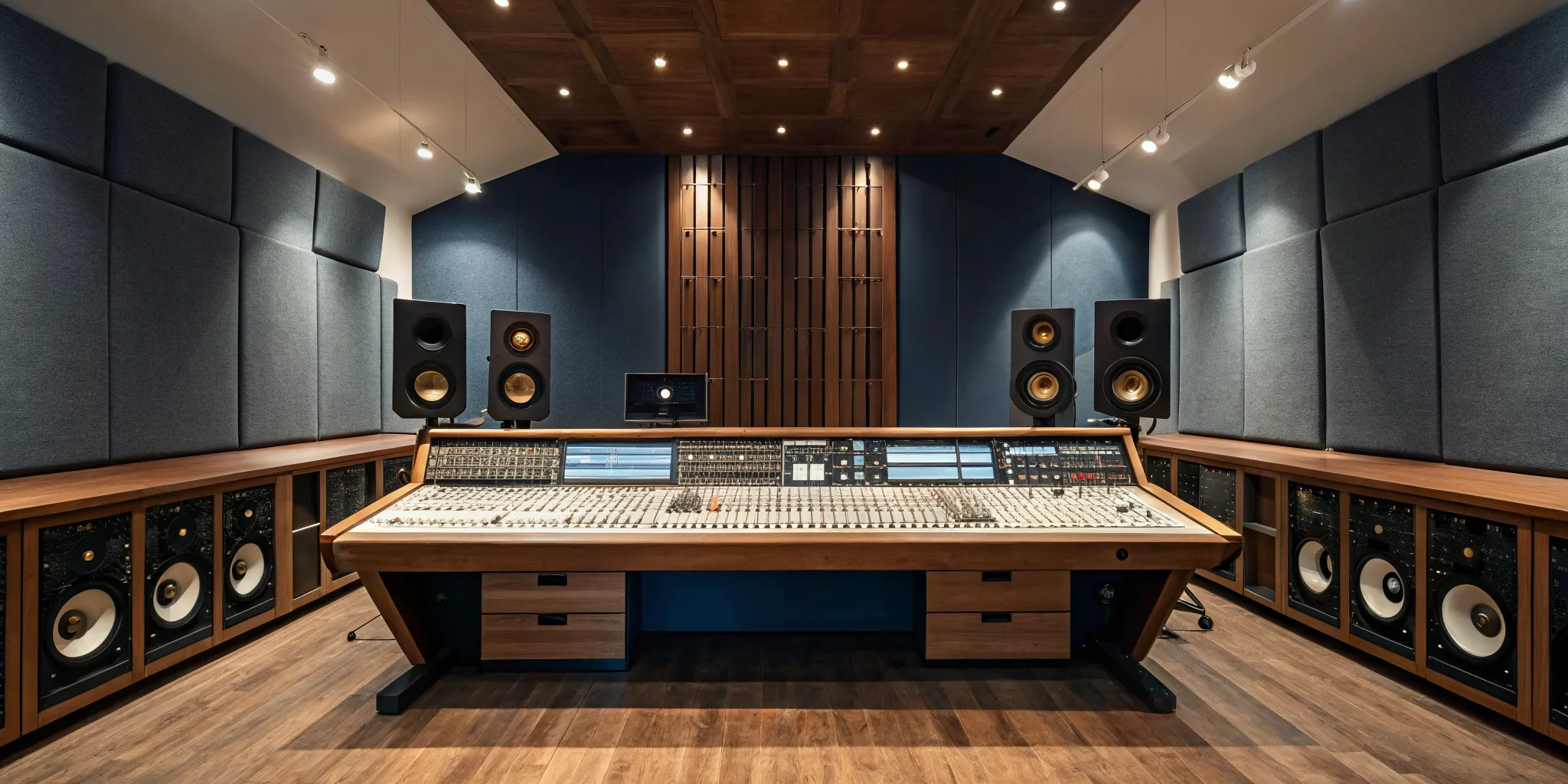
After listening to your own song hundreds of times, you know every beat, every lyric, every tiny flaw. But that closeness can also make it impossible to hear the track objectively. You’re too deep inside it to know how it will sound to a first-time listener. This is one of the most compelling reasons to work with an expert for professional audio mastering. You’re not just paying for fancy equipment; you’re paying for a fresh, unbiased, and highly trained set of ears. An engineer can identify subtle balance issues and make the small adjustments that make a huge impact, ensuring your vision translates clearly and powerfully to a global audience.
Key Takeaways
- Think of mastering as the final polish: It’s not about fixing a bad mix, but about making a good mix sound cohesive, balanced, and ready for listeners on any device, from earbuds to car stereos.
- A pro provides an essential fresh perspective: After you’ve heard your song hundreds of times, a mastering engineer brings an unbiased, expert ear and an ideal listening room to make your music stand up to commercial standards.
- Set your project up for success: Get the best results by choosing an engineer who fits your genre, providing them with a high-quality mix that has plenty of headroom, and clearly communicating your artistic vision from the start.
What Is Professional Audio Mastering?
Think of audio mastering as the final quality check before your music goes out into the world. After you’ve spent countless hours writing, recording, and mixing your track, mastering is the last, crucial step that prepares it for listeners. It’s the process of taking a finished mix and polishing it for distribution, ensuring it sounds balanced, clear, and professional whether it’s played on a high-end sound system, laptop speakers, or earbuds. This stage makes your music ready for streaming services and radio play, giving it the competitive edge it needs to stand out.
Mastering: The Final Polish for Your Track
Mastering is much more than just a technical process; it’s an art form. If you’re releasing an EP or an album, the mastering engineer’s job is to make sure all the tracks feel like they belong together. They create a cohesive listening experience by adjusting levels and tonal balance so that one song flows seamlessly into the next. It’s a delicate dance of making small, impactful adjustments to serve the project as a whole. This ensures your body of work, like those from other featured rBeatz artists, tells a consistent sonic story from start to finish.
How Mastering Makes Your Music Sound Professional
A professional mastering engineer provides two things you can’t get on your own: specialized equipment and a fresh, objective perspective. After listening to your mix hundreds of times, you’re too close to it to hear it clearly. An engineer brings a trained, unbiased ear to identify and correct subtle issues you might have missed, like a muddy low-end or harsh high frequencies. This blend of technical precision and artistic insight is what gives a track its final, professional sheen, making it ready for music submission and a global audience.
Clearing Up Common Mastering Myths
Let’s clear up a couple of things. First, mastering cannot fix a bad mix. It can only enhance a good one. If there are fundamental problems with instrument balance or vocal levels, you’ll need to address those in the mixing stage. Second, mastering isn’t just about making your track louder. While achieving a competitive volume is part of the process, a good master focuses on dynamics, clarity, and tonal balance. Simply cranking up the volume without skill will crush the life out of your music and lead to a distorted, fatiguing sound.
DIY vs. Professional Mastering: What’s the Difference?
Deciding between mastering your track yourself and hiring a professional is a common crossroads for independent artists. While DIY mastering has become more accessible with modern software, it’s important to understand what separates it from a professional service. The choice often comes down to three key areas: the equipment and environment, the objectivity of the engineer, and your ultimate goals for the project. Let’s break down what each path offers so you can make the best decision for your music.
The Gear, the Room, and the Skills
One of the biggest hurdles in DIY mastering is the physical environment. Professional studios are built for one purpose: critical listening. They feature high-end, specialized equipment and acoustically treated rooms designed to provide a perfectly flat and accurate sound reference. This allows an engineer to hear every nuance and flaw with total clarity. When you master in a bedroom or home studio, you’re often fighting against the room’s natural reverb and frequency issues, which can lead you to make poor mastering decisions. A pro not only has the right gear but also the years of experience needed to use it effectively.
Why a Fresh, Trained Ear Matters
When you’ve written, recorded, and mixed a song, you’re incredibly close to it. This is great for the creative process, but it can be a disadvantage for mastering. A professional mastering engineer provides a crucial fresh and objective perspective. They aren’t attached to the kick drum sound you spent ten hours perfecting; they’re focused on how the entire track translates as a whole and how it compares to other commercial releases. Mastering is an art of balance and compromise, ensuring a collection of songs feels cohesive. An experienced engineer knows exactly what to listen for and how to make the subtle adjustments that serve the music best.
Is Professional Mastering Worth the Investment?
So, is it worth the cost? If your goal is to have your music stand up next to your favorite artists on streaming platforms, the answer is almost always yes. Professional mastering isn’t just a technical process; it’s the final quality control step that gives your music a polished, competitive edge. It ensures your track sounds great on everything from high-end studio monitors to laptop speakers and earbuds. While you can certainly learn to master your own music, investing in a professional service for a key release can make a huge difference in how it’s received. A great master can be the final touch that gets your track noticed when you submit your music for airplay.
How to Choose the Right Mastering Engineer
Finding the right mastering engineer is a crucial step in finalizing your music. This person will be the last creative touchpoint on your track, so it’s important to choose someone who understands your vision and has the skills to bring it to life. Think of it less like hiring a service and more like finding a short-term collaborator. Here’s what to consider to make sure you find the perfect match for your project.
What to Look For in a Mastering Pro
The best mastering engineers are part technician and part artist. Professional mastering services offer a blend of technical precision, artistic insight, and industry-standard quality. This means you’re looking for someone with a top-notch listening environment and the right gear, but more importantly, someone with a trained ear who knows how to make a track shine without sacrificing its soul. When you listen to their portfolio, pay attention to the dynamics and clarity. Does the music feel powerful and polished, yet still authentic to the original mix? A great mastering pro knows how to enhance a song, not change its identity. They provide that final layer of quality control that prepares your music for the world.
Finding a Good Communication and Collaboration Fit
You can have the most technically skilled engineer in the world, but if you can’t communicate well, you might not get the results you want. The relationship you have with your mastering engineer is a partnership built on trust and clear dialogue. As one studio notes, “Clear communication, realistic expectations, and respect for the technical process will help you achieve a final product that reflects your artistic vision.” Before you commit, have a conversation. Explain what you’re going for with your track and listen to their feedback. Do they seem genuinely interested in your project? Are they asking thoughtful questions? You need to feel comfortable giving feedback and asking for revisions, so find someone you connect with.
Review Their Portfolio and Genre Experience
Every genre has its own sonic signature. A mastering engineer who specializes in heavy metal might not be the best choice for your ambient electronic track, and vice versa. A great engineer “tailors their approach to the genre, style, and intended audience of each project to achieve the best results.” Spend time listening to their past work. Most engineers have a portfolio with before-and-after samples on their website. Listen closely to see if their style aligns with your sound. Look for engineers who have experience with artists in your niche. They’ll have a better understanding of the subtle details that make your genre unique and know how to make your track competitive.
Making Sense of Pricing and Budgets
Mastering rates can vary widely, from a couple of hundred dollars per track to thousands for a full album with a world-renowned engineer. Don’t let the price be your only guide, but do find someone who fits your budget. Get clear quotes from a few different engineers and make sure you understand what’s included, such as the number of revisions and the types of files you’ll receive. Think of this as an investment in your music’s future. As many producers will tell you, “If you have good solid mixes, it is worth having a professional ensure that vision is realized.” A great master can make a huge difference in how your music is perceived, so it’s often a worthy expense.
What to Expect from the Mastering Process
Once you’ve chosen your engineer, it’s time to hand over your mix. This part of the process is a partnership. The more prepared you are and the better you communicate, the smoother it will go. Knowing what to expect can help you collaborate effectively and get a final master that you absolutely love. Let’s walk through the key stages, from preparing your files to receiving the finished product.
How to Prep Your Mix for Mastering
Your final master will only be as good as the mix you provide. The best results come from recording high-quality audio first and then using mastering to enhance it for distribution. Before you send anything to your engineer, double-check your mixdown. Make sure you export a high-resolution stereo WAV or AIFF file, typically at 24-bit and the same sample rate you recorded at. Most importantly, leave some headroom. This means your track’s loudest peaks should be around -3 to -6 dBFS. Remove any limiters or final compression from your master bus so the engineer has plenty of room to work their magic.
A Look Inside the Mastering Workflow
So, what actually happens after you send your file? Mastering is not a one-size-fits-all process; it’s an art where adjustments are made to get a group of songs to work together as a cohesive project. A mastering engineer will listen critically in a finely-tuned room and use specialized tools to apply subtle EQ, compression, and stereo enhancement. They balance the tonal character, control the dynamics, and bring the overall loudness up to a commercial level without sacrificing clarity. For an album or EP, they also handle the sequencing, ensuring the spacing and transitions between tracks feel just right.
Timelines, Revisions, and Final Delivery
Patience is key. The typical turnaround time for mastering is a few business days, but this can vary based on the project’s complexity and the engineer’s schedule. Once you receive the first version, listen to it on different systems: your studio monitors, headphones, your car, even your laptop speakers. Most engineers include one or two rounds of revisions in their fee. Be specific with your feedback. Instead of saying “it’s not punchy enough,” try “I’d like to hear the kick drum have a bit more impact in the chorus.” Once approved, you’ll receive the final files, usually in different formats for streaming, CD, and vinyl, ready for you to submit your music for airplay.
How to Get the Most Out of Your Master
To get a final track that truly reflects your vision, clear communication is everything. You can share your creative ideas, notes, and even other songs you like (called reference tracks) with the engineer. This gives them a sonic target to aim for. Don’t be shy about what you want. Are you going for a warm, vintage feel or a modern, crisp sound? Let them know. While it’s important to trust their expertise, this is your music. A great mastering engineer wants you to be happy with the result, creating a polished track that stands alongside other professional artists on our platform.
Frequently Asked Questions
What’s the real difference between mixing and mastering? Think of it this way: mixing is about building the song, while mastering is about presenting it to the world. During mixing, you focus on the internal balance of the track, making sure every instrument, vocal, and effect works together perfectly. Mastering takes that final stereo mix and applies a final polish, ensuring it sounds cohesive, commercially loud, and translates well across all listening devices, from car stereos to earbuds.
How do I know if my mix is truly ready for mastering? Your mix is ready when you feel you’ve taken it as far as you can creatively and technically. Before sending it off, listen to it on different speakers and headphones to check for any obvious issues. If you find yourself wanting to make big changes, like turning the vocals up or changing the snare drum’s tone, you should go back to the mix. Mastering is for enhancement, not for fixing fundamental balance problems.
What are “reference tracks” and should I send them to my engineer? Yes, absolutely. A reference track is a professionally released song that you admire for its sonic qualities. It gives your mastering engineer a concrete example of the sound you’re aiming for. It’s not about making your song sound exactly like another, but it serves as a great communication tool. You can say, “I love how clear the low-end is on this track,” which helps the engineer understand your goals much better than vague terms like “warm” or “punchy.”
Are online automated mastering services a good option? Automated services can be a quick and affordable way to get your track louder, and they are getting better all the time. However, they lack the critical element that a professional engineer provides: human judgment. An algorithm can’t understand the emotional intent of your song or make nuanced artistic decisions. A professional engineer listens and tailors their approach to serve your specific track, which is a level of detail that software alone can’t replicate.
What should I do if I’m not happy with the first master I get back? First, don’t panic. Revisions are a normal and expected part of the collaboration. Listen to the master on a few different systems you know well. Then, collect your thoughts and provide clear, specific feedback. Instead of saying “it doesn’t feel right,” try to identify what you’re hearing, for example, “The cymbals feel a bit harsh in the chorus,” or “I feel like we lost some of the punch from the kick drum.” Clear communication is the key to getting a final result you love.