

Charlotte independent artists rarely fit a single scene, sound, or career path. The five acts and music advocates below move through indie rock, pop-punk, jazz-inflected pop, production, and DIY label work. What connects them is not a trend. It is the distinct way each has helped define local music through releases, performances, collaboration, or infrastructure. Every selection comes from an existing rBeatz interview or editorial profile, so listeners can follow the source and hear the story in the artist’s own context.
Listen to ROQ Charlotte live and begin exploring music connected to the Queen City.
How we selected these Charlotte independent artists
This is an editorial watchlist, not a definitive ranking of Charlotte music. The city has more artists than any single list can represent. We focused on five subjects with verified rBeatz coverage and a clear relationship to the Charlotte-area scene. Each profile also offers a useful entry point into a different part of independent music: fan-centered band building, cross-genre production, ambitious studio arrangement, emotionally direct rock, and DIY label infrastructure.
Selection was based on three practical signals:
- A documented local connection: the artist, project, or music work has a meaningful relationship to Charlotte and its community.
- A distinct creative point of view: the music or supporting work reveals an identifiable approach rather than simply following a genre template.
- Verifiable editorial material: readers can continue with a published rBeatz feature or interview instead of relying on unsupported claims.
The result is intentionally varied. A scene becomes more interesting when a polished indie-pop trio can sit beside a pop-punk band, a restless studio project, and a record-label founder. That range is also visible across the city’s broader arts and culture ecosystem.
Oceanic turns indie pop into a shared experience
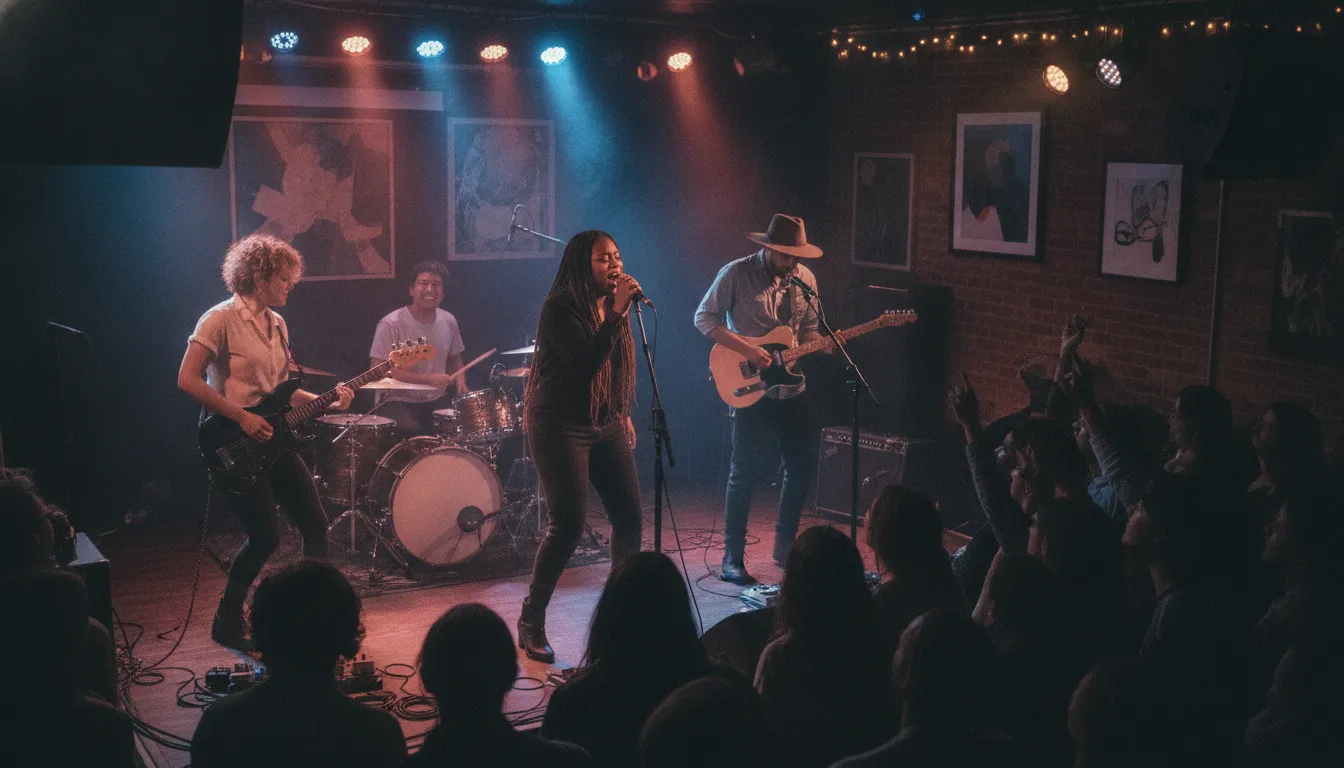
Oceanic offers an instructive example of how an independent band can make audience participation part of its identity. The Charlotte trio’s rBeatz profile documents more than 150 shows and five million Spotify streams since the group began in 2016. Those numbers establish reach, but the more revealing detail is the band’s interest in building experiences around the songs, including a video game connected to its music.
That approach suits Oceanic’s melodic indie-pop sound. A memorable chorus can invite an immediate response, while the band’s surrounding creative ideas give listeners another reason to stay involved. The project demonstrates that independent growth does not have to mean chasing every available platform. It can begin with a clear musical identity and a thoughtful understanding of what fans might enjoy beyond a single track.
For listeners studying how Charlotte bands move from local stages toward a wider audience, the full Oceanic profile is a useful starting point. It covers the trio’s history, live work, and audience-first thinking without separating its progress from the people who support it.
Atticus Lane connects performance, production, and local history
Atticus Lane represents a different kind of independent path. His rBeatz interview traces movement from hip-hop into rock, production, and work with Seneca Burns. That range matters because it shows how local music careers often develop: not along a straight genre line, but through skills and relationships that accumulate across projects.
The Seneca Burns story also carries a strong Charlotte marker. The band sold out its first show at the Milestone Club in 2022 before touring the East Coast. A first-show sellout is notable, yet the venue makes the detail more meaningful. The Milestone is woven into generations of local music history, so beginning there places a newer project inside a much longer conversation.
Lane is worth watching because his work is not limited to being the person at the microphone. Production changes how songs feel before an audience ever hears them, and cross-genre experience can sharpen those choices. Read the Atticus Lane Local Music Somewhere interview for the fuller story behind his creative development and connection to the Carolinas scene.
Want more context behind the songs? Explore rBeatz Podcasts for artist conversations and music-industry stories.
True Optimist makes arrangement part of the adventure
True Optimist, the studio project of Evan Plante, rewards listeners who pay attention to arrangement. Its sound brings together bossa nova, jazz, and indie pop, with inspiration that reaches toward the early 1980s. On the double album Parlor Palms, those references do not function as a costume. They create room for tonal shifts, layered instrumentation, and a sense that the next passage may move somewhere unexpected.
The project’s live form makes that flexibility even clearer. Plante has performed with an ensemble that can expand to eight people and include musicians associated with other local bands. That scale allows quiet guitar details, fuller vocal moments, and rhythmic changes to coexist. In practical terms, the studio project can become a communal performance without losing its exploratory character.
True Optimist belongs on this list because it resists a narrow definition of Charlotte indie music. The work is rooted locally while listening outward to multiple traditions. The True Optimist interview about Parlor Palms offers a closer look at Plante’s ideas and the musicians who help bring them to the stage.
Lacy Dooms gives pop-punk an emotionally direct voice
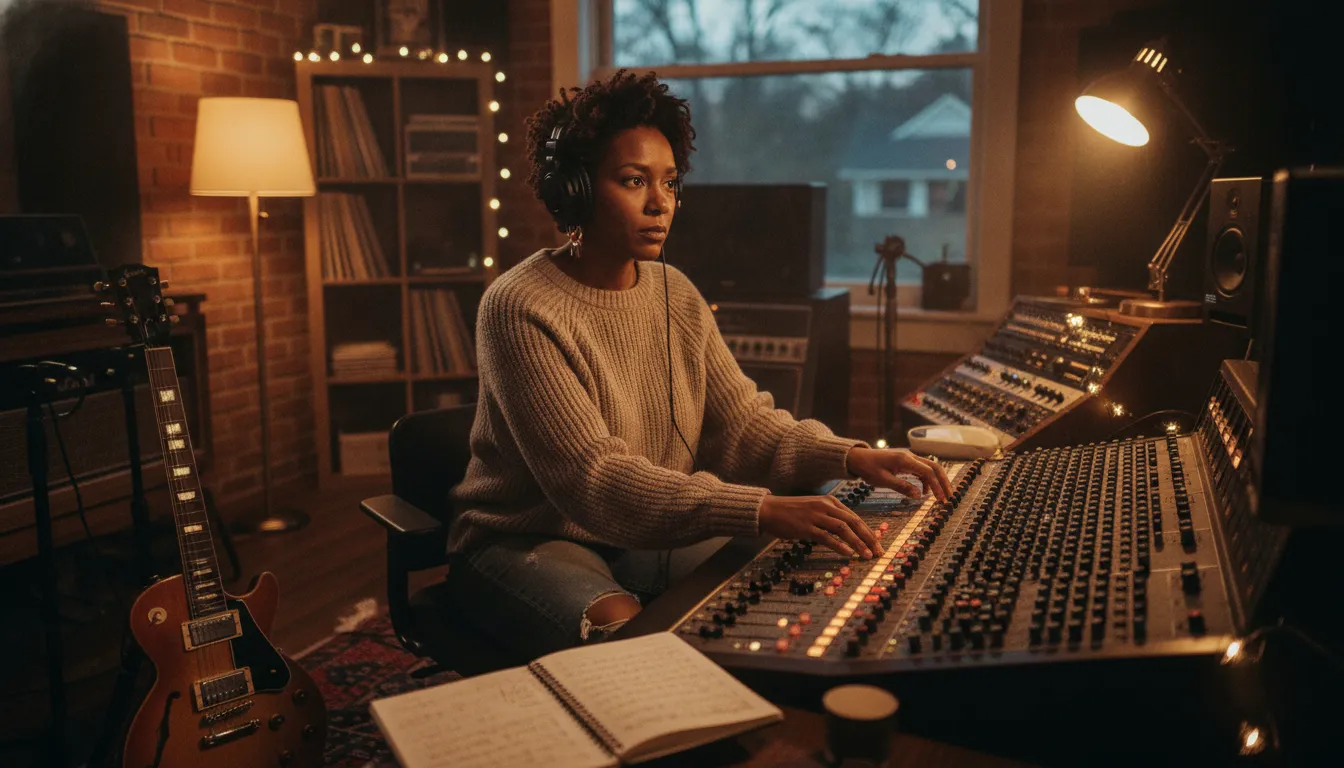
Lacy Dooms approaches local rock from the opposite direction: immediate, loud, and emotionally exposed. Led by Daniella Sniffen, the band works in pop-punk and rock, using high-energy performances to carry songs about difficult moods and messy experiences. That combination matters. Energy can make a song instantly accessible, while specificity gives it staying power after the last chorus.
The band’s first EP provides a clear introduction to that perspective. Rather than sanding away tension, Lacy Dooms uses it as part of the sound. The result is rock that can feel raw without becoming shapeless. It also reflects an important function of a local scene: giving artists and listeners a room where complicated feelings can be expressed directly and understood collectively.
Recognition at the Queen City Awards helped bring attention to the band, but the reason to keep listening is the artistic stance behind the songs. Visit the Lacy Dooms interview on Local Music Somewhere to hear more about the group’s formation, music, and direction.
Josh Robbins strengthens the scene behind the stage
A watchlist of Charlotte independent artists would be incomplete if it only considered performers. Josh Robbins demonstrates why the people releasing records, documenting music, and connecting bands are central to a healthy scene. He performs in Late Bloomer and Alright, and he runs Self Aware Records, which grew from a zine started in 2009 into a label with more than 50 releases.
That history gives Robbins a wide view of independent music. As a performer, he understands the slow work of developing a band across multiple albums. As a label operator, he helps other artists move music from a finished recording into the world. Those roles reinforce each other and show why DIY is more than an aesthetic. It is a practical commitment to building the structures a community needs.
Robbins has argued that Charlotte music does not need saving; it needs people to shine a light on what is already here. That distinction is worth taking seriously. It centers artists’ existing work instead of treating the city as an empty market waiting to be discovered. Read the Josh Robbins interview about Late Bloomer and Self Aware Records for his account of that work.
Five different routes through the Charlotte music scene
These selections reveal how many forms a sustainable independent practice can take. Listeners can use the comparison below to choose a starting point, then follow the linked interviews for deeper context.
| Artist or advocate | Creative lane | What to listen or look for | Start here |
|---|---|---|---|
| Oceanic. | Indie pop and rock. | Melodic songwriting and fan-centered experiences. | Band profile. |
| Atticus Lane. | Rock, hip-hop, and production. | Cross-genre growth and local collaboration. | Artist interview. |
| True Optimist. | Jazz-inflected indie pop. | Layered arrangements and an expansive live ensemble. | Project interview. |
| Lacy Dooms. | Pop-punk and rock. | High energy paired with emotional candor. | Band interview. |
| Josh Robbins. | DIY rock and label work. | Scene-building through performance and releases. | Local Music Somewhere interview. |
A simple listening route
- Choose the creative lane that sounds most interesting to you.
- Open the linked rBeatz profile or interview for the full story.
- Listen for the collaborators, venues, and related projects mentioned.
- Follow one of those connections to discover another Charlotte artist.
How can listeners find more independent music in Charlotte?
Start by following one connection at a time. An artist interview may mention a collaborator, venue, label, or related project. Following that thread often reveals more than searching for a generic playlist because it preserves the relationships that give the music context.
Listen across human-curated radio
rBeatz offers free, no-login listening across genre-focused stations. Rock listeners can begin with ROQ Charlotte, while the wider station portfolio opens routes into electronic, hip-hop, R&B, pop, gospel, country rap, and more. Selection is human-curated, so each stream reflects a programming point of view rather than an automated recommendation feed.
Use interviews and video to hear the story
A profile can explain choices that are not obvious from a finished song. Browse the rBeatz artist directory, listen to rBeatz Podcasts, or watch performances and interviews through RBTZTV Live. These formats make it easier to understand how artists develop their work and connect with the community around them.
Show up and follow the next connection
Local music becomes tangible in a live room. When a set introduces you to a new band, follow the bill, the venue, and the artists who shared the stage. Buy music or merchandise when you can, share a track you genuinely like, and return for another show. Those modest actions help independent work travel.
Browse more artist profiles and choose your next Charlotte music discovery.
How can Charlotte independent artists submit music to rBeatz?
Artists can submit music to rBeatz for review at no charge. The process is open to artists whose music fits the available station formats, and submissions are reviewed by people. Submission does not guarantee airplay, an interview, or a feature. Selection is based on merit and programming fit, not payment.
Before submitting, choose the strongest track, confirm that the recording and artist information are ready, and consider which rBeatz station best matches the sound. A focused submission gives reviewers a clearer introduction than an unfocused catalog dump. Then use the official music submission page to send the work for consideration.
rBeatz is artist-first and community-supported. It connects emerging and established independent artists with listeners through radio, podcasts, video, interviews, and curated features. Artists keep their expectations grounded while gaining a legitimate, free route to editorial review.
Frequently asked questions
Who are some Charlotte independent artists to watch?
Oceanic, Atticus Lane, True Optimist, Lacy Dooms, and Josh Robbins offer five verified entry points into Charlotte-area independent music. They represent different sounds and roles, from indie pop and pop-punk to production and DIY label work.
Where can I hear independent music from Charlotte?
Listeners can stream ROQ Charlotte and other rBeatz stations for free with no login. Artist profiles, rBeatz Podcasts, and RBTZTV Live also provide interviews, live performances, and background on the people making the music.
Does rBeatz charge artists to submit music?
No. Music submission is free, and rBeatz does not charge for airplay or features. Every submission is reviewed for merit and station fit, so submitting a track does not guarantee selection.
Is this a complete ranking of Charlotte musicians?
No. This is a focused editorial watchlist based on existing, verifiable rBeatz coverage. Charlotte’s music community is much larger, and listeners should treat these five profiles as starting points for broader discovery.
Start your next Charlotte music discovery
The most useful watchlist leads somewhere. Pick the artist whose creative lane catches your attention, open the linked interview, and follow the collaborators, venues, and releases around that story. If you make music, prepare your strongest track and use the free submission pathway for review.
Submit your music to rBeatz for consideration or listen to ROQ Charlotte live today.