How Culture Shapes a City’s Identity
The Role of the Arts in Building Community
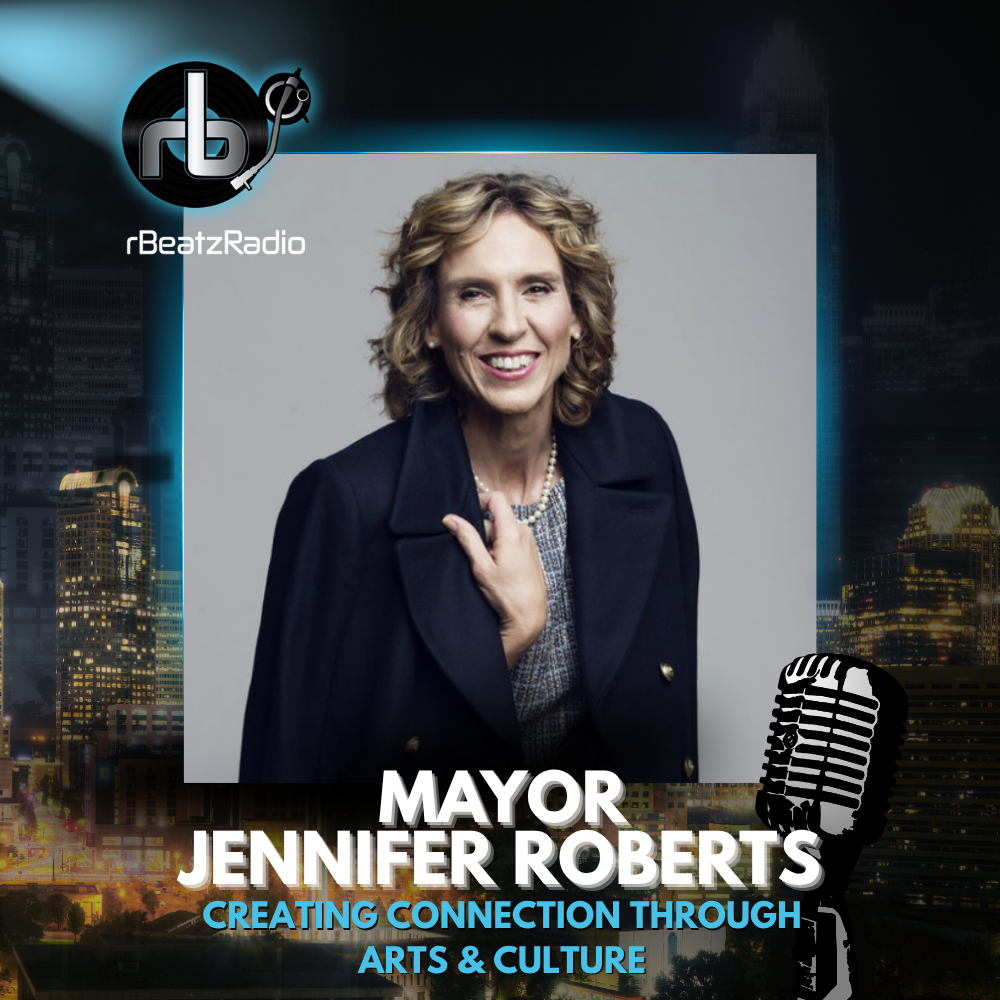
Jennifer Roberts
Key Takeaways
- Charlotte’s rapid growth has been driven by finance, innovation, and a commitment to welcoming diverse communities.
- The arts are a vital part of economic development, attracting businesses, talent, and families.
- Public art, murals, music, dance, and storytelling strengthen neighborhoods and create community identity.
- Charlotte’s diversity is one of its greatest strengths, creating a cultural “mosaic” rather than a melting pot.
- Affordable housing remains one of the biggest challenges facing artists and creative professionals.
- Leadership succeeds through collaboration, listening, and bringing people together around shared goals.
- Creative outlets improve mental health, encourage teamwork, and help young people find purpose.
- Storytelling preserves history while helping communities understand one another and envision a better future.
- Charlotte continues to invest in arts venues, cultural institutions, and creative opportunities that position the city for long-term growth.
- Young leaders are encouraged to pursue their passions, build on their strengths, and actively participate in shaping their communities.
Oui Talk Raw on rBeatz.com: Jennifer Roberts on Building Charlotte Through Arts, Leadership, and Community
Charlotte has become one of the fastest-growing cities in America, but what truly defines its future? In this episode of Oui Talk Raw, host Terry Hudson sits down with former Charlotte Mayor Jennifer Roberts for a thoughtful conversation about leadership, creativity, economic growth, and why the arts are essential to building thriving communities.
Rather than focusing solely on politics or development, the discussion explores the human side of city-building—how culture, storytelling, music, public art, and collaboration create a city people don’t just visit, but proudly call home.
Charlotte’s Growth Is About More Than Business
Terry Hudson opens the conversation by highlighting Charlotte’s remarkable transformation from a regional banking city into a nationally recognized destination. Jennifer Roberts explains that while finance helped fuel the city’s expansion, Charlotte’s success comes from continually embracing change, innovation, and diversity.
Instead of defining itself by one industry or one cultural identity, Charlotte has evolved into a city where multiple cultures, industries, and creative voices thrive together.
One of Jennifer’s most memorable observations captures that philosophy perfectly:
“What I prefer is calling us a mosaic. So the individual cultures can retain identity, but they’re still part of the whole picture.”
That idea becomes a central theme throughout the interview as both host and guest discuss how preserving individuality strengthens the city as a whole.
Why the Arts Matter to a City’s Future
One of the strongest themes throughout the episode is that arts are not simply entertainment—they are infrastructure for community.
Jennifer Roberts explains how symphonies, dance companies, museums, murals, theater, and local artists contribute to economic development while inspiring the next generation. Terry Hudson expands on that idea by pointing out how sporting events, festivals, public performances, and creative spaces all generate opportunities for musicians, visual artists, filmmakers, performers, and entrepreneurs.
Together, they paint a picture of a city where creativity intersects with business, tourism, education, and neighborhood development.
Public Art Gives Neighborhoods Their Identity
The discussion highlights Charlotte’s growing investment in murals, sculptures, public installations, and community-designed spaces.
Jennifer shares how learning from other cities encouraged Charlotte to embrace public art as an important part of neighborhood development. Rather than viewing artwork as decoration, she explains that it creates belonging, celebrates local history, and gives residents pride in where they live.
Terry builds on that point by encouraging artists to watch new development projects because every new district creates fresh opportunities for creatives to contribute.
Supporting Artists Requires More Than Inspiration
While celebrating Charlotte’s creative growth, both Terry and Jennifer acknowledge that artists face practical challenges.
Housing affordability, transportation, and access to performance venues all influence whether creatives can continue living and working in the city.
Jennifer stresses that successful creative communities require partnerships between government, nonprofits, businesses, educational institutions, and the arts community. Investments in theaters, museums, public spaces, and cultural organizations benefit not only artists but the entire local economy.
Leadership Begins with Collaboration
The conversation naturally shifts into leadership, where Jennifer shares lessons from serving as Charlotte’s mayor.
Rather than focusing on political differences, she emphasizes recognizing people’s strengths, inviting diverse perspectives, and finding common ground.
Terry echoes those ideas by discussing the importance of learning from failure while remaining open to voices that may challenge your thinking. Their exchange reinforces the idea that lasting progress happens when communities work together instead of apart.
Creativity Is Essential for Mental Health and Human Connection
Another compelling topic centers on creativity as a human necessity.
Jennifer discusses how music, dance, theater, spoken word, and community arts programs provide healthy outlets for young people while strengthening emotional well-being and social connection.
Terry agrees, noting that creativity extends far beyond professional artists. Whether someone works in science, business, education, or technology, creativity helps solve problems, build relationships, and navigate life’s challenges.
Together, they present creativity not as a luxury, but as a vital life skill.
Storytelling Shapes a City’s Identity
The episode concludes with a thoughtful discussion about storytelling.
Jennifer explains that every community has stories worth preserving—from neighborhood history and civil rights to cultural traditions and personal experiences. Terry expands the conversation by highlighting Charlotte’s filmmakers, poets, musicians, photographers, and performers who continue telling those stories in powerful ways.
Storytelling becomes more than entertainment; it becomes a bridge between generations and cultures.
Jennifer leaves listeners with advice that resonates well beyond Charlotte:
“Find something you care about, invest in that, bring people along.”
Final Thoughts
This episode of Oui Talk Raw is more than a conversation about Charlotte—it is a discussion about how great communities are built.
Terry Hudson brings his signature curiosity and passion for the creative economy, asking thoughtful questions that connect music, entrepreneurship, leadership, and city development. Jennifer Roberts responds with practical insight gained through years of public service, offering an optimistic vision rooted in collaboration, inclusion, and community investment.
Whether you’re an artist, entrepreneur, civic leader, or someone who simply cares about the future of your city, this conversation serves as a reminder that thriving communities aren’t created by chance. They are built by people willing to invest in culture, embrace diversity, tell meaningful stories, and work together toward a shared vision.