Pediatric Oncology Through the Lens of Clinical Care
Leading Families Through High-Stakes Medical Decisions
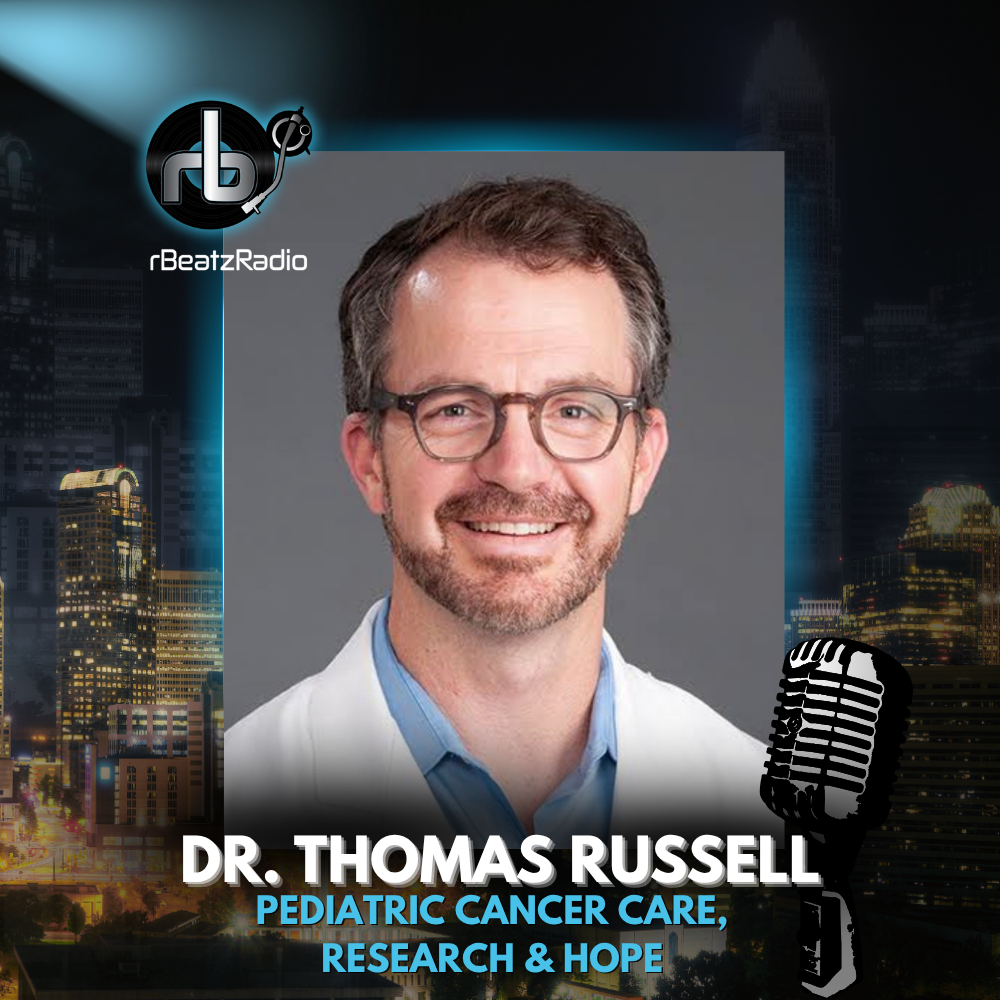
Thomas Russell MD
(From Research)
Dr. Russell is board certified in pediatrics and pediatric hematology-oncology (cancer and blood disorders). He focuses on pediatric solid tumors and has a special interest in sarcomas.
He has clinical interests in solid tumor research focusing on translational research and clinical trials development for pediatric sarcoma patients.
Dr. Russell received his medical degree at the University of New Mexico, where he also completed residency in pediatrics. He completed a pediatric hematology-oncology fellowship at Oregon Health & Science University.
Key Takeaways
- Pediatric oncology is as much about caring for families as it is treating cancer.
- Modern childhood cancer treatments continue to improve because research never stops.
- Every child is unique, requiring individualized care beyond clinical guidelines.
- Honest communication builds trust, even during devastating conversations.
- Emotional intelligence is just as important as medical intelligence.
- Parents deserve truth delivered with compassion and dignity.
- Physicians carry emotional weight long after they leave the hospital.
- Exercise, self-care, and purpose help prevent burnout in emotionally demanding careers.
- Science and humanity work best when they complement one another.
- Hope isn’t false optimism—it is helping families make the best possible decisions with the information available today.
Oui Talk Raw with Dr. Thomas Russell, MD: The Heart Behind Pediatric Oncology, Hope, and Humanity
For this episode of Oui Talk Raw on rBeatz.com, host Jennifer Busco welcomes Dr. Thomas Russell, MD, Director of the Rare and Solid Tumor Program at Levine Children’s Hospital, for one of the podcast’s most heartfelt and thought-provoking conversations to date.
Jennifer’s natural curiosity and willingness to ask the difficult questions allows listeners to experience medicine beyond textbooks and diagnoses. Rather than focusing solely on cancer treatment, the discussion explores compassion, ethics, intuition, grief, resilience, science, spirituality, and what it truly means to care for children and families during the hardest moments of their lives.
Why Pediatric Oncology Is About More Than Treating Cancer
Dr. Thomas Russell explains that pediatric oncology isn’t simply administering chemotherapy or following treatment protocols. Every diagnosis represents a child, a family, and an entirely different set of circumstances.
Throughout the conversation, Jennifer encourages listeners to see the emotional reality behind the profession, asking how physicians navigate impossible decisions while remaining compassionate. Dr. Russell shares that his responsibility extends beyond medicine—he becomes an educator, advocate, communicator, and guide for families facing unimaginable circumstances.
Rather than viewing medicine as a collection of procedures, he approaches every patient as an individual whose emotional, physical, and long-term well-being all deserve equal attention.
Advances in Pediatric Cancer Research Continue to Change Lives
One of the most encouraging discussions centers around how dramatically pediatric cancer outcomes have improved over the past several decades.
Dr. Russell explains that diseases once considered untreatable now have remarkable cure rates thanks to decades of research, clinical trials, and increasingly personalized medicine. He also discusses how physicians continue refining treatments to reduce long-term side effects while improving survival rates.
Jennifer asks thoughtful questions that help make complex medical topics understandable for everyday listeners, allowing audiences to appreciate both the incredible scientific progress and the challenges that still remain.
Delivering Difficult News Requires More Than Medical Knowledge
Perhaps the most emotional portion of the interview explores how physicians tell parents their child has cancer—or when treatment is no longer working.
Dr. Russell shares that every difficult conversation requires more than clinical expertise. It demands emotional awareness, empathy, and the ability to help families understand enough information to make life-changing decisions.
One of the episode’s most memorable reflections comes when he explains his philosophy of patient care:
“We are truth tellers.”
Rather than avoiding painful conversations, Dr. Russell believes families deserve honesty delivered with compassion, dignity, and unwavering support.
Jennifer thoughtfully explores the emotional burden these conversations create for physicians, leading to one of the deepest discussions of the episode.
Science, Intuition, and the Human Side of Medicine
Jennifer isn’t afraid to ask questions many people quietly wonder about.
Can intuition influence medical decisions?
Do physicians ever get a feeling that something isn’t quite right?
How do doctors balance scientific evidence with experience?
Dr. Russell answers these questions with humility, explaining that medicine requires constant reflection and an awareness of personal bias. Even with years of education and clinical expertise, he believes physicians should remain intellectually curious rather than overly certain.
The conversation naturally expands into discussions surrounding spirituality, purpose, mortality, emotional resilience, and what it means to sit with families during life’s most difficult moments.
The Emotional Weight Physicians Carry Home
One of Jennifer’s strongest questions asks something many patients have wondered:
How do doctors not take this work home with them?
Dr. Russell candidly admits that they do.
He discusses using exercise, discipline, healthy routines, and self-care to process emotionally demanding days while acknowledging that some patients remain with him long after leaving the hospital.
Rather than portraying physicians as emotionally detached, the interview reveals the opposite—a profession deeply invested in the lives entrusted to their care.
A Story That Changed His Career Forever
One particularly moving story involves a young patient experiencing a stroke due to sickle cell disease.
Initially relying on medical facts alone, Dr. Russell struggled to convince the family to move forward with urgent treatment. Everything changed when he connected with them emotionally by speaking about their son’s love of playing the violin and the possibility of losing that ability forever.
The experience permanently changed how he communicates with patients and families.
As he explains:
“We like to think that we are rational creatures that sometimes feel, but we’re really feeling creatures that sometimes think.”
It becomes one of the defining moments of the episode, illustrating that meaningful healthcare depends as much on understanding people as understanding medicine.
Jennifer Busco Brings Humanity to Complex Conversations
Jennifer’s interview style allows serious conversations to remain approachable.
She mixes humor, vulnerability, curiosity, and empathy, creating an atmosphere where Dr. Russell comfortably discusses topics many physicians rarely speak about publicly—from burnout and emotional exhaustion to spirituality, parenting, intuition, and grief.
Rather than conducting a traditional interview, Jennifer creates a genuine conversation that invites listeners into the human experience behind modern medicine.
Final Thoughts
This episode of Oui Talk Raw reminds listeners that medicine is ultimately about people.
Dr. Thomas Russell offers an honest, compassionate look into pediatric oncology while emphasizing the importance of communication, humility, lifelong learning, and caring for families through both hope and heartbreak.
Jennifer Busco’s thoughtful questions create space for conversations that extend well beyond healthcare, touching on resilience, purpose, emotional intelligence, and what it means to serve others with compassion.
Whether you’re interested in pediatric cancer research, healthcare, personal growth, or simply hearing an authentic conversation between two people genuinely exploring life’s biggest questions, this episode is both informative and deeply inspiring.
More Artists and Show Episodes