
If you’ve ever heard music that instantly transports you to a futuristic scene, you’ve probably encountered synthwave. It’s music perfect for a neon-lit cityscape or an old arcade glowing in the darkness of a dystopian background.
For anyone asking, “What is synthwave electro music?” — the answer is simple. It’s a retro-inspired electronic genre. It recreates the sounds, moods, and aesthetics of the 1980s using modern production techniques.
Synthwave combines vintage synthesizers, electronic drums, cinematic atmosphere, and nostalgic melodies. Although inspired by the past, it is very much a modern genre. It emerged online during the late 2000s and gained momentum throughout the 2010s through streaming platforms, gaming communities, and film fans.
Today, synthwave is one of the most recognizable styles in electronic music. Its appeal extends far beyond nostalgia. It attracts listeners who enjoy immersive sound design, emotional melodies, and futuristic storytelling. This guide explains the origins of synthwave, its defining characteristics, major artists, and how producers create synthwave music.
What Is Synthwave Music?
Synthwave is a subgenre of electronic music. It draws heavily from 1980s film scores, television soundtracks, arcade games, and early synthesizer-driven pop music. It recreates the feeling of a future imagined in the 1980s rather than what actually exists today.
At its core, synthwave relies on synthesizers, drum machines, atmospheric effects, and memorable melodies. Many tracks feel cinematic. Others are designed for dancing. Some are entirely instrumental, while others feature vocals inspired by new wave, pop, rock, or electronic traditions.
The genre is closely connected to retro-futurism. This artistic style imagines how people in previous decades viewed the future. Neon skylines, fast sports cars, digital landscapes, and cybernetic imagery frequently appear alongside synthwave releases.
There’s also a considerable overlap between synthwave and electro music. Both genres rely heavily on synthesizers and electronic production techniques. However, synthwave typically places greater emphasis on nostalgia, storytelling, and cinematic mood.
The genre gained widespread popularity online through platforms such as YouTube, SoundCloud, and Bandcamp. Independent artists were able to release music directly to listeners. This helped the genre develop a dedicated global community.
Although not considered purely EDM music (more for listening than dancing), synthwave is widely embraced by the EDM community. Modern synthwave electro music continues to transform while maintaining its unmistakable connection to the sounds and aesthetics that inspired it.
The Origins of the Synthwave Music Genre
Synthwave did not originate directly from the 1980s. Instead, it emerged decades later as artists revisited the sounds and cultural imagery of that era.
1980s Influence
The foundation of synthwave can be traced to classic films, television shows, and electronic music from the 1980s. Movies such as Blade Runner and Tron helped establish the futuristic atmosphere that remains central to the genre.
Television series like Miami Vice contributed sleek visuals and synth-heavy soundtracks. Early arcade games and home consoles also influenced the genre’s digital aesthetic.
The Internet Revival of Synthwave
The rise of streaming platforms allowed independent musicians to reach audiences without traditional record labels. Artists began sharing music inspired by vintage synthesizer sounds and retro visual themes.
The 2011 film Drive played a major role in introducing synthwave to mainstream audiences. Later, shows such as Stranger Things renewed interest in retro electronic sounds and in the 1980s.
As nostalgia became a powerful cultural force, the genre developed into a thriving international movement. There are artists, festivals, labels, and online communities dedicated to the style.
Synthwave Music Characteristics
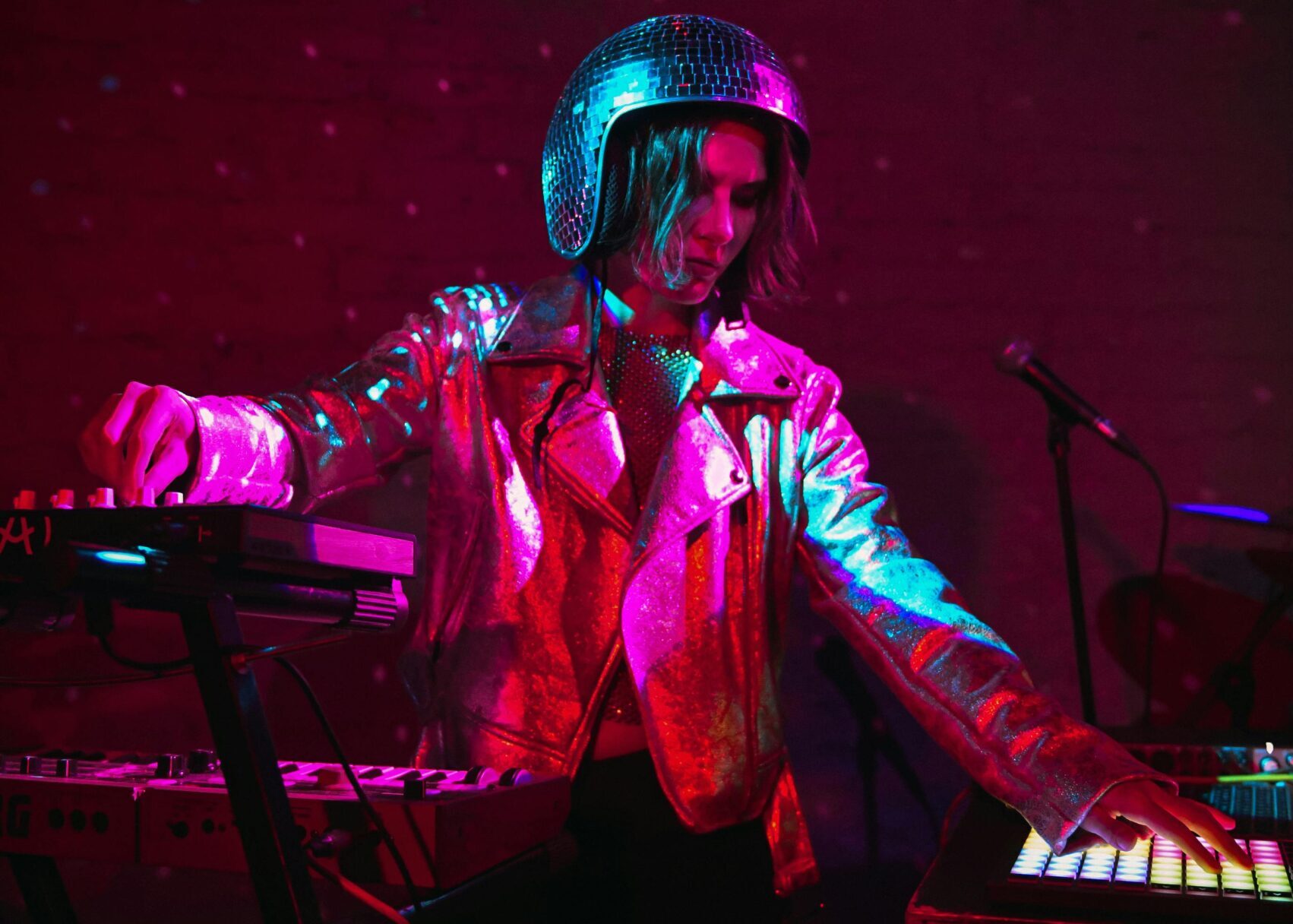
The easiest way to recognize synthwave is through its distinctive combination of sound and atmosphere.
Key characteristics of this type of music include:
- Analog synthesizer sounds
- Retro 1980s-inspired melodies
- Electronic drum machine programming
- Atmospheric production
- Cinematic soundscapes
- Nostalgic themes
- Warm basslines
- Heavy use of reverb and delay
Now, let’s dive into the details.
Analog Synthesizer Sounds and Retro 1980s-Inspired Melodies
Synthwave often begins with synthesizer sounds inspired by classic hardware. These include what are considered part of the “holy trinity” of 1980s synthesizers: the Roland Juno-106, Yamaha DX7, and Moog Minimoog. These instruments helped define the sound of many recordings during the 1980s. These evoke the feel of 1980s movie and television series soundtracks.
Electronic Drum Machine Programming, Atmospheric Production, and Cinematic Soundscapes
Drum programming is equally important in synthwave. Producers frequently emulate machines like the Roland TR-808 to achieve punchy, vintage-inspired rhythms. Melodies tend to be emotional and memorable. Many tracks feature soaring lead lines that feel optimistic, reflective, or cinematic. Atmospheric pads create a sense of space and movement. The tempo varies depending on the style. Some tracks borrow from dance music and maintain energetic rhythms. Others move at a slower pace and focus on atmosphere. Cinematic soundscapes in synthwave are atmospheric, immersive layers of sound that help create a vivid sense of place and emotion.
Nostalgic Themes and Warm Basslines
The genre also contains several distinct moods. Dark synthwave, often associated with cyberpunk themes, uses aggressive basslines and ominous textures. Upbeat synthwave emphasizes bright melodies and feelings of nostalgia. Vocal synthwave incorporates singers, while instrumental releases rely entirely on production and composition. Basslines are usually simple but effective. Rather than dominating the mix, they support the melodic content while keeping the forward momentum.
Heavy Use of Reverb and Delay
In synthwave, reverb is the “room sound” around a synth, while delay is the “echo” that comes back after a short pause. Both are used in making sounds feel bigger, wider, and dreamier. Synthwave often aims for a nostalgic, cinematic, retro feel, and heavy reverb and delay help create that floating, atmospheric sound. They also make simple synth notes feel more emotional and spacious. Together, these elements create the unmistakable identity of this kind of electro music.
Popular Synthwave Music Artists and Influences
A handful of artists have become closely associated with synthwave and helped introduce the genre to wider audiences.
- Kavinsky, a French electro-house artist, became internationally recognized through the song “Nightcall,” featured prominently in the film Drive. His music blends synthwave with dark cinematic storytelling and retro automotive imagery.
- The Midnight is an American band that combines synthwave with pop songwriting, saxophone performances, and nostalgic lyrics. Their music appeals to both electronic and mainstream listeners.
- Perturbator (James Kent) is known for darker, cyberpunk-inspired synthwave. His work often incorporates aggressive rhythms and dystopian themes.
- Carpenter Brut (Franck Hueso) mixes synthwave with rock and metal influences. The result is energetic, dramatic, and highly theatrical.
- FM-84 is a synthwave musical group that helped popularize the uplifting side of the genre. Tracks such as FM-84’s “Running in the Night” are considered modern genre classics.
Other notable names in the world of synthwave include Gunship, Com Truise, and Mitch Murder.
Why Trance Fans Often Enjoy Synthwave
Fans of trance music often appreciate synthwave because both genres emphasize melody, atmosphere, and emotional progression. While trance focuses more on dancefloor energy, synthwave offers a cinematic alternative built on many of the same emotional foundations.
How to Make Synthwave Music
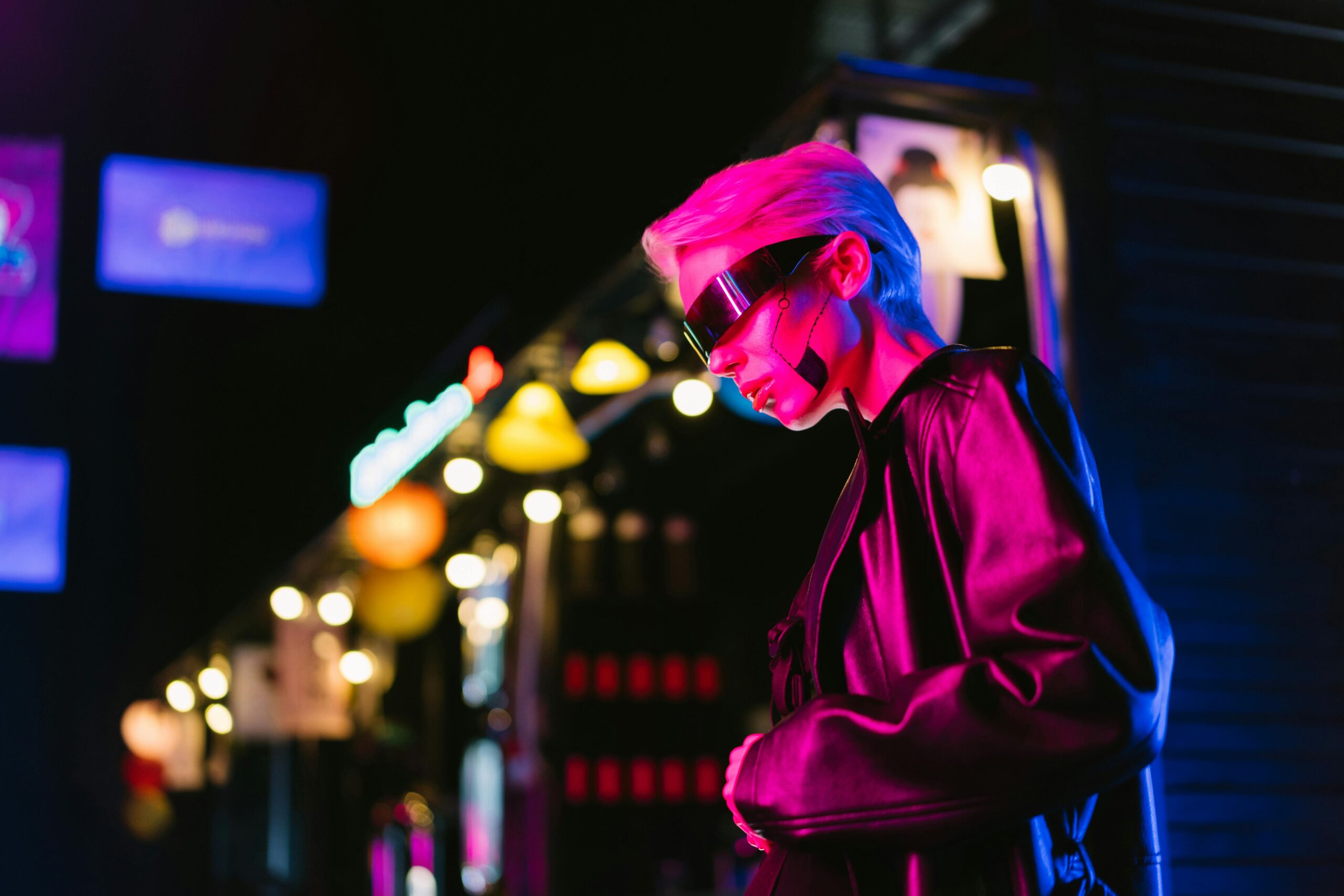
Creating synthwave is surprisingly easier today. Modern software allows producers to recreate many of the sounds that originally required expensive hardware.
Most producers begin with a digital audio workstation, commonly called a DAW. Popular choices include Ableton Live, FL Studio, and Logic Pro. Next comes sound selection. Many producers use virtual instruments that emulate vintage synthesizers. Popular tools include Serum, TAL-U-NO-LX, and Roland Cloud.
A typical track often follows this structure:
- Atmospheric introduction
- Main melodic theme
- Bassline development
- Additional layers and textures
- Climactic section
- Outro
Reverb and delay play major roles. These effects create spacious, cinematic environments and help achieve the genre’s nostalgic feel.
Layering is another important technique. Producers frequently stack multiple synth sounds to create richer textures. A single melody may consist of several synthesizers working together.
Drum programming usually emphasizes vintage sounds. Electronic kick drums, snare hits, and tom fills contribute to the retro atmosphere.
The goal is not simply to imitate the past. Successful synthwave producers combine classic influences with modern production quality. This helps them create pieces that are both familiar and fresh.
FAQs
Why is synthwave music so good?
Synthwave is popular because it combines strong melodies, cinematic atmosphere, and nostalgia. Many listeners find the genre emotionally engaging while still feeling energetic and modern.
Who are the pioneers of synthwave?
Early synthwave pioneers include artists such as Kavinsky, Mitch Murder (Johan Bengtsson), and College (David Grellier), as well as later acts like The Midnight. They helped define the genre’s modern sound and build its online community.
Is synthwave the same as retrowave?
Retrowave and synthwave are often used interchangeably. Some fans use “retrowave” as a broader term that includes synthwave and related retro-inspired electronic styles.
Why is synthwave associated with the 1980s?
Synthwave is associated with the 1980s because it draws inspiration from the decade’s films, television, video games, synthesizers, and visual design. Much of its identity comes from recreating the cultural atmosphere of that decade.
What do I need to make synthwave music?
To make synthwave, you need a DAW, synthesizer plugins, drum samples, and effects such as reverb and delay. Modern software makes it possible to create authentic synthwave without owning vintage hardware.
Why Synthwave Continues to Captivate Listeners
Synthwave is still one of the most distinctive styles in electronic music because it combines nostalgia with innovation. Its combination of cinematic atmosphere, memorable melodies, vintage synthesizers, and modern production creates a sound that feels both timeless and contemporary.
From its roots in 1980s pop culture to its online revival decades later, synthwave has grown into a global genre with dedicated artists and passionate fans. Whether you enjoy upbeat retrowave, dark cyberpunk-inspired tracks, or atmospheric synthwave electro music, there’s a corner of the genre worth discovering.
As new artists continue to reinterpret classic sounds through modern technology, synthwave shows no signs of fading. Its influence can still be heard across electronic music, film soundtracks, gaming culture, and mainstream pop.