Full of body-moving rhythms, explorative sounds, and futuristic production, EDM (electronic dance music) is a major force in contemporary music culture. This broad genre of music is made for dancing, with modern music production tools creating energetic sounds for club sound systems and festival environments.
Modern EDM emerged from dub and disco in the 1970s, migrating from Black culture in the United States to clubs and fields across Europe. While ‘EDM’ is a relatively new label, this contemporary genre stems from house, techno, trance, and breakbeat culture from the late 20th century.
In this article, we’ll teach you everything about electronic dance music. After defining the major characteristics of the modern sound, we’ll dig into the roots and explain why this music is so influential.
What Does EDM Music Mean?
EDM is a broad category of electronically produced music designed for dancing, delivered by live acts and DJs. This music is created using digital instruments, synthesizers, and software. While many styles exist, electronic dance music often features repetitive beats, breakdowns, and high-energy drops.
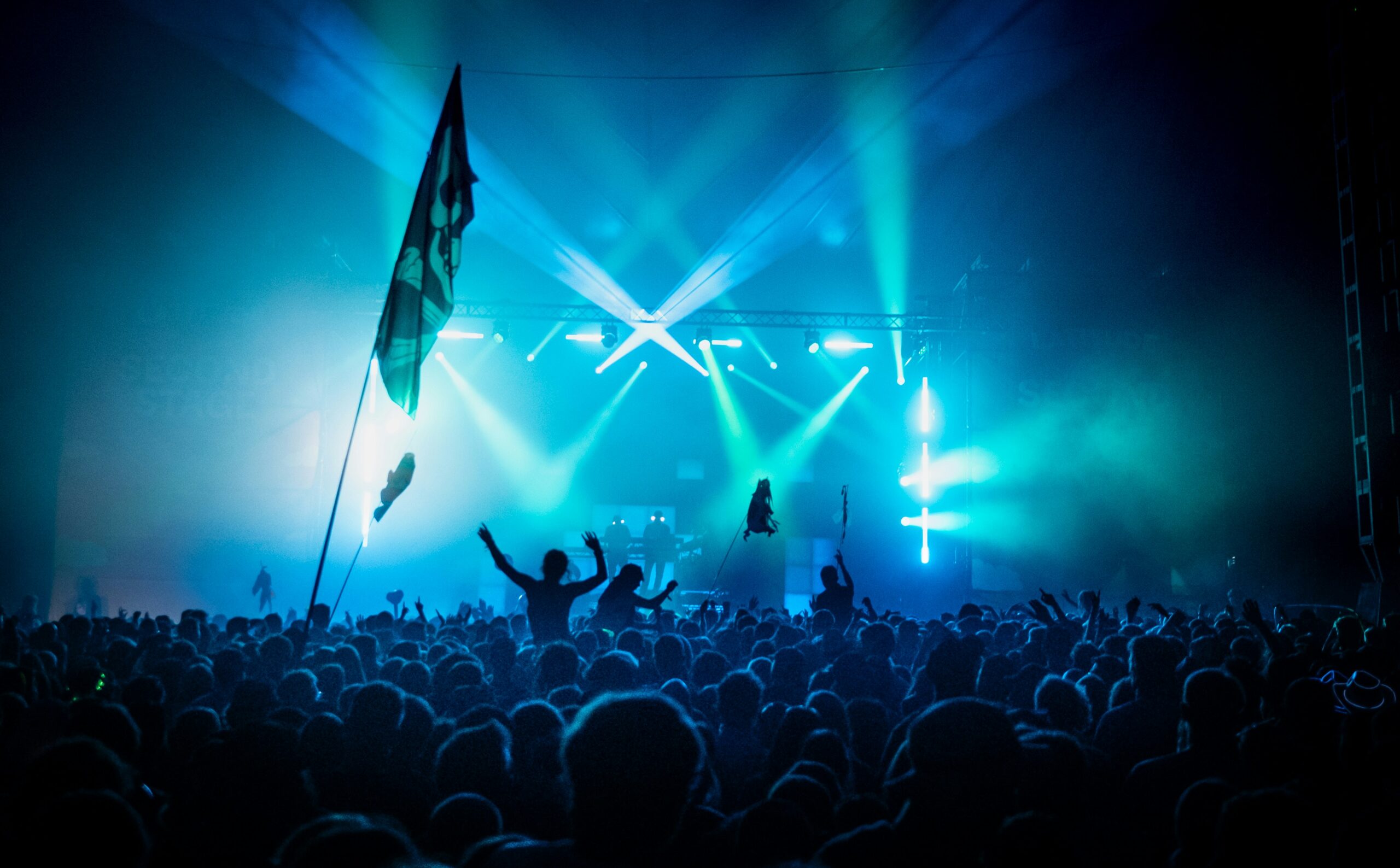
Electronic music is closely tied to nightclubs and global festivals, where tracks are mixed live for continuous playback. Known for its strong, propulsive rhythms and immersive sound stage, EDM has grown over recent years to command a huge commercial presence.
Key Characteristics of EDM Music
Electronic dance music is a massive genre, and it has a huge influence on popular culture. Along with being a mammoth commercial force in its own right, it intersects heavily with contemporary hip-hop, R&B, and pop productions.
EDM tracks share the following characteristics:
Electronic Production
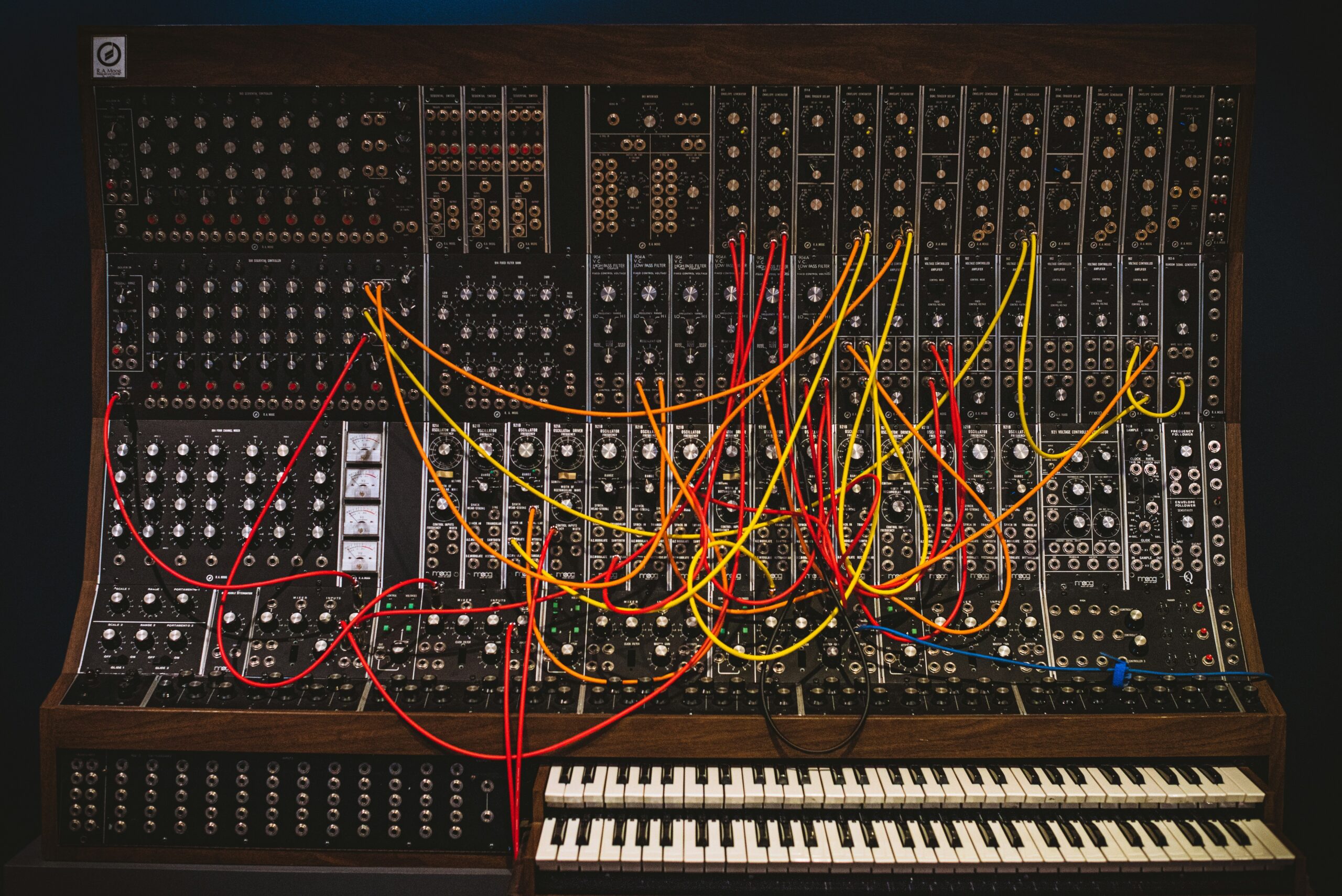
More than any other genre, electronic dance music is heavily reliant on production. Most sounds involve electronics, from analog machines using PCB-printed circuits to software-based synths, samplers, and digital audio workstations (DAWs). While many sounds originate from human musicians, they’re often treated through mixing desks and edited on computer screens.
Strong Beats to Inspire Movement
Along with novel sounds crafted through electronics, electronic dance music is focused on movement and power. This is dance music by definition, with particular rhythms and tempos designed to get people moving. Modern EDM ranges from 90 to 180 BPM, with speed of movement a big part of genre appeal.
Breakdowns, Build-Ups, and Drops
Commercial EDM is rather formulaic, created to energize dance floors and bring people together. Many tracks feature obvious breakdowns and build-up sections, typically followed by a ‘drop.’ This is the highlight of the track, where low bass notes, powerful kick drums, and memorable melodies re-enter the mix as dancers go crazy.
Repetitive Structures for Dancing
EDM has diverged far from its underground roots, but some things remain. While modern tracks involve more frequent breakdowns and drops, the repetitive nature of early rave music remains. Rhythms are looped to inspire dancing, and some tracks explore minimalism to induce a trance-like state.
Made for Clubs and Festivals
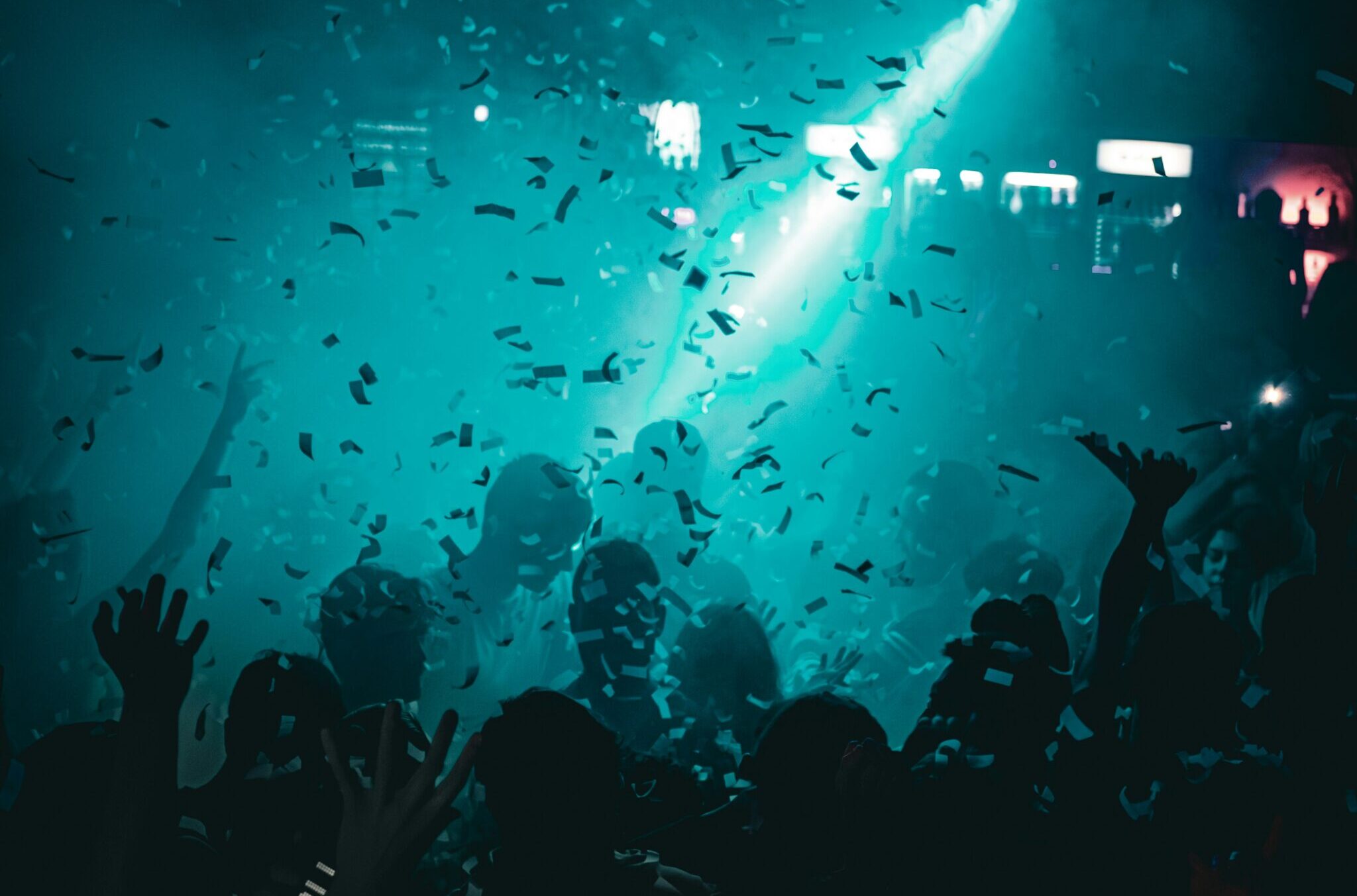
Today’s EDM can be heard everywhere, from car stereos to supermarkets and TV ads. EDM is functional dance music, however, and it sounds best through specialized speakers. The low bass register of dance music comes alive at clubs and festivals, where promoters invest thousands in purpose-built sound systems.
A Brief History of EDM Music
Electronic dance music has a unique presence on the sonic landscape. Composers developed new sounds from electronics in the early to mid-20th century, which was then developed in genres like Jamaican dub music, European electro-pop, and American disco.
Electronics and dance were finally galvanized in the 1970s, with multiple genres converging to create a brand new form of music.
From Reggae to Dub and Hip-Hop
Reggae musicians in Jamaica were some of the first people to experiment with electronics. These new sonic elements were copied in hip-hop, where MCs and turntables became the new stars of the show. Dub music is the cradle of EDM, introducing fragmented musical elements and novel sonic textures.
Funk, Soul, and Disco in the 1970s
Funk and soul music formed the musical foundations of disco, and records from these genres were among the first to use drum machines. Disco became a distinct genre in the mid-1970s, borrowing studio techniques from dub and rhythms from funk and soul.
House and Techno in Chicago and Detroit
In the early 1980s, a cultural explosion in electronic music took place in America. Chicago house combined drum machines with percussive samples, synths, and vocal hooks. This inspired producers in neighboring Detroit, who stripped the music back further in a new genre called techno music.
The Rave Culture Explosion in Europe
Once Europeans wrapped their ears around this new music, the EDM explosion truly began. The ‘second summer of love‘ took shape in the UK in 1988-89, where acid house music and MDMA fueled all-night parties. The Germans also fell in love with this music, along with the rest of Europe.
Global Mainstream Popularity in the New Millennium
Europe’s rave music explosion peaked hard and came down fast in the late ’90s, and once again, America was ready to take control. Modern EDM is the commercial offspring of house, techno, trance, and breakbeat music. It became a sensation, thanks to massive festivals and clubs, and it’s still going strong to this day.
Popular EDM Genres and Types of EDM
All genres of electronic music are inspired by the sub-genres of dance music. The following genres form the backbone of contemporary EDM production:
House and Progressive House
House music is incredibly influential. It was the original form of electronic dance music, and it’s splintered into various forms over the years. House is defined by a steady 110-130 BPM tempo, along with deep bass lines, syncopation, and vocal samples. Deep house is the slower, darker, and more minimal version of the house groove.
Techno
Techno is focused on repetitive structures, percussive beats, and minimal synths. It’s generally faster and harder than house, sitting somewhere between 120 and 150 BPM. Techno has also given birth to many sub-genres, from slower and more minimal styles to faster variants like hardcore and acid techno.
Trance
Trance is the third foundation of modern electronic dance music. This genre focuses on emotional melodies and structured build-ups — two elements strongly represented in commercial EDM tracks. Trance music started in Germany in the late ’80s and kept going strong into the ’90s.
Dubstep
Dubstep is a fairly modern style of dance music, emerging in the early 2000s in the UK. It features heavy bass lines and drops — elements still central to modern EDM. The purist dub styling of UK dubstep mutated when it hit America, with sound design and mid-range elements gaining more prominence.
Drum and Bass
This style of dance music features fast tempo and breakbeats, which come from funk, dub, and hip-hop records. While most dance music focuses on synthetic sounds, drum and bass manipulates real instruments. This genre was preceded by jungle, which emerged from breakbeat hardcore tracks created largely by Black producers in the UK.
Future Bass/Trap
Contemporary EDM festival sounds are also influenced by future bass and trap styles. This music is a mutation of dubstep, UK garage, and drum & bass rhythms. This is bass-heavy music made for large sound systems, with half-time hypnotic grooves leaving room for dance floor expression.
Why Is EDM Music So Popular?
The appeal of EDM continues to grow because it combines energetic rhythms, emotional melodies, and innovative production techniques that connect with listeners around the world.
Unlike many electronic music genres that rely heavily on traditional instruments, the distinctive EDM sound is constantly evolving as EDM producers experiment with new synthesizers, software, and production methods. This openness to innovation has helped keep electronic dance music one of the most influential forces in the modern music industry.
Another reason for EDM’s success is the rise of large-scale electronic music festivals and international music events.
Gatherings such as Ultra Music Festival in Miami, and the long-running Winter Music Conference have transformed electronic music from an underground club culture into a global electronic movement. These events bring together fans, DJs, producers, and artists from every continent while introducing new music to millions of people through live performances, streaming platforms, and social media.
The genre has also benefited from its ability to absorb influences from other styles.
Elements of trap music, hip-hop, pop, and even rock frequently appear in contemporary EDM releases. As such, the genre reaches audiences far beyond traditional dance music fans. Many of today’s biggest chart hits borrow festival-style drops, electronic production, and rhythmic structures that originated in dance music.
Accessibility has also played an equally important role. Modern production software has lowered the barrier to entry, so aspiring artists can create professional-quality tracks from home studios. New generations of EDM producers then continue to push the genre in unexpected directions while sharing their music through streaming services and social platforms.
Overall, the future of EDM appears closely tied to advances in music technology, immersive live experiences, and global collaboration. As production tools become more sophisticated and audiences continue to embrace electronic sounds, EDM is likely to remain one of the most innovative and commercially successful genres in the worldwide music landscape.
How EDM Music Is Made
EDM production involves a variety of technologies and electronic instruments. It started with analog synths and drum machines, and now utilizes a range of software tools. Modern DAWs are largely used as virtual music studios, enabling producers to create sounds, mix tracks, and master recordings prior to release. DJs also play an important role in the EDM scene, mixing, looping, and manipulating tracks in real time to keep dancers smiling.
FAQs About EDM Music
What is considered EDM music?
Modern EDM is a commercial genre inspired by dance music from the ’90s and beyond. It also refers to electronic dance music as a whole, from new incarnations to old-school Detroit techno and acid house.
What is the biggest EDM song?
The biggest EDM song is “Closer” by The Chainsmokers feat. Halsey. “Wake Me Up” and “Levels” by Avicii, “Animals” by Martin Garrix, and “One More Time” by Daft Punk are also some of the most popular EDM songs.
Who is the #1 EDM artist?
David Guetta is often recognized as the world’s No. 1 DJ. Other massive names include Calvin Harris, Martin Garrix, Armin van Buuren, Skrillex, and Tiësto. And of course, Daft Punk created some of the best dance party songs of all time.
Who is the father of EDM music?
The father of electronic music is not a singular person. Giorgio Moroder is the disco daddy, Kraftwerk brought electronic sounds to the mainstream, and dub pioneers King Tubby and Lee “Scratch” Perry made a massive mark. Chicago’s Frankie Knuckles and Detroit’s Juan Atkins are the godfathers of house and techno alike.
Who popularized EDM music?
The modern version of electronic music was popularized by Daft Punk, Tiësto, Fatboy Slim, David Guetta, Calvin Harris, Skrillex, Avicii, and Swedish House Mafia.
What is the psychology behind EDM music?
The psychology behind EDM is defined by synchronized brain activity and flow states, which get people moving and trigger the release of neurotransmitters.
Understanding EDM Music
EDM is a popular music genre with huge influence and undeniable global appeal. It began in the underground clubs of Chicago and Detroit, grew up in green fields around Manchester, and cemented itself culturally in the dark clubs in Berlin. Today, it enjoys a massive cultural and commercial presence all over the world.
EDM is powered by energy and emotion, as people dance for hours in front of huge sound systems. Simple melodies and vocal hooks help accent the structure of the music, which builds up and breaks down as individual identities melt into a larger collective. This is forward-looking music rooted in ancient movements and built with future technologies. EDM is all about momentum, and long may it continue.