What music distribution actually does for independent artists and labels
Rights, royalties, contracts, and release readiness
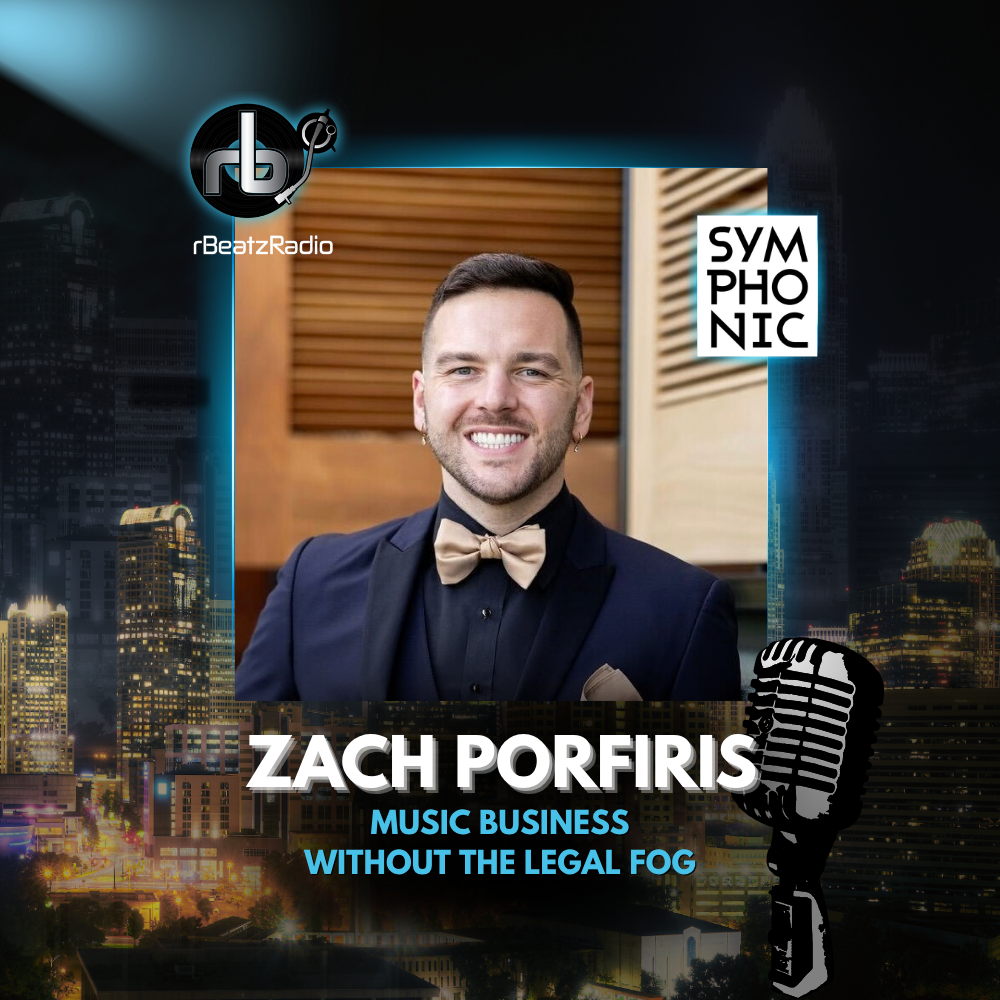
Zach Porfiris
Key Takeaways
- Independent doesn’t mean alone. Artists can maintain creative control while partnering with companies that provide expertise and infrastructure.
- Distribution is much more than uploading a song. Metadata, rights, marketing, royalties, analytics and release strategy all matter.
- Plan releases early. Zach recommends getting content and metadata to the distributor four to six weeks before release.
- Be careful with guaranteed-stream promises. Artificial streaming can create serious problems, even when an artist doesn’t realize what a promotional service is actually doing.
- AI can be a tool when used responsibly. Disclosure, human creativity and understanding ownership are critical.
- Know what you’re licensing. AI training and data-set licensing can have consequences that aren’t easily reversed.
- Treat your music career like a business. Consistency, diligence and audience engagement matter more than simply hoping for a viral moment.
- Use your analytics. Streaming and audience data can help determine where to tour, where to market and where to invest.
- Find your tribe. Not every listener is going to become a dedicated fan, and that’s okay. The goal is to identify and build relationships with the people who truly connect with the music.
- Think globally. Digital distribution means artists can reach listeners far beyond their home market.
- Don’t let the numbers replace the art. Data can help tell an artist’s business story, but the music and personal story still matter.
Zach Porfiris on Music Distribution, AI, Artist Rights and Building a Career on Your Own Terms
Music has changed dramatically, but navigating the music business can still feel like trying to read a contract written in another language. On this episode of Oui Talk Raw, Terry Hudson sits down with Zach Porfiris, Head of Legal at Symphonic, for a wide-ranging conversation about what independent artists really need to understand as they build careers in today’s music industry.
Terry brings his usual behind-the-scenes perspective, drawing from his own experience as a manager, radio promoter and record-label managing partner. Zach brings a legal and business background to the conversation, but what makes the discussion especially useful is the way he breaks complicated industry issues down into practical terms for artists.
From digital distribution and metadata to artificial streaming, AI-generated music, copyright, analytics and international audiences, this conversation is ultimately about one thing: artists understanding that their music is also a business.
What Does It Really Mean to Be an Independent Artist in 2026?
The definition of an independent artist continues to evolve. For Zach, independence comes down to maintaining creative control while building the business behind the music.
“The baseline definition of independent to me is independent creative control over the music that you’re creating and what you’re doing with that music to build the business behind it.”
That distinction matters. Being independent doesn’t mean an artist has to do absolutely everything alone. Instead, today’s independent artist has access to distributors, technology, analytics, marketing resources and other professional services that can help them build a career without necessarily surrendering control of their music, image or release strategy.
Terry points out how dramatically distribution has changed. In the past, distribution was heavily tied to physical stores, conventions and industry gatekeepers. Today, artists can reach listeners around the world with a few clicks—but access doesn’t automatically equal understanding.
Distribution Is More Than Getting a Song Onto Spotify
One of the biggest takeaways from the conversation is that simply uploading music to a digital service does not mean an artist understands distribution.
Zach explains that a distributor can become much more than a delivery system. Symphonic works with artists on everything from metadata and release timing to marketing strategies, rights issues, royalties, analytics, physical distribution, publishing and sync opportunities.
For an independent artist, that expertise can be especially valuable because there are so many moving pieces behind a release.
Why Metadata and Release Planning Matter
One of the less glamorous parts of releasing music can also be one of the most important: metadata.
Zach recommends artists get their music and metadata to their distributor well ahead of the planned release date. He explains that Symphonic ideally wants the material four to six weeks before release, giving its teams time to work through technical requirements, collaborator information, metadata and potential issues with digital service providers.
That lead time also creates an opportunity to develop the marketing and release strategy rather than simply throwing a song onto the platforms and hoping something happens.
For artists, that means a release date shouldn’t be the beginning of the process. It should be the moment when a lot of preparation finally pays off.
The Business Side Doesn’t Stop When the Music Is Finished
Contracts, rights, split sheets, metadata and marketing drivers may not be the creative side of music, but they can directly affect an artist’s ability to monetize that creativity.
Zach emphasizes that the relationship between an independent artist and distributor needs to be a partnership. Artists have responsibilities too: being responsive, keeping rights organized, providing accurate information and understanding what they have agreed to.
That approach also reflects the philosophy Zach describes at Symphonic—making contracts understandable enough that artists and their representatives can recognize what the relationship actually means before signing.
Artificial Streaming: When More Streams Can Become a Problem
The conversation takes a serious turn when Terry and Zach discuss artificial streaming fraud.
Zach explains that artificial streaming manipulates the royalty pool by generating fake streams, potentially taking money away from legitimate artists. He discusses the federal case involving Michael Smith and the broader efforts within the music industry to identify and combat streaming fraud.
But there’s an important distinction between deliberate fraud and artists who may unknowingly sign up for questionable promotional services.
An offer promising a certain number of streams for a certain amount of money might sound attractive to an artist trying to grow. Zach warns that those kinds of promises should raise questions.
Artists need to know where their streams are coming from and understand that a marketing service promising guaranteed numbers isn’t necessarily helping their career.
Artists Need to Watch Their Own Data
Zach discusses Symphonic’s StreamSafe tools, which can give artists insight into artificial streaming activity and help them look back at changes in their streaming data.
That information can help artists ask better questions:
- Did a new playlist suddenly appear?
- Did a promotional service recently get hired?
- Did streaming numbers change dramatically?
- Was the artist actually responsible for the activity?
- Could a third party have generated questionable streams?
The goal isn’t simply punishment. Zach describes education and collaboration as important parts of dealing with these situations and helping artists get back on the right path.
AI and Music: Tool, Threat or Something In Between?
The discussion around artificial intelligence may be one of the most timely parts of the episode.
Zach doesn’t approach AI as simply good or bad. Instead, he focuses on how it is used.
Symphonic allows certain AI-assisted music as long as the artist properly discloses its use and the music maintains an appropriate level of human creativity and authenticity. That can include AI being used in lyrics, composition or artwork.
For an independent artist who doesn’t have the budget for a full band, expensive studio sessions or additional production resources, AI can potentially help expand what they are able to create.
Terry also points out that the music industry has faced technological disruption before, mentioning tools such as Auto-Tune and drum machines. The larger question isn’t necessarily whether technology exists, but how artists and the industry learn to use it responsibly.
Human Creativity Still Matters
One of the clearest lines in the conversation is the distinction between using AI as a creative tool and simply generating something without meaningful human involvement.
Zach discusses the importance of human authorship and creativity, particularly as copyright and industry policies continue to evolve.
He also warns artists to understand what they are agreeing to when their music is used for AI training or data-set licensing. Once music has been incorporated into a training model, removing it isn’t as simple as taking a song off a streaming service.
That makes disclosure and understanding the terms especially important.
AI Voice Cloning and Deepfakes Raise Another Set of Questions
The conversation also moves into the growing problem of using AI to imitate another artist’s voice or sound without permission.
Zach points to legislative efforts such as the No Fakes Act and discusses the broader push within the music industry to protect musicians’ rights.
For artists, the takeaway is simple: technology may create new opportunities, but it also creates new responsibilities around intellectual property, identity and ownership.
Artists Are Entrepreneurs Whether They Like It or Not
Terry makes a strong connection between music and entrepreneurship, and Zach agrees that artists should think about their careers as businesses from the beginning.
A viral song can certainly change a career, but neither Terry nor Zach presents virality as a business strategy.
Instead, Zach talks about diligence, determination, perseverance and consistency.
Building an audience means engaging with the people who are already paying attention. Something as simple as asking fans to choose between two versions of a musical idea can create interaction and help establish a relationship between artist and audience.
The important point is that an artist’s audience isn’t just a collection of numbers. Those early listeners can become the foundation of a long-term fan base.
Data Can Help Artists Find Their Tribe
Modern distribution provides artists with access to information that simply wasn’t available in the same way during the physical-distribution era.
Artists can now examine:
- Where their listeners are located
- Audience demographics
- Streaming activity
- YouTube views
- Social media engagement
- Monthly listeners
- Superfan behavior
- Geographic trends
That information can influence everything from touring decisions to marketing budgets.
If an artist discovers that a significant portion of their audience is in a particular city or country, that information can help determine where they should focus future efforts.
Don’t Confuse Data With the Entire Story
At the same time, Zach offers an important caution: an artist shouldn’t become so focused on numbers that they forget the human story behind the music.
“I don’t want artists to get lost in numbers and data and metrics because there is an art behind this too.”
An artist’s background, experiences and personal story can become part of the narrative that helps people connect with them.
The strongest business strategy may be a combination of both: use the data to understand the audience, but use the story and the music to give that audience something meaningful to connect with.
The World Is Bigger Than Your Local Music Market
Another major takeaway is that independent artists shouldn’t think only about their immediate geographic market.
Because digital music is accessible around the world, an artist in North Carolina may discover listeners in places they never expected.
Zach talks about Symphonic’s growing international presence across territories including APAC, LATAM, Africa and Australia. The larger point is that artists should pay attention to where their listeners actually are rather than assuming their audience exists only in their hometown or region.
That can affect touring, marketing, collaborations and where an artist chooses to invest limited resources.
Your Music Career Is a Business—But It’s Still About the Music
The conversation between Terry Hudson and Zach Porfiris ultimately lands somewhere between legal education, business strategy and a reminder not to lose sight of why artists create in the first place.
Independent artists have more control and more access than ever before. But that freedom comes with responsibility.
Artists need to understand their contracts.
They need to protect their rights.
They need to understand their metadata.
They need to watch their streaming activity.
They need to understand how AI is being used.
They need to pay attention to their analytics.
And they need to build genuine relationships with their listeners.
But they also need to remember that behind every metric is a person listening to the music.
Terry’s goal on the show is to pull back the curtain on an industry that can often feel confusing, and Zach fits naturally into that mission. He takes complicated legal and business concepts and translates them into something artists can actually use.
For Charlotte and the Carolinas music community, there’s an added local connection. Zach is based in Charlotte and says he wants to remain a champion for artists in the region while bringing his legal and music-business experience to the community.
More Artists and Show Episodes