The Emotional Context Behind “Wildflower”
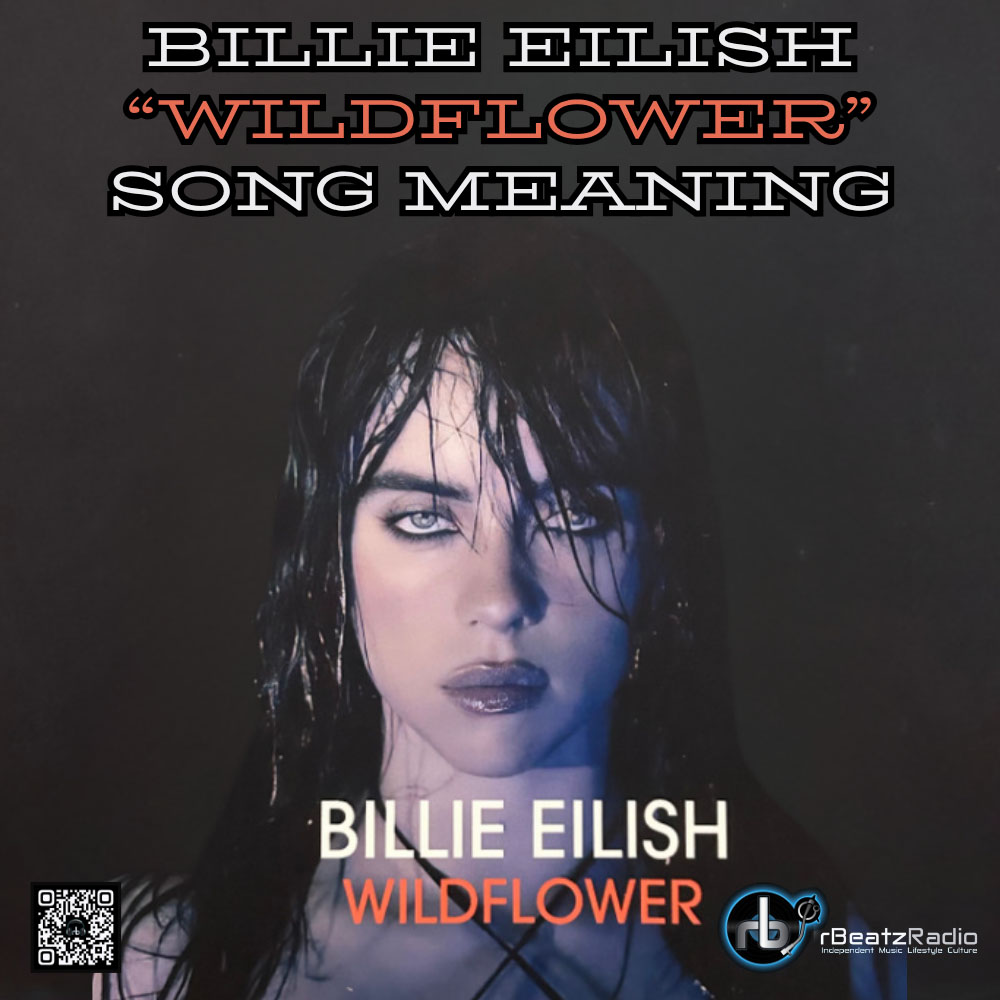
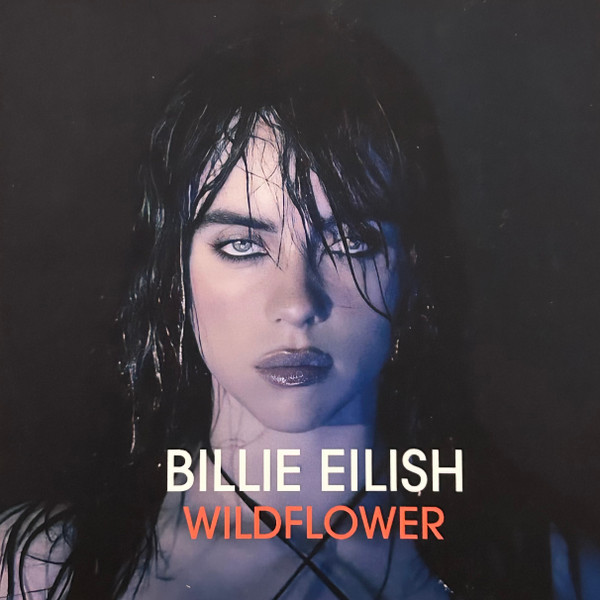
“Wildflower” appears on Billie Eilish’s third studio album, Hit Me Hard and Soft, where relationships are often presented through conflicting emotions rather than simple love or heartbreak. The song is a strong example of that approach. Instead of celebrating a new relationship, Eilish focuses on the guilt, insecurity, and comparison that can follow someone into it. The result is a love song complicated by the persistent presence of another person.
Although “Wildflower” has a recognizable relationship narrative, Eilish leaves enough ambiguity for its emotions to extend beyond any one person. The song moves through guilt, jealousy, comparison, and uncertainty as the narrator becomes increasingly preoccupied with her partner’s previous relationship. That tension between a specific story and universal emotions is part of what makes “Wildflower” feel so intimate.
Despite the universal appeal of this record, you may have wondered, “Who is Billie Eilish singing about?” when you pressed play or dropped the needle, perhaps thinking of past relationships or breakups. The story behind “Wildflower” has widely been interpreted as reflecting Eilish’s relationship with Jesse Rutherford and her connection to his ex-girlfriend, Devon Lee Carlson. Eilish and Rutherford publicly dated after his relationship with Carlson ended, while Eilish and Carlson were also known to have been friendly. However, Eilish has not definitively confirmed that Rutherford and Carlson are the subjects of “Wildflower,” so the connection is best understood as a popular interpretation rather than an established fact.
Billie Eilish Wildflower Lyrics Meaning and Symbols
Throughout “Wildflower,” Billie Eilish uses intimate details and recurring questions to explore guilt, jealousy, comparison, and blurred boundaries between friendship and romance. The song has widely been interpreted in connection with influencer Devon Lee Carlson, whose ex-boyfriend Jesse Rutherford later started dating Eilish. Rather than simply describing a new relationship, the lyrics show how the past can remain present and remind someone of the complicated circumstances surrounding a romance.
- “She was cryin’ on my shoulder” — The opening establishes an important part of the story: Eilish was initially supporting another woman through the end of a relationship. Many listeners associate this woman with influencer Devon Lee Carlson, who previously dated The Neighbourhood frontman Jesse Rutherford.
- “Till July” — This brief reference marks a transition in the story. After Carlson and Rutherford separated, Eilish and Rutherford eventually started dating, making the earlier friendship and support described in the song feel more emotionally complicated.
- “Did I cross the line?” — This question captures the central conflict of “Wildflower.” Eilish appears to wonder whether dating the ex-boyfriend of someone she knew crossed an emotional boundary, even if the previous relationship had already ended.
- “But I see her in the back of my mind” — The other woman remains psychologically present in the new relationship. The line can remind listeners of the uncomfortable comparisons that sometimes arise when they know their partner’s ex, which turns the past into something difficult to separate from the present.
- “Like a fever” — Eilish compares these recurring thoughts to something persistent and difficult to control. The image reinforces how guilt and insecurity can become consuming, especially when a new relationship has connections to an existing friendship or social circle.
- “Do you see her in the back of your mind?” — Here, Eilish’s insecurity expands beyond her own thoughts. She wonders whether her partner is also thinking about his previous relationship, turning personal guilt into anxiety about how the ex-boyfriend remembers the woman who came before her.
The rumored real-life context adds another layer to these lyrics. Eilish and Rutherford were publicly linked after being spotted together and later appeared as a couple at a Halloween party. Against this backdrop, “Wildflower” has been interpreted as Eilish questioning the emotional consequences of a relationship that began after she already knew his former partner.
Together, the lyrics make “Wildflower” less of a conventional love song and more of an exploration of what happens when a new relationship carries emotional baggage from the one that came before it. Eilish never gives herself a simple answer about whether she crossed a line. Instead, guilt, attraction, jealousy, and insecurity remain unresolved, which is central to the meaning of “Wildflower.”
Guilt, Jealousy, and Comparison in “Wildflower”
Above all else, “Wildflower” is a song about emotional dependence. It presents both sides of this story, showing how a dependent relationship can feel both safe and destabilizing. It’s an authentic interpretation of a complex issue, which is why it resonates with so many listeners. Eilish’s vulnerability is central, with listeners able to project their personal experiences onto the lyrics. This is how many great pop songs are structured. Individual lines are open to interpretation, and wider meanings are felt deeply without overt statement.
This song speaks to emotional closeness without resolution, which is often the reality of life and love. The songwriting doesn’t sugarcoat issues or dumb things down for listeners. Instead, it encourages emotional identification over narrative understanding. By emphasizing ever-present emotional states over fleeting linear narratives, Billie Eilish relates to her audience through a deeper form of storytelling. Just like the best songs about birds, wildflowers are a universal metaphor capable of reflecting the human condition.
How the Sound of Billie Eilish’s “Wildflower” Shapes Mood and Atmosphere
The lyrics of this track set the emotional tone, and they do most of the heavy lifting. The music is also incredibly important, however, with the singer’s brother and producer Finneas O’Connell acting as the hidden star of the show. “Wildflower” uses restrained instrumentation to maximum effect, allowing Eilish’s soft vocals to remain at the center of the track. The spacious arrangement gives the lyrics room to breathe and reinforces the sense that the listener is hearing thoughts Eilish is struggling to say aloud.
O’Connell is a master of his craft. He uses silent passages and deliberate pacing to create intimacy and tension.
The restrained production builds atmosphere without overwhelming the emotional conflict at the center of the song. As Eilish’s thoughts become more uncomfortable, the arrangement keeps the focus on her voice and the tension within the lyrics. Rather than turning guilt and jealousy into melodrama, Eilish and Finneas use restraint to make those emotions feel private and immediate.
Why Billie Eilish’s “Wildflower” Song Resonates Long After the Song Ends
“Wildflower” is a pop production designed for commercial sales and mass appeal. It’s also a valuable work of art, and it resonates with listeners long after the record fades, evoking feelings of nostalgia and guilt. Its impact comes from emotional recognition rather than dramatic storytelling. The song gives listeners space to connect their own experiences of jealousy, guilt, comparison, and complicated relationships with Eilish’s story. The song’s emotional openness allows listeners to project their own experiences onto it. This makes it feel personal rather than performative, which is one of the reasons it sticks around in the memory.
Unresolved emotions are central to this track, which isn’t afraid of complexity and doesn’t offer easy closure. “Wildflower” mirrors real emotional experiences. It connects with listeners through longing, and it maps the borders of emotional attachment and uncertainty. This track fits naturally with songs about missing someone you love or sad songs to help you embrace your emotions. It may not be the saddest Billie Eilish song, but it’s unashamedly emotional, wistful, and complex just like life.
All in all, the power of this song lies in restraint, a quality that highlights the emotional weight of its verses. It refuses to explain itself and doesn’t make things easy, which invites repeated listening and real connection. “Wildflower” has an emotional honesty that’s rare in pop recordings, and it will remain impactful for years to come. As a pop song, Billie Eilish’s “Wildflower” has a meaning that cuts through — far beyond social media trends or chart success.
This song reflects deep and timeless emotional truths. It’s not a fixed story with known characters and routine outcomes; it’s a song that adapts to listeners and their experiences. “Wildflower” is a great example of what good pop music can be, and it will have a quiet but lasting presence within Billie Eilish’s excellent growing catalog.