The world of music is incredibly large and diverse. Different terms are used to define music types, with people categorizing songs into a variety of styles and forms. In this huge world of sound, pop music is the most widespread genre of them all. Pop is a form of popular music, and it describes a wide array of tunes designed for the mainstream market. With danceable rhythms, catchy melodies, and memorable lyrics, pop music is designed for broad accessibility and mass commercial appeal.
In this article, we’ll dive into the wonderful world of pop and the people who make it. While it can be the lightweight choice, pop has a massive influence on music culture all over the world.
What Is Pop Music?
Before we learn more about pop music, it’s important to differentiate it from the broader term “popular music.” The latter term is used to designate any music with mass appeal, often in contrast to classical forms or “art music.” The term “pop music” has a slightly different definition as a specific genre of popular music originating in the post-World War II period.
Pop music is a diverse genre that’s changed a lot over the decades. It has stylistic and expressive diversity, but it also adopts a number of specific musical elements. Among other things, pop music has a recognized form and basic musical material. It contains basic melodies, chords, and rhythmic structures, along with memorable lyrics you can sing or hum along to.
Despite these elements, modern pop music is also highly versatile. The more pop has cemented itself as a genre, the more it’s been influenced by adjacent genres. For example, contemporary pop music borrows heavily from hip-hop, R&B, rock, electronic, and dance music forms. Most pop songs lean into one or more of these genres quite a great deal, with pure pop songs much rarer than you might think.
The Origins and History of Pop Music
The pop music origin story begins over 70 years ago. This novel style of music first emerged in the 1950s, where it was influenced by post-WWII culture and new recording technologies. Improved microphone design in the 40s allowed a more intimate singing style, and 45 rpm records helped to highlight singles over albums.
The widespread availability of television in this decade was another massive influence; musicians shared their singles with a new, much larger audience. Early pop music borrowed heavily from blues, rock, and soul, as emerging white musicians appropriated black music culture. In the ’60s, most mainstream pop music was either rock/blues groups or individual singers backed by an orchestra.
Basic pop structures changed dramatically in the late ’60s with the advent of progressive pop. At this time, musicians and producers introduced colorful instrumentation and purposeful hooks to capture audience attention. This was the mainstream breakthrough, with the American and British pop industries now influencing markets in Latin America, Europe, and Asia. Changes kept coming in the 1970s, including the widespread adoption of synthesizers and other electronics.
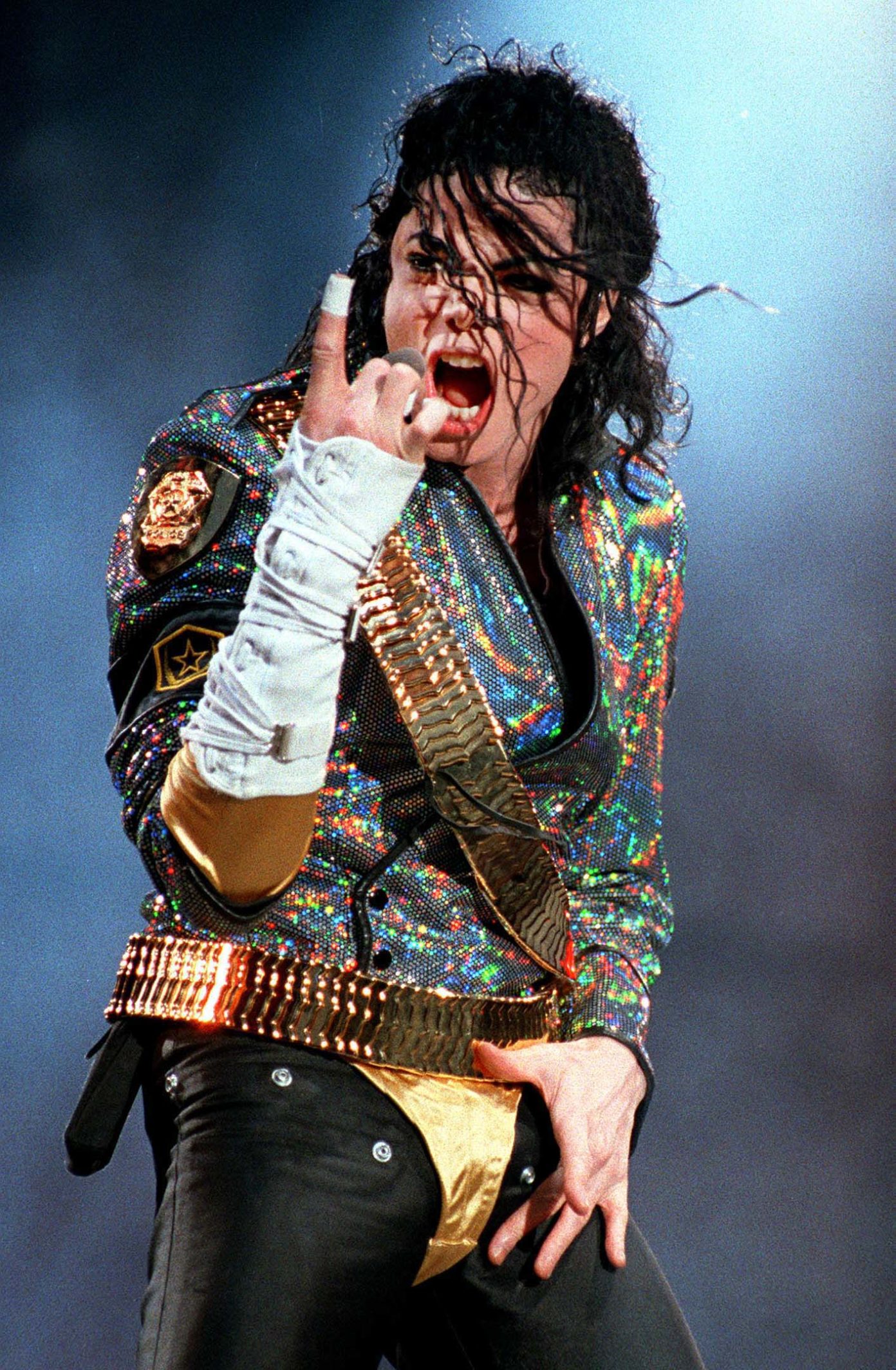
In the history of pop, the 1980s is seen by many as the peak. While there was already a huge worldwide pop industry, it was hard to define “pop” stylistically before this decade. The 1980s saw the birth of pure pop stars, including huge names like Michael Jackson and Madonna. While these artists borrowed heavily from R&B, soul, and rock among other genres — for the first time — artists were described as “pop” first. This was also the MTV generation, with music videos transforming sonic artists into visual icons with mythical status.
The 1990s saw the proliferation of sampling. Pop artists borrowed loops and vocal snippets from other genres and generations. This period also saw the introduction of digital recording and music distribution, first via CDs and then through digital streaming. As the years went on, hip-hop and R&B had an increasing influence on pop music culture, and now they’re largely indistinguishable.
Key Characteristics of Pop Music
For a song to sound “pop,” it must have a certain structure. Relatable lyrics are also important, with most pop songs dealing with emotional subjects like love, relationships, and life challenges. From a musical perspective, the clever use of simple harmonies, melodies, and rhythms is key. The following elements are central to every pop song:
Simple melodies: The vast majority of pop tunes have simple melodic and harmonic forms. While there are some known exceptions to this rule, for the most part, pop is very simple compared to classical forms or jazz music. Simple melodies are easier to remember and hum along to, which makes them easier to market and impossible to ignore.
Repetitive rhythms: Along with basic melodies and harmonies, pop music also features strong, repetitive beats. Traditionally, most modern pop music would be considered a form of dance music. It makes you tap your feet, helps you get up and move, and energizes your body and mind for work and recreation.
Memorable lyrics: The vast majority of pop music features singing, including songs about friendship, love, and sex. This is one of the chief differences between art music and popular music, with modern pop songs taking this idea to the extreme. With sing-along choruses, rhythmic verses, and lots of aahs, oohs, and woos, pop music is made to remember.
Recognized forms: While pop tunes can play around with structure, they mostly feature the same basic form. With an intro and outro, verses and chorus, and connecting solos and bridges, pop music is very standardized and rarely experimental. Production quality is also very important to modern recordings, as is distribution via radio or streaming services.
Why Pop Music Is So Popular
Lots of individual elements make up a pop recording, and they all play a role in the final product. From familiar musical tropes to vocal hooks and emotional lyrics, these elements have solidified over time to cement the genre. Pop music is also highly commercial, being made especially for radio, TV, and streaming platforms.
These core elements help explain the popularity of pop:
Familiarity: Good pop music is recognized immediately. It has a simple 3- to 4-minute structure, complete with verses and choruses in a standard format. This blueprint makes an immediate impact without shocking the senses, and it creates a lasting impression without stretching your attention span.
Listenability: Pop songs are not just familiar; they’re also easy to digest. Whether it’s a catchy melody, a danceable rhythm, or a great piece of storytelling, this music rewards listeners without asking too much. Modern pop music has refined this process, with many tracks produced in templates based on known pop tricks.
Relatability: Pop music is mainstream by definition, so it needs to be relatable. This process happens through the lyrics, which refer to universal subjects like love, sex, and relationships. There are other ways to resonate with human listeners, however, with certain chord progressions and rhythms felt deep inside the body.
Types and Subgenres of Pop Music
Despite its commercial nature, pop music is not always easy to define. While modern pop is a definite genre, it has lots of influences from across the musical spectrum. The type of music that inspires and informs pop also changes over time, from the early days of pop/rock to contemporary hip-hop and R&B-laced productions.
The following sub-genres of pop deserve special mention:
Pop rock: The original form of pop borrowed heavily from rock & roll, with a little soul and big band thrown in for good measure. Acts like Chuck Berry and The Beatles started it off, and Coldplay songs keep it alive today.
Synth pop: This distinct form of pop music emerged in the late ’70s or early ’80s, with synthesizers adding sparkling colors to traditional guitar sounds. Electro pop is a close cousin, emerging in recent decades as a throwback to ’80s/’90s sounds.
Dance pop: This is a broad descriptor for electronic pop music inspired by disco, house, or techno. While EDM (electronic dance music) is closely related, it’s the pop form of dance music, not the dance form of pop!
Indie pop: As rock music became the less dominant sub-genre of pop, a new guitar-heavy style emerged into the mainstream. Indie pop blends accessible tunes with a DIY ethos, often borrowing heavily from folk, blues, and country styles.
K-pop/J-pop: Pop music is a global phenomenon, and the purest form is no longer made in the West. Boy and girl bands are regularly debuted in Korea and Japan, where they have huge sales and massive cultural influence.
Hip-hop/R&B: Contemporary urban music is almost pop by definition. While underground hip-hop and R&B still exist, these genres are so commercially successful that they’re often equated with pop music.
Along with these important sub-genres, many other forms of pop music are also available. From art pop and dark pop to country pop and experimental pop, there are more artists playing with this genre than ever before. There are also lots of famous meme songs linked with pop music, including “Crazy Frog” and “Gangnam Style.”
The Most Famous Pop Artists and Songs
The following 10 artists defined the pop music of yesteryear and today. I have included one iconic track from each artist, but there are dozens of popular songs to explore.

The Cultural Impact of Pop Music
Pop music has changed the world in many ways. Along with the music itself, it has influenced fashion, dance, and social movements both online and off. The world of pop is also heavily entwined with media, with new technologies and distribution methods used to transform bedroom artists into huge global stars. This music is always in the global spotlight, and the huge sales numbers involved make it impossible to ignore.
Pop artists become massive global stars, as the world pays close attention to what they wear and how they move. This has obvious implications for global fashion, with a single video clip or album cover capable of inspiring entirely new looks. Pop stars also influence dance moves through videos and social media clips, and they even influence politics and wider culture through their quotes and interviews.
Whether you love it, hate it, or treat it with indifference, pop is the most universal and influential music genre of them all. New directions in pop will define the future of music, as commercial stars inspire other artists and borrow from other genres in the endless feedback cycle of music creation.