
Lessons Learned From Working in the Music Industry
Meet Greg Tecoz: From Switzerland to Atlanta’s Hip-Hop Scene
Greg Tecoz
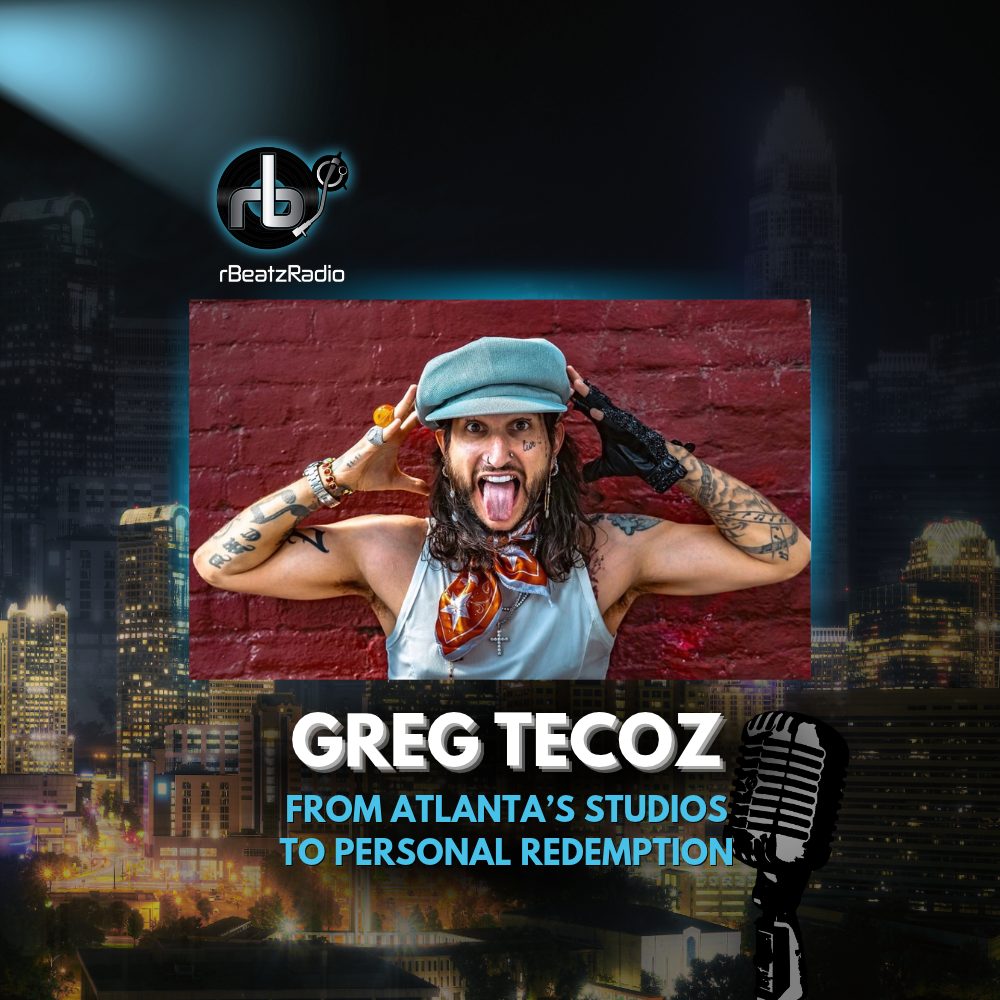
Greg Tecoz is a Switzerland-born, Atlanta-based artist, producer, and songwriter who has helped shape the sound of Atlanta’s influential hip-hop scene. Formerly known as Gfresh, he spent years behind the scenes producing music and collaborating with some of the industry’s biggest names, including Young Thug, Migos, Gucci Mane, 2 Chainz, and Shawty Lo.
Now stepping forward as an artist in his own right, Greg is embracing a new chapter defined by music, sobriety, faith, and purpose. His evolving sound blends melodic pop influences with hip-hop roots, cinematic production, and honest storytelling.
His upcoming EP, 12 Months Sober, reflects his personal journey of transformation, resilience, and rediscovering his purpose. His single, “I Can Feel It,” introduces listeners to this new musical direction and the person behind the music.
Through his experiences as both a producer and recording artist, Greg Tecoz hopes to create music that connects with people, encourages positive change, and reminds listeners that a new chapter is always possible.
Key Takeaways
- Your influences shape your sound: Listening to different genres, cultures, and musical eras can help artists develop a more original identity.
- Atlanta’s music scene grew through community: Collaboration, grassroots promotion, and relationships helped establish the city’s influence in hip-hop.
- Consistency develops talent: Greg improved his production skills by continually challenging himself and learning from other producers.
- Every experience is a lesson: Even missed opportunities can provide valuable insight into the music business and personal growth.
- Independent artists need genuine performance opportunities: Live shows help musicians develop their skills and build real connections with audiences.
- You don’t need an expensive studio to start: Affordable recording tools make it possible to create music from home.
- Sobriety can open the door to a new creative chapter: Greg’s upcoming EP reflects his journey toward rediscovering himself.
- Faith means believing even when you cannot see the outcome: Trust, patience, and discernment can help guide personal and professional decisions.
- Don’t put yourself in a musical box: Artists should create from their own experiences and passions rather than chasing trends.
- Have fun with the process: Enjoying what you create can bring authenticity and personality into your music.
- Build relationships, not just streaming numbers: Direct fan connections, physical music, merchandise, and live experiences all contribute to a sustainable career.
- Music can make a difference: Sometimes the greatest impact an artist makes is helping someone get through a difficult day.
Greg Tecoz on Music, Sobriety, Faith, and Finding His Purpose | Oui Talk Raw
What happens when someone who helped shape Atlanta’s hip-hop and trap scene decides it’s time to reinvent himself? For Greg Tecoz, the answer involves music, faith, sobriety, and a renewed sense of purpose.
On this episode of Oui Talk Raw, host Terry Hudson sits down with Greg Tecoz, also known as G-Fresh, an Atlanta-based producer, songwriter, and recording artist originally born in Geneva, Switzerland. Known for his work alongside some of hip-hop’s biggest names, including Gucci Mane, Migos, 2 Chainz, Shawty Lo, and Young Thug, Greg has spent years helping develop sounds that would influence an entire generation of music.
But this conversation isn’t just about his production credits or Atlanta’s musical legacy. Greg is entering a new chapter, one that brings him back to his roots as an artist while embracing a much more personal message. Through sobriety, faith, and a commitment to having fun with music again, he’s creating something that reflects the person he is today.
With Terry’s thoughtful questions and Greg’s energetic, unapologetic personality, the conversation explores the music business, the importance of authenticity, the realities of independent artistry, and the power of finding your way back to yourself.
From Switzerland to Atlanta: The Making of Greg Tecoz
Greg Tecoz was born in Geneva, Switzerland, but describes himself as Swiss-made and Atlanta-raised. While his birthplace is part of his story, Atlanta played a much bigger role in shaping his musical identity.
His journey into music started early. At just 17, Greg was part of a group called Mixed Minds, where he served as both producer and artist. Interestingly, his early rap style was heavily influenced by DMX. Greg openly acknowledges that when artists first begin creating, they often sound like the musicians they listen to most.
Over time, however, consistency and experimentation help artists develop their own identities.
Terry and Greg discuss how important it is for musicians to expand their musical influences beyond what’s immediately familiar. Greg finds inspiration everywhere, whether it’s a conversation with a friend, a movie, a melody heard while walking through a store, or music from another culture.
That openness to inspiration has helped shape his approach to producing and performing.
Why Artists Should Listen Beyond Their Own Genre
One of the interesting points in this conversation is the importance of musical discovery. Terry explains how he used to combine unexpected influences when producing, bringing together sounds from different eras and musical traditions to create something new.
Greg shares that he approaches creativity in much the same way. Inspiration doesn’t have to come from another hip-hop artist or even another musician.
For independent artists, the lesson is simple: expanding your influences can help you discover a sound that is uniquely yours.
Greg Tecoz and the Evolution of Atlanta Trap Music
Atlanta has become one of the most influential cities in modern hip-hop, and Greg has firsthand experience with the movement that helped establish its reputation.
As a producer working under the name G-Fresh, he was involved in the Atlanta music scene during the development of trap and its different subgenres.
Greg identifies himself as one of the innovators of futuristic trap, explaining that the genre has continued to evolve through different sounds and influences, including drill and other variations.
He also discusses his connections with artists such as Gucci Mane, Migos, 2 Chainz, Shawty Lo, and Young Thug, describing an environment where producers and artists constantly influenced one another.
Greg emphasizes that he was part of the movement early, distributing beat CDs, building relationships, and putting himself in the right places.
Atlanta’s Music Industry: Building a Movement from the Ground Up
When Terry asks what made Atlanta such a powerful hub for hip-hop, Greg doesn’t hesitate.
Atlanta has remained a major force because of its artists, its culture, and the energy surrounding its music scene.
The conversation also looks at how success once developed through underground communities. Artists would build momentum in the streets, gain attention locally, and eventually attract radio and record-label interest.
Terry points out that Atlanta’s grassroots approach was something other cities could learn from. He remembers seeing the determination and collaboration happening at music conferences, particularly the Billboard Hip-Hop Conference, where people were actively building opportunities rather than waiting for someone else to create them.
Greg agrees that community played an important role.
He believes Atlanta was particularly successful when artists and industry professionals supported one another rather than focusing exclusively on individual success.
As he puts it:
“You stick together, you stay forever.”
It’s a simple statement, but one that reflects an important part of the conversation: music scenes grow stronger when people work together.
Behind the Scenes: Studio Stories, Gucci Mane, and Lessons Learned
Greg has plenty of stories from his years working in Atlanta’s music industry, and Terry gives him room to share some of the more memorable experiences.
One story involves Gucci Mane and an open-mic environment where artists and producers were regularly connecting.
After running into Gucci several times and discussing working together, Greg eventually joined him in the studio. What followed was an incredibly productive night.
According to Greg, they recorded approximately 15 tracks, with Gucci choosing beats and freestyling throughout the session.
However, the story took an unexpected turn when Greg asked for some money at the end of the night because he was struggling financially.
Gucci threw him a large wad of cash, and Greg says they never worked together again.
Looking back, Greg recognizes the experience as a missed opportunity and a lesson in understanding the business side of music.
He even jokes that he could have become the next Zaytoven.
Rather than dwelling on what might have happened, Greg views it as part of his journey. Every experience offers something to learn, and there are always opportunities to move forward.
How Greg Tecoz Developed His Production Skills
Greg’s development as a producer wasn’t built around modern tutorials or the abundance of online resources available today.
He explains that he spent time at Guitar Center with friends, experimenting with keyboards and equipment. Eventually, he met Mark, who became his manager and introduced him to Quick Flip, a label with professional studio equipment.
There, Greg learned from producers who helped him understand the equipment and develop his skills.
He also remembers being one of the early hip-hop producers working with Fruity Loops before transitioning into hardware equipment like MPCs.
His approach to improvement was straightforward: listen, practice, and keep working.
Greg would hear other producers’ beats and challenge himself to create something that could compete with what he had just heard.
He even describes falling asleep on the MPC and waking up to continue working.
His first beat sale came through a connection at Guitar Center. After creating a beat inspired by the sound of Lil Jon and the East Side Boyz, someone expressed interest in purchasing it. Greg worked out a deal that resulted in the buyer purchasing his keyboard in exchange for the beat.
It was an unconventional beginning, but it illustrates how opportunities can come from simply putting yourself in the right environment and staying ready.
The Changing Music Business: Open Mics, Pay-to-Play, and Independent Artists
One of the more important discussions between Terry and Greg centers on how the music industry has changed for independent artists.
Greg remembers a time when open mics were genuine opportunities for artists to get discovered. Industry professionals, A&R representatives, and established producers attended these events, and artists could actually secure record deals through their performances.
He references Atlanta venues and showcases where artists were developing their careers and getting noticed.
Today, he feels many of those opportunities have shifted toward a pay-to-play model, where performers are expected to sell tickets or pay fees just to get on stage.
Why Live Performance Opportunities Matter
Terry explains why this is particularly damaging to developing musicians.
Live performance is where artists learn how to connect with audiences, improve their stage presence, and develop the skills needed to build a sustainable career.
The traditional relationship between recorded music, radio, and live performance has always been connected. Music introduces people to an artist, and live shows give those listeners an opportunity to experience the artist in person.
When artists have to spend significant money just to perform, it can take away resources that could otherwise go toward recording, marketing, equipment, and developing their careers.
Greg agrees that the industry needs more genuine performance opportunities.
He also points out that artists don’t necessarily need expensive professional studios to begin recording.
With affordable software and basic equipment, musicians can create quality recordings from home. He even shares an example of an artist who records using a phone and headphones.
The message from both Terry and Greg is clear: don’t let the lack of a traditional studio or expensive equipment become an excuse to avoid creating.
Greg Tecoz’s New Chapter: Sobriety, Faith, and Finding Purpose
Perhaps the most personal part of the interview comes when Terry shifts the conversation toward Greg’s transformation.
Although Greg has experienced significant success as a producer, his journey hasn’t always been easy.
He openly discusses a period in his life when he came close to losing everything, including his relationship, career, sanity, and even his life.
He describes himself as someone who was once living like a rock star, taking risks and creating situations where investing in him would have been a liability.
That realization became a turning point.
Rather than continuing down the same path, Greg began making changes that would allow him to rebuild his life and reconnect with what mattered most.
How Sobriety Changed Greg’s Relationship with Music
Greg’s upcoming EP, 12 Months Sober, represents an important part of that transformation.
He describes the project as a blueprint of how he got sober, documenting the process of rediscovering himself and reconnecting with his emotions.
The project isn’t simply about stopping certain behaviors. It’s about finding hope, love, passion, faith, and confidence again.
Terry recognizes the difference in Greg’s personality and creative energy, particularly when discussing his newer music.
The enthusiasm Greg brings to the conversation is reflected in the direction of his solo work.
For him, this new chapter is about more than making music. It’s about creating from a healthier and more purposeful place.
The Role of Faith and Following Your Intuition
Faith becomes another major topic as Terry and Greg discuss how their personal beliefs have influenced their lives.
Greg speaks passionately about the importance of maintaining faith even when circumstances aren’t going the way you expected.
He believes that people sometimes trust the process only when things are working in their favor. But real faith means continuing to believe even when you cannot yet see the outcome.
Terry connects this idea to the biblical story of Joseph, explaining how difficult experiences can sometimes become necessary steps toward a greater purpose.
Joseph’s journey involved betrayal, imprisonment, and years of uncertainty before eventually becoming a position of influence in Egypt.
Terry uses the story to illustrate how a difficult season doesn’t necessarily mean someone is moving in the wrong direction.
Discernment, Relationships, and Learning to Trust Your Gut
The conversation also touches on the importance of recognizing the people around you.
Greg talks about praying for discernment and learning to recognize when something or someone doesn’t feel right.
He encourages people to pay attention to those feelings rather than ignoring them.
For artists, this can be particularly important. The music business is filled with relationships, opportunities, and people who may not always have your best interests in mind.
Having the ability to recognize genuine support versus people who simply tell you what you want to hear can make a significant difference.
Terry adds that faith isn’t limited to religion. It can also be an essential part of pursuing a career or a dream that hasn’t yet become a reality.
Believing in something before you have tangible proof that it will happen is part of what keeps people moving forward.
“I Can Feel It”: The New Music of Greg Tecoz
One of the highlights of the conversation is Greg’s current single, I Can Feel It, which is part of his upcoming EP, 12 Months Sober.
Greg explains that the song represents the moment when he started feeling like himself again.
It’s about rediscovering hope, love, passion, faith, and the belief that something better is possible.
Terry has clearly connected with the record, mentioning that he listened to it repeatedly while walking and describing its motivational energy.
He also compliments Greg’s vocal approach, particularly his high tenor voice, unexpected lower notes, and expressive delivery.
Greg’s performance style is distinctive. Rather than simply singing through a song, he brings personality and character into the vocals, almost as if he’s acting out the emotions behind the lyrics.
A Different Approach to Recording Vocals
Greg also shares an interesting detail about his creative process.
When he finds a beat he likes, he generally makes that decision quickly. However, he deliberately avoids repeatedly listening to the instrumental before recording.
He asks the engineer to turn the beat down while preparing the session so that when he enters the recording booth, he can experience it almost as if he’s hearing it for the first time.
He then records based on how he feels in that moment.
If he catches the right feeling, he knows it’s the one. If he doesn’t, he moves on.
It’s an unconventional process, but it reflects his belief in trusting creativity rather than overthinking it.
Breaking Genre Barriers Through Authenticity
Greg describes his evolving musical identity as a fusion of pop and hip-hop, but he doesn’t believe artists should be restricted to a particular genre.
He feels musicians should create what they genuinely enjoy rather than trying to fit into whatever sound happens to be popular.
Terry strongly connects with this perspective.
He discusses how artists can become discouraged when they constantly chase current radio trends, especially when those trends change so quickly.
He also points out that some of the most successful musicians initially struggled to find an audience because their sound was different from what listeners were accustomed to hearing.
The takeaway is that authenticity sometimes requires patience.
An artist’s job isn’t necessarily to sound like everyone else. It’s to create something that reflects who they are and give people an opportunity to connect with it.
Greg Tecoz’s Advice to Independent Musicians: Just Have Fun
When Terry asks Greg what advice he would give independent artists trying to get noticed in an increasingly crowded music industry, Greg delivers a remarkably simple answer:
“Three words. Just have fun.”
For someone who has spent years producing music, working with major artists, and navigating the business, his advice comes back to something fundamental.
Enjoy the process.
Greg believes that when artists create music for themselves, they naturally bring more love, passion, and emotion into their work.
Trying to create exclusively for someone else’s expectations can take away the very thing that makes the music special.
Terry expands on this by discussing the importance of authenticity and building a genuine audience rather than chasing the illusion of overnight success.
Building an Audience Beyond Streaming Numbers
The conversation also explores newer tools available to independent musicians, including superfan platforms such as EVEN.
Terry explains how these platforms can help artists connect their music with products and direct fan relationships, creating opportunities beyond traditional streaming revenue.
Greg is interested in exploring these options and even mentions plans to sell physical copies of his music.
Terry emphasizes that streaming numbers aren’t the only measure of success.
Building an audience means creating relationships with people who want to attend shows, purchase merchandise, support releases, and remain connected to an artist’s journey.
He also discusses the difference between simply posting on social media and having an actual social media strategy.
Greg’s visual approach to promoting his music is a good example. His videos feature interesting locations, colorful environments, and creative presentations that make people stop scrolling and pay attention.
Rather than relying on one piece of content to attract an audience, he’s creating multiple opportunities for listeners to discover his music.
Music With a Bigger Purpose: Greg Tecoz Wants to Help Heal the World
Toward the end of the interview, Terry asks Greg what he hopes people will say about him five years from now.
His answer goes beyond musical accomplishments or industry recognition.
Greg wants to help change the world and make it a better place.
He believes music has the power to help people through difficult experiences, and he shares a particularly meaningful story about someone who had been listening to his EP during a difficult period in their life.
The person told him that the music was helping them get through their struggles and that they felt emotional listening to it.
For Greg, that kind of connection is what making music is really about.
He also describes receiving messages from listeners who say his songs helped improve their day or gave them something positive to listen to while going about their everyday lives.
When Music Becomes Bigger Than the Artist
This is where the conversation comes full circle.
Greg started as a producer helping other artists bring their music to life. Now, as he develops his own identity as a recording artist, he’s discovering another side of what music can accomplish.
It’s no longer just about creating beats, working with established names, or building a reputation in Atlanta.
It’s about using his experiences to create something that might help someone else.
Terry recognizes the potential in this new direction, particularly the positive message behind 12 Months Sober and I Can Feel It.
The conversation closes with a shared appreciation for the power of music, personal growth, and the opportunity to turn difficult experiences into something meaningful.
More Artists and Show Episodes


