
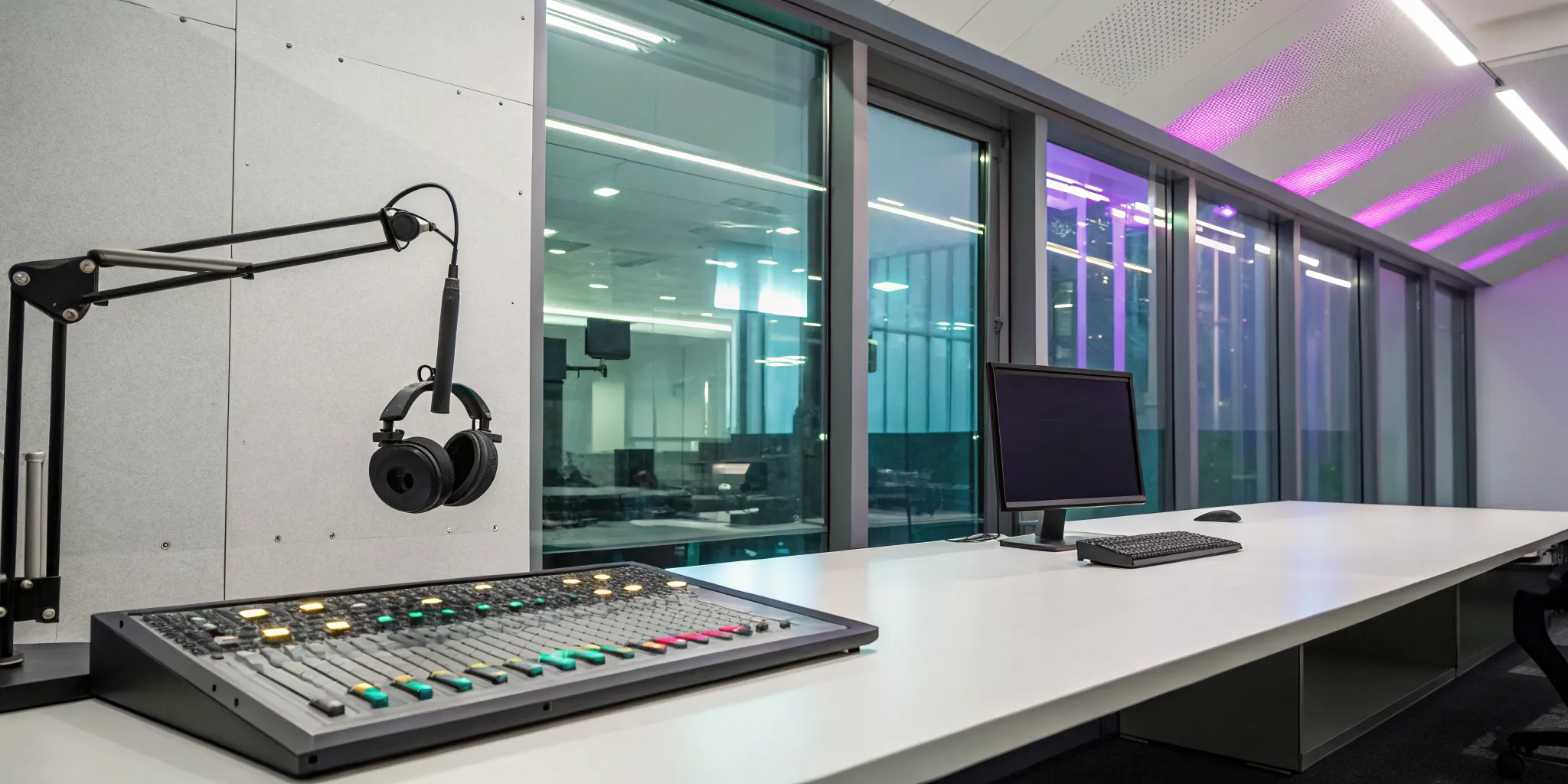
With millions of songs available on streaming platforms, it’s easy to feel like your music is just a drop in the ocean. You’ve worked hard to create something special, but how do you get it in front of people who will actually listen? While playlists are important, radio offers a unique kind of discovery. It’s a human endorsement, a sign that a real person believes in your sound enough to share it. This guide is your roadmap to finding the radio stations that play new artists and are actively looking for fresh talent. It’s about connecting with curators who can give your music a powerful stamp of approval and introduce it to a community of dedicated listeners.
Key Takeaways
- Target indie radio for your best shot at airplay: Unlike mainstream stations, independent and online radio platforms are built to discover new talent, giving you a direct path to curators who are genuinely eager to hear and play music from emerging artists.
- Submit your music like a professional: Increase your chances of getting heard by researching each station to ensure your music is a good fit. Always follow their specific submission guidelines; this simple step shows respect for the curator’s time and process.
- Leverage airplay to open more doors: A radio spin is a powerful endorsement you can add to your press kit. Use this proof of credibility when pitching to bloggers, playlist curators, and venue bookers to show that your music is already connecting with an audience. When pitching to media, learning how to write a music press release is an essential skill to ensure your message is clear and professional.
Why Radio Airplay Still Matters for Your Music
With streaming services putting millions of songs at our fingertips, it’s easy to wonder if traditional radio is still relevant for new artists. The short answer is a resounding yes. While streaming is essential, radio offers a unique kind of discovery that you can’t get anywhere else. Think of it this way: streaming platforms often serve you music based on what you already like, but radio has the power to introduce your sound to completely new audiences who weren’t actively searching for you.
Getting your track played on the air provides a powerful stamp of approval. When a station, especially an indie station dedicated to new music, chooses to play your song, it sends a clear message to listeners: this artist is worth your attention. This kind of third-party validation builds credibility that can be hard to earn on your own. It’s one thing to promote your own music, but it’s another to have a trusted curator at a station like rBeatz Radio share it with their community.
This exposure isn’t just about vanity plays; it translates into real, tangible growth for your career. Radio airplay can directly lead to a spike in your streaming numbers, more social media followers, and even opportunities for live shows and collaborations. It creates a feedback loop where listeners hear you on the radio, search for you online, and become dedicated fans. For independent artists, getting that first spin can be the spark that ignites a loyal following. If you’re ready to get your music in front of new listeners, a great first step is to find stations that fit your vibe and follow their music submission guidelines.
How Indie Radio Helps New Artists Get Discovered
Getting your music on the radio can feel like a distant dream, especially when mainstream stations seem to play the same 40 songs on a loop. But there’s a whole other world of radio out there, one that’s actively searching for new, independent artists just like you. Indie radio is a powerful tool for getting your music out of your studio and into the ears of listeners who are hungry for fresh sounds.
Unlike the major players, independent stations thrive on discovery. Their entire mission is to find the next big thing and share it with their dedicated audience. For an emerging artist, this isn’t just about getting a single spin; it’s about finding a community that will champion your music and help you build a real fanbase. It’s your most direct path to airplay and a crucial step in turning your passion into a career.
Indie Radio vs. Mainstream: What’s the Difference?
The biggest difference between indie and mainstream radio comes down to purpose. Mainstream radio is a business built on playing proven hits to attract the largest possible audience for advertisers. Indie radio, on the other hand, is all about curation and discovery. Many of these stations are independent, community-focused, or based at colleges, making them passionate about showcasing new talent.
While a major station’s playlist is often locked down by record labels and algorithms, an indie station’s playlist is curated by real people who love music. They’re the ones digging through submissions to find something special. Platforms like Breaking Sound Radio are built specifically to help listeners find fresh music, creating a space where new artists are the main event, not the exception.
Why You Have a Better Shot with Indie Radio
Simply put, indie stations want to hear from you. These stations are actively open to playing music from unsigned artists and songwriters because their reputation is built on being a source for new and underground music. Getting your track played here isn’t just a vanity credit; it’s a strategic move designed to connect you with fans and industry professionals who are specifically looking for emerging talent.
This is your chance to get your foot in the door. An indie station spin can lead to more listeners, more followers, and more opportunities. Platforms like rBeatz make it easy for you to submit your music directly to curators who are eager to find their next favorite artist. You’re not just sending your song into a void; you’re delivering it to people whose job is to listen.
12 Radio Stations That Champion New Artists
Finding the right station to pitch your music to can feel like searching for a needle in a haystack. But plenty of stations out there are actively looking for new, independent artists just like you. The key is knowing where to look. We’ve put together a list of stations that have built their reputations on breaking new talent. This list includes a mix of online platforms, local powerhouses, and global broadcasters, giving you a solid starting point no matter what your sound is.
Many of these stations are part of the rBeatz network, which means they are deeply integrated into a community built for music discovery. For you, this creates a direct line to curators who want to hear what you’ve made. Others on this list are respected public and independent stations known for their incredible taste and influence. Getting a spin on any of these could be a game-changer for your career, helping you connect with listeners who are hungry for their next favorite artist. Take a look through this list, find the stations that feel like a good fit, and get ready to share your music.
rBeatz Radio
As the flagship station of our platform, rBeatz Radio is your front door to a world of music discovery. The entire station is built around a single mission: playing new music from emerging artists and giving fresh talent a place to shine. Because it’s at the heart of the rBeatz community, getting your music featured here puts you directly in front of an audience that is actively seeking out new sounds. If you’re just starting to pitch your music, this is the perfect place to begin. We’re dedicated to creating a supportive environment where artists can grow their audience and connect with listeners who appreciate the craft of making music.
ROQ Charlotte Radio
If you’re a rock artist, especially one with roots in the Carolinas, ROQ Charlotte Radio should be at the top of your submission list. This station is laser-focused on new rock music, carving out a space for emerging artists in a genre that can sometimes be tough to break into. It’s all about giving fresh talent a chance to be heard, from indie rock to alternative and beyond. By concentrating on the vibrant Charlotte music scene and the rock artists within it, ROQ Charlotte provides a powerful local platform with a global reach. If your sound has an edge, this is where you’ll find an audience ready to listen.
Oui Global Radio
For artists whose music transcends borders, Oui Global Radio offers a worldwide stage. This station is committed to playing new and emerging artists from every corner of the globe, celebrating a rich tapestry of diverse musical expressions. Whether you’re making Afrobeats in Nigeria, indie pop in Sweden, or hip-hop in Brazil, Oui Global Radio provides a platform where your sound can find an international audience. It’s a testament to the idea that great music knows no language or location. Submitting here means joining a global conversation and connecting with listeners who have an appetite for fresh, worldly sounds.
25/8/366 Global Radio
Just like its name suggests, 25/8/366 Global Radio goes the extra mile to find and promote new music. This station is all about championing fresh sounds and talent from around the world, playing a wide range of music from artists who are just starting to make their mark. The programming is eclectic and adventurous, making it a fantastic home for artists who don’t fit neatly into a single genre. If you’re looking for a station that values originality and is dedicated to a 24/7 cycle of music discovery, 25/8/366 Global Radio is constantly searching for the next great track to share with its listeners.
The Vessel Radio
The Vessel Radio is a haven for independent artists. With a focus on a wide variety of genres, this station is dedicated to featuring emerging talent that might get overlooked by mainstream outlets. It’s a platform that truly values the independent spirit, making it an ideal place for artists who are forging their own path. The curators at The Vessel have a knack for finding unique voices and sounds, so if your music is a little left-of-center or blends different styles, you’ll be in good company. This station is all about celebrating the creativity and passion of artists who are making music on their own terms.
USA Heroes Radio
If your music carries an uplifting and inspiring message, USA Heroes Radio is a station that will resonate with your sound. It focuses on playing a mix of music from new and independent artists whose work aims to motivate and bring positivity to listeners. This is a more niche station, so it’s a perfect example of why it’s important to match your music to the right platform. For singer-songwriters, country artists, or pop musicians with a hopeful message, USA Heroes Radio offers a dedicated audience that is looking for exactly what you create. It’s a place where meaningful lyrics and heartfelt melodies can truly make an impact.
Bonfire Radio
Think of Bonfire Radio as a gathering place where new music is shared and celebrated. This station is dedicated to showcasing new artists and providing a platform for diverse voices in music. It’s a warm and welcoming space for a variety of genres, with a focus on creating a community around music discovery. Like sitting around a bonfire, listening to this station feels like an intimate and shared experience. For artists, it’s an opportunity to have your music heard in a context that values storytelling and authentic expression. If you’re looking for a station that feels like home, Bonfire Radio is stoking the flames for new talent.
KEXP
Based in Seattle, KEXP is one of the most respected independent radio stations in the world. It has built a massive, loyal following thanks to its unwavering commitment to new music and emerging artists. Getting a spin on KEXP can be a career-defining moment, as its influential DJs are known for breaking artists who go on to become household names. The station is celebrated for its live in-studio sessions and deep-cut playlists that give artists a platform to reach a highly engaged audience. While it’s a competitive station to get on, a successful submission can open doors across the industry.
BBC Radio 1 (BBC Introducing)
For any new artist, getting noticed by the BBC is a huge milestone. The BBC Introducing platform is specifically designed to find and nurture unsigned and undiscovered talent across the UK and beyond. By uploading your tracks to their site, you put your music in front of producers and DJs from across the BBC network, including the iconic Radio 1. A spot on their playlist can lead to festival slots, national airplay, and massive exposure. It’s a powerful system that has launched the careers of artists like Florence + The Machine and George Ezra, making it an essential platform for ambitious new acts.
NPR Music
NPR Music is more than just a radio station; it’s a cultural institution. Known for its thoughtful curation and impeccable taste, a feature from NPR can lend an artist incredible credibility. From the famous Tiny Desk Concerts to its flagship programs like All Songs Considered, NPR has a long history of showcasing fresh talent across a huge variety of genres. The platform is a trusted source for music discovery for millions of listeners, and its support can help an artist connect with a dedicated and discerning audience. Getting your music into the hands of their curators is a major step toward building a lasting career.
The Current
Broadcasting from Minnesota, The Current is a public radio station with a national reputation for championing new and local music. Much like KEXP, it has become a beloved tastemaker by consistently putting emerging artists on the airwaves. The station’s programming is a vibrant mix of indie rock, soul, hip-hop, and folk, with a strong emphasis on artists who are just starting to build a following. The Current is deeply invested in its music community, and its support can provide a significant platform for an artist to reach a wider, more attentive audience. It’s a must-submit for any artist making authentic, compelling music.
Breaking Sound Radio
True to its name, Breaking Sound Radio is all about finding and playing the next big thing. This station provides a 24/7, 365-day-a-year stream of the hottest music from emerging artists around the globe. Because it never goes off the air, its curators are constantly on the hunt for new tracks to add to the rotation. This makes it an exciting platform for artists who are ready to get their music heard right now. The station is part of the larger Breaking Sound ecosystem, which connects artists with live show opportunities, making it a great entry point for building your career both on and off the air.
What Kind of Music Are These Stations Looking For?
Before you send your music out, it’s crucial to understand that every radio station has its own unique identity and sound. Music directors and DJs are curators, carefully building a specific vibe for their listeners. Sending your music blindly is like showing up to a job interview without knowing what the company does. It rarely works. Taking the time to research a station’s playlist shows that you’re a professional who respects their craft. This simple step dramatically increases your chances of getting a listen, because you’re not just asking for a favor; you’re offering a track that genuinely fits their programming.
Think of it from their perspective: they receive hundreds, sometimes thousands, of submissions. The ones that stand out are from artists who clearly get what the station is all about. It’s about making their job easier and proving you could be a valuable addition to their sound. This isn’t about changing your art to fit a mold. It’s about finding the mold that already fits your art. By targeting the right stations, you connect with an audience that’s already primed to love what you do. You’re not just looking for any airplay; you’re looking for the right airplay, where your music can truly resonate and find its home.
Don’t Waste a Submission: Match Your Genre
The fastest way to get your submission deleted is to send it to a station that doesn’t play your style of music. If you’ve poured your heart into a folk-pop ballad, a station known for hard rock and metal isn’t going to be the right home for it. Spend time listening to each station you plan to pitch. Read their “About” page and look for a mission statement or genre description. Many stations are very clear about what they play. When you’re ready to share your work, a thoughtful music submission that aligns with the station’s sound proves you’ve done your homework and see yourself as a potential partner, not just another artist asking for airtime.
How to Tell If Your Sound Is the Right Fit
So, how do you know if your music is a match? The best way is to become a temporary listener. Tune into the station’s live stream for an hour or two. Check out their recently played tracks or artist spotlights. For example, looking through the diverse lineup of artists we feature can give you a great feel for our vibe. Many indie and college radio stations are known for playing a wide range of genres, from Americana and pop to jazz and global music. If your sound aligns with what you hear, you’ve found a promising candidate. If it doesn’t, cross that station off your list and move on. Your perfect fit is out there.
How to Submit Your Music for Airplay
Getting your music into the hands of a music director or DJ can feel like a huge hurdle, but it doesn’t have to be. The key is to be strategic and professional. Sending a hundred generic emails will get you nowhere fast. Instead, a thoughtful, targeted approach will make your submission stand out and show stations that you’re serious about your craft. Think of it less like casting a wide net and more like finding the perfect home for your sound. Here’s a step-by-step guide to get your music ready for the airwaves.
1. Find the Right Stations for Your Sound
Before you send a single file, do your homework. Every station has a unique vibe and a specific audience. Sending your death metal track to a smooth jazz station is a waste of everyone’s time. As the USA Songwriting Competition notes, you should “look carefully at each station’s description to see what kind of music they play. Send your songs only to stations that fit your genre.” Spend some time listening to the stations you’re interested in. Check out their playlists and featured artists. For example, you can explore the different sounds across the various rBeatz radio stations to see where your music fits best. This research shows respect for the curator’s work and dramatically increases your chances of getting a listen.
2. Build a Pro-Level Press Kit
Your Electronic Press Kit (EPK) is your musical resume. It needs to be professional, concise, and easy to access. When a music director is interested, they don’t want to hunt for your information. Make their job simple by including everything they need in one place. Your EPK should contain a short, compelling bio that tells your story, a few high-resolution promo photos, and, most importantly, direct links to stream your music (think SoundCloud or a private link). Also, include your contact information and links to your social media. A well-organized press kit makes you look like a professional who is ready for the next step.
3. Follow the Submission Rules (Seriously)
This might be the most important step of all. Every station has its own process, and ignoring it is the quickest way to get your email deleted. Some stations have very “specific instructions for how to send your music.” For instance, one station might only accept MP3s via email, while another requires you to fill out a dedicated submission form on their website. Some may even prefer physical copies. The USA Songwriting Competition points out that one station “accepts WAV, MP3, or WMA files” sent on various physical media. Read the submission guidelines carefully and follow them to the letter. It shows you’re professional and respectful of their workflow.
4. Craft a Pitch They Can’t Ignore
Your email pitch is your first impression. Don’t ruin it with a generic, copy-pasted message. Personalize your email by addressing the music director by name if you can find it. Mention a specific show or artist they play that you admire, and briefly explain why your track would be a great fit for their listeners. Keep your message short, friendly, and to the point. Include a one-sentence description of your song’s genre and mood, a direct link to stream the track, and a link to your EPK. Your goal is to make it as easy as possible for them to click, listen, and learn more about you.
5. Get Heard on rBeatz
If you’re an independent artist looking for a platform that genuinely champions new music, you’re in the right place. Here at rBeatz, our entire mission is to connect listeners with incredible emerging artists from Charlotte and around the globe. We’ve built a straightforward process because we want to hear what you’re creating. We feature artists across our multiple radio stations and on our site, giving you a direct line to a community of dedicated music lovers. When you’re ready to share your work with an audience that’s eager to discover something new, you can submit your music directly to our team. We’re always listening for the next great sound.
6. Know When (and How) to Follow Up
Patience is a virtue in the music industry. After you submit your track, give it some time. Music directors are incredibly busy, and it may take them a couple of weeks to get to your submission. If you haven’t heard anything after two or three weeks, it’s okay to send a single, polite follow-up email. Keep it brief, simply restating your interest and gently reminding them of your submission. Never be demanding or pushy. If you still don’t get a response, it’s best to move on. Sometimes, no reply is the reply, and that’s okay. Don’t take it personally; just focus your energy on the next opportunity.
So, You’ve Submitted Your Music. Now What?
You did it. You polished your track, perfected your press kit, and hit “send.” The mix of excitement and anxiety that follows is something every artist knows well. While the waiting game can be tough, it helps to have a clear idea of what comes next and how to handle any outcome. Whether you get a “yes,” a “no,” or just radio silence, your journey is far from over. Let’s talk about what to expect and how to keep your momentum going, no matter what.
What to Expect After You Hit ‘Send’
Patience is your best friend right now. Music directors and station programmers are often swimming in submissions, so it can take weeks or even months to hear back. Sometimes, you might not hear back at all, and that’s okay. It’s rarely a reflection of your music’s quality. Many stations are independent or community-focused, which makes them great places for new artists to get heard, but they are often run by small, dedicated teams. While you wait, shift your focus back to what you control: creating more music. Keep writing, recording, and refining your craft. Continue to submit your music to other stations that fit your sound. The best thing you can do is stay productive and not put all your hopes on a single submission.
How to Bounce Back From a “No”
A “no” can sting, but it’s not a dead end. Think of it as feedback. The first step is to revisit your submission with fresh eyes. Did you send your synth-pop track to a station that primarily plays folk? Make sure you “look carefully at each station’s description to see what kind of music they play.” A mismatch in genre is one of the most common reasons for rejection. Also, double-check that you followed all the submission rules to the letter. If everything looks good, then it just wasn’t the right fit at the right time. Don’t let it discourage you. Look at the other artists getting airplay for inspiration, refine your pitch, and send your music to the next station on your list.
Is Radio Airplay Worth the Effort?
After pouring your heart into writing, recording, and producing a track, you might wonder if chasing radio airplay is still a worthwhile goal. With streaming playlists dominating so much of the conversation, is radio still relevant for new artists? The answer is a resounding yes, especially when you focus on the right kind of radio. While getting on a top 40 station is a huge challenge, the world of independent, community, and online radio is more accessible than ever and offers a powerful way to connect with new audiences.
Unlike an algorithm-generated playlist, getting your song played on a radio station is a human endorsement. It means a DJ, a station manager, or a music curator listened to your work and believed in it enough to share it with their audience. That kind of validation carries weight. It can make your music feel discovered rather than just served up. Stations like rBeatz Radio are built on this principle of active curation, creating a space where listeners come specifically to find their next favorite artist. Getting a spot on their rotation puts you directly in the ears of a dedicated and curious audience.
Turn Listeners Into Fans
The real magic of indie radio lies in its community. Many of these stations are independent or community-focused, making them incredible places for new artists to get heard. They have loyal listeners who trust the station’s taste and are genuinely excited to hear new music. When your song plays, it’s not just background noise; it’s a recommendation from a trusted friend. This is how you turn passive listeners into active fans who will seek out your profile, follow you on social media, and show up for your live shows. Platforms dedicated to new music, like rBeatz, feature artists from all over the world, helping them build a real following one spin at a time.
Use Airplay to Open New Doors
Think of radio airplay as a key that can open several doors for your music career. Each spin is a piece of social proof, a signal to the rest of the industry that your music is gaining momentum. You can add that airplay to your press kit and mention it when you reach out to bloggers, venue promoters, or playlist curators. It shows them that your music has been vetted and is connecting with an audience. Many stations have specific instructions for how to send your music, and following them professionally is your first step. A successful music submission doesn’t just get you on the air; it builds a professional track record that can lead to interviews, live sessions, and other opportunities down the line.
Related Articles
- OUIGLObalRADio: Get the App on iTunes & Google Play
- Discover July’s Hottest Tracks on rBeatz radio Trending Now
- DJ Stout: Radio to Festivals a Thriving Music Scene | rBeatz
- Jason Jet of Grindhaus Studios Live on LocalMusicSomewhere
- Discover June’s Hottest Artists on rBeatz Trending Now
Frequently Asked Questions
My music gets some plays on streaming playlists. Is chasing radio airplay really worth the extra effort? Think of it this way: a playlist placement is fantastic for exposure, but a radio spin is a public endorsement. When a curator at a station chooses your song, they are personally vouching for it to their dedicated audience. This human element builds a different kind of credibility and can help you connect with listeners who trust the station’s taste, turning them into more engaged, long-term fans.
What’s the single biggest mistake artists make when sending their music to radio stations? Hands down, the most common mistake is sending music without doing any research. Pitching your new R&B track to a station that exclusively plays indie rock shows the music director you haven’t taken the time to understand their programming. Taking just ten minutes to listen to a station and confirm your genre is a fit will make your submission far more effective and professional.
I’m a new artist and don’t have a fancy press kit. What are the absolute essentials I need to include? You don’t need anything fancy, just the essentials presented clearly. At a minimum, your press kit should have a short bio that tells your story, one or two high-quality photos, and direct, clickable links to stream your music (like a private SoundCloud link). The goal is to give a music director everything they need in one place without making them search for it.
I submitted my song a few weeks ago but haven’t heard back. Should I just give up on that station? Not necessarily. Radio silence is very common and doesn’t always mean it’s a “no.” Music directors are incredibly busy and often have a huge backlog of submissions. It’s perfectly fine to send one brief, polite follow-up email after two or three weeks. If you still don’t hear back after that, it’s best to focus your energy on other stations.
You listed several different rBeatz stations. How do I figure out which one is the best fit for my music? The best way to find your fit is to spend a little time listening. Each station has its own distinct personality. For example, ROQ Charlotte is your go-to for new rock, while Oui Global Radio focuses on international sounds from around the world. By exploring the different streams, you can hear their playlists and get a feel for the community each one serves, which will help you target your submission perfectly.