Electronic music has become one of the most influential forces in modern music. Yet many listeners still use the terms EDM and techno interchangeably. It’s a common yet understandable mistake. Both styles rely heavily on electronic production, synthesizers, drum machines, and DJ culture.
The reality is more complex, though. Techno is a specific genre of electronic music with its own history, sound, and community. EDM, on the other hand, is often used as an umbrella term for electronic dance music. In some contexts, it’s used as a commercial category that includes many electronic genres.
To understand the distinction, it helps to look beyond labels. The answer lies in the music’s origins, sound design, song structure, production techniques, audience culture, and live performance traditions. Once these elements are clear, distinguishing between EDM and techno gets easier.
EDM vs. Techno at a Glance
Category | Techno | EDM |
Definition | A specific electronic music genre | Broad category covering many electronic dance genres |
Origin | Detroit, USA, mid-1980s | Term popularized globally in the 2000s |
Typical BPM | 120-150 BPM | Usually 120-160 BPM, depending on the genre |
Sound Characteristics | Repetitive, hypnotic, rhythmic | Melodic, energetic, drop-focused |
Song Structure | Long, gradual development | Build-up, drop, breakdown format |
Main Audience | Club and underground music fans | Mainstream festival and dance music audiences |
Festival Presence | Club-focused and underground events | Major commercial festivals worldwide |
Notable Artists | Jeff Mills, Carl Cox, Charlotte de Witte | Martin Garrix, David Guetta, Skrillex |
So, what’s the difference between EDM and techno? EDM is a broader category that includes techno along with many other electronic music styles. Techno is a single genre built around repetition, groove, and gradual progression.
Are Techno and EDM the Same?
Many newcomers ask the same question: Are EDM and techno the same?
The short answer is no. Techno is not the same as EDM, even though the two are closely related.
Techno is one genre within the wider world of electronic dance music. EDM can refer to electronic dance music as a whole and includes numerous styles that developed over several decades. These include house, techno, trance, dubstep, drum and bass, future bass, and big room, among many others.
This is where much of the confusion begins. Mainstream media often labels nearly all electronic music as EDM. News outlets, radio stations, streaming platforms, and festival promoters use the term as a catch-all phrase.
Casual listeners may also hear electronic sounds and assume everything belongs to the same category. A techno set, a dubstep track, and a progressive house anthem can sound very different to experienced listeners. However, those differences are not always obvious to newbies.
The techno vs. EDM discussion becomes easier when you think of EDM as a large family. Within that family are many distinct genres. Techno is one member of that family, not the family itself.
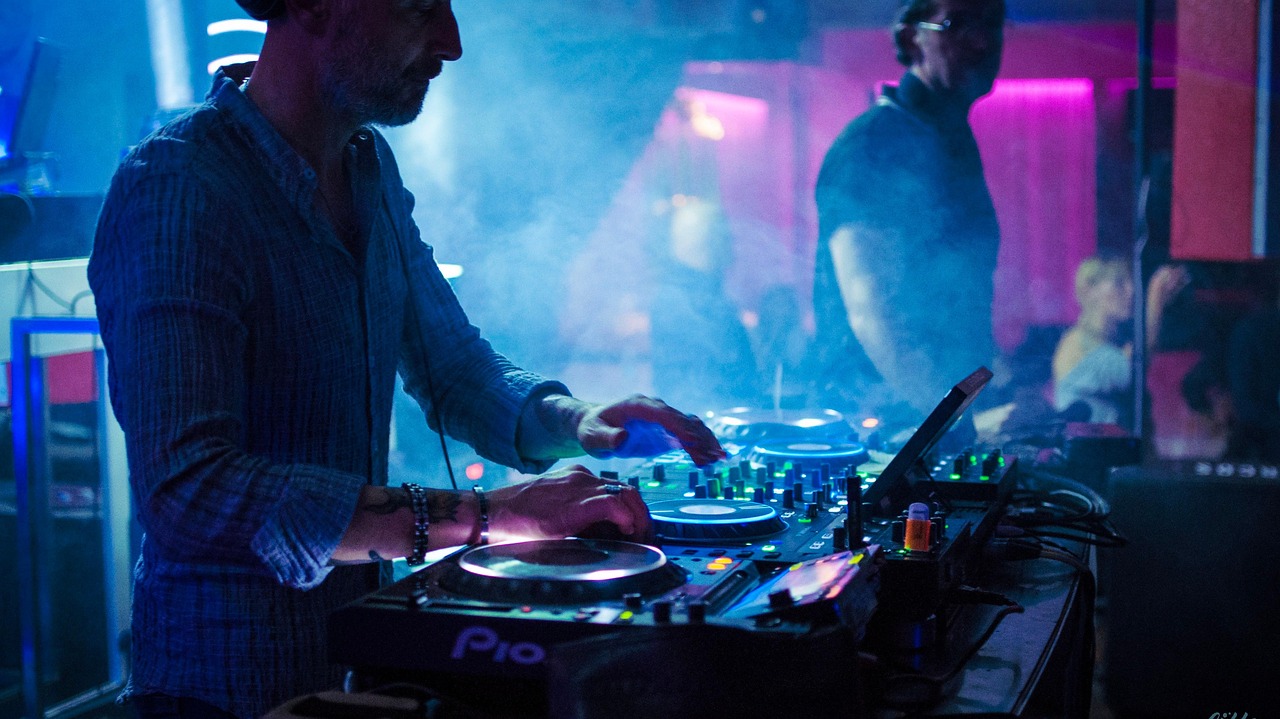
The Origins of EDM and Techno
The techno vs. EDM conversation makes more sense when viewed through a historical lens.
Techno emerged in Detroit during the mid-1980s. Its development was influenced by funk, electro, synth-pop, and futuristic ideas. Early pioneers created a machine-driven sound that felt unlike anything else at the time. Detroit soon became recognized as the birthplace of techno.
The term EDM has a more complicated history. Electronic dance music has existed for decades. The abbreviation “EDM” became widely used during the late 2000s and early 2010s. It gained popularity as electronic music festivals expanded across North America. It spread further when commercial dance music reached mainstream audiences.
As electronic music evolved, dozens of genres emerged. Some remained underground, while others achieved global commercial success.
We have separate detailed articles covering the history of techno and the development of EDM. We will link to those in future updates.
How Techno Sounds Different from EDM
The difference between EDM and techno becomes most obvious when you focus on how the music sounds.
While both styles rely on electronic production, they have different goals. Techno aims to create immersion and sustained momentum. The objective of EDM in general is to create emotional peaks and memorable crowd reactions.
Rhythm and Groove
At the heart of techno lies repetition.
Most techno tracks use a steady four-on-the-floor rhythm. This means the kick drum hits on every beat of the measure. The pattern remains consistent for long stretches, creating a hypnotic groove that pulls listeners into the music.
Small changes are significant. A subtle hi-hat variation, a new percussion layer, or a filtered synth sound may completely change the feeling of the track without disrupting its flow.
Techno producers often avoid dramatic shifts. Instead, they build momentum through gradual development. This way, the listener becomes immersed in the rhythm.
EDM generally takes a different approach.
Many EDM tracks are designed around moments of maximum impact. Build-ups increase tension through rising effects, snare rolls, and melodic anticipation. This tension is then released through a drop. This, then, serves as the emotional and energetic peak of the track.
When discussing techno vs. EDM, rhythm is often the first major difference listeners notice. Techno values continuity while EDM focuses more on contrast.
Song Structure
Song structure is another differentiator between EDM and techno.
Techno tracks are often built for DJs instead of radio listeners. Long intros and extended outros make mixing easier. Sections evolve slowly and naturally.
Instead of building toward a single dramatic moment, many techno tracks gradually transform over 6, 7, or even 10 minutes. The journey itself becomes the focus.
A techno track may add or remove elements very gradually. Listeners barely notice the changes until several minutes have passed.
EDM typically follows a more recognizable structure:
Intro → Build-up → Drop → Breakdown → Drop
This format creates immediate audience engagement. Festival crowds often anticipate the drop and react together when it arrives.
The difference between EDM and techno is obvious in live settings. Techno encourages sustained movement and immersion. EDM often creates bursts of excitement followed by periods of anticipation.
Melody and Atmosphere
Melody plays different roles in EDM and techno.
Techno often places atmosphere above melody. Many tracks use subtle melodic phrases that repeat for extended periods. The emotional impact comes from texture, rhythm, and sonic space.
Many techno productions feature darker, industrial, futuristic, or mechanical sound palettes. Synthesizers may feel cold, metallic, or abstract.
EDM generally places greater emphasis on melody.
Strong hooks, memorable chord progressions, and emotional themes often drive the music forward. Many EDM producers write tracks that listeners can easily recall after a single play.
Vocal performances are also more common in EDM. Songs frequently include singers, lyrics, and traditional songwriting techniques.
Production Style
Production philosophy may be the biggest distinction in the EDM vs. techno comparison.
Techno producers often embrace minimalism. They use repetition as a creative tool. Layered percussion, subtle automation, and careful sound design are central elements of the music.
A techno producer may spend hours refining a groove that appears simple on the surface but contains countless small details.
EDM production often aims for maximum impact.
Large synth leads, huge bass sounds, cinematic effects, and dramatic transitions are common. Many tracks are engineered specifically for massive festival sound systems and large outdoor crowds.
Modern EDM producers frequently use highly polished mixes. These are designed to sound powerful across streaming platforms, clubs, festivals, and radio broadcasts.
The techno vs. EDM debate often comes down to artistic priorities. Techno values depth through repetition and gradual evolution. EDM often pursues excitement through contrast, melody, and spectacle.
Techno vs. EDM Culture and Live Events
The techno vs. EDM discussion extends far beyond the music itself.
Techno emerged from underground club culture and still maintains strong ties to that environment. Many fans value authenticity, musical depth, and long-form DJ storytelling.
Techno events often take place in warehouses, clubs, industrial spaces, and intimate venues. Sets can last several hours. This allows DJs to create gradual musical journeys that unfold over time.
The audience often focuses on the music, not the performer.
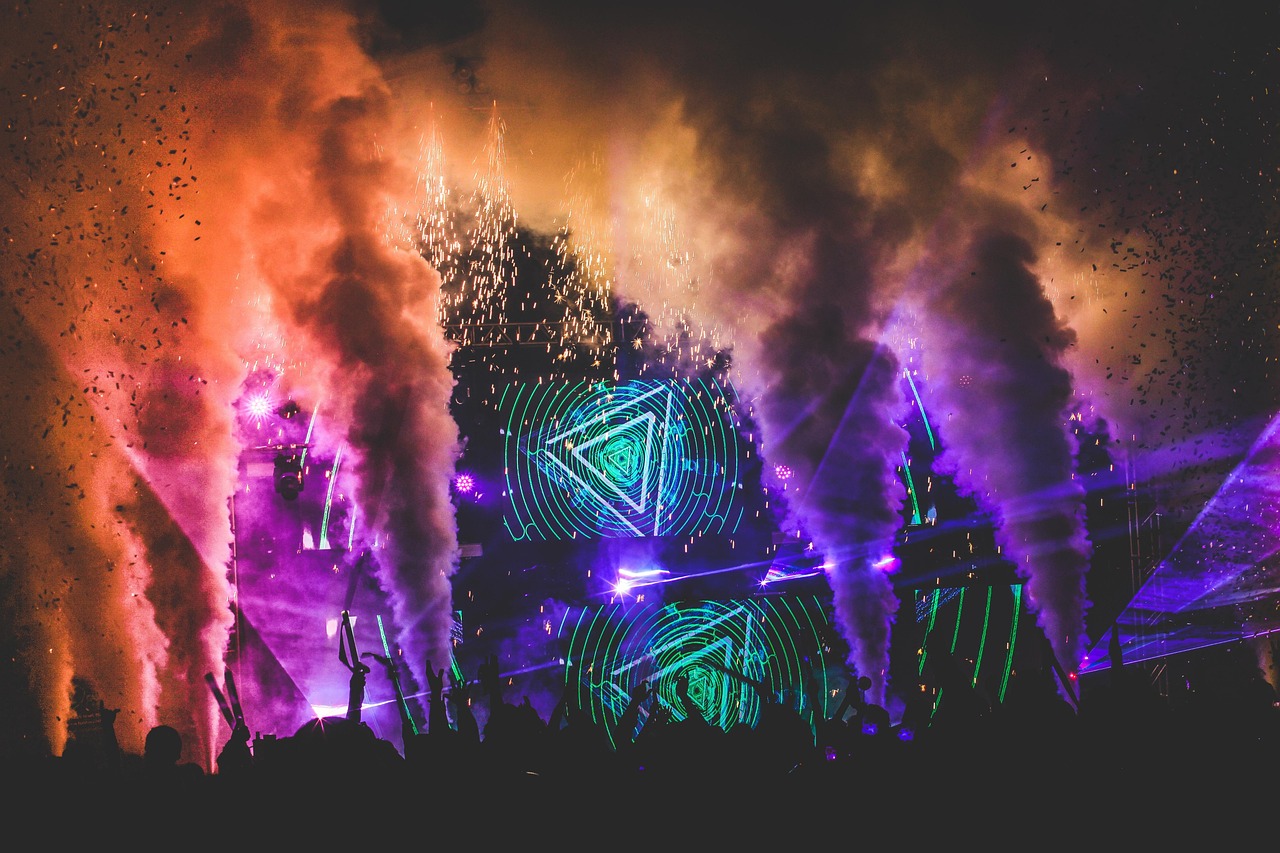
EDM music developed a stronger connection to large-scale festivals and commercial entertainment. Massive stages, visual effects, pyrotechnics, LED screens, and headline performances frequently play a central role.
Many EDM fans attend events for both the music and the spectacle.
DJ performance styles can also differ. Techno DJs often emphasize seamless mixing and long transitions. EDM performers may highlight dramatic track changes, live edits, and crowd interaction.
These cultural differences help explain why some fans strongly identify with one scene over the other. While there is overlap, the experiences often feel very different.
FAQs
Is techno considered EDM?
Yes. Techno is considered EDM in the broad sense of electronic dance music. It’s one of many genres within the larger EDM category. The confusion arises because EDM is often used both as an umbrella term and as a label for commercial festival music. Techno belongs within electronic dance music, but it maintains its own identity, culture, and sound.
Why do people confuse EDM and techno?
People confuse EDM and techno because mainstream media often labels all electronic music as EDM. Many casual listeners also don’t distinguish between electronic subgenres. As a result, techno, house, trance, dubstep, and other styles are sometimes grouped. But, of course, they have different histories and musical characteristics.
Which came first, techno or EDM?
Techno came first as a clearly defined genre. It emerged in Detroit during the mid-1980s. Electronic dance music existed before then. But the widespread use of the term “EDM” happened much later. It was popularized during the global festival boom of the late 2000s and early 2010s.
What are the primary instruments used in EDM and techno production?
The primary instruments used in EDM and techno production are synthesizers, drum machines, samplers, sequencers, and digital audio workstations. Classic drum machines such as the Roland TR-808 and TR-909 played major roles in electronic music history. Modern producers also rely heavily on software instruments and advanced sound design tools.
Final Verdict: Techno vs. EDM
The answer to the techno vs. EDM question is simple once the terminology is clear.
Techno is a distinct genre with its own history, sound, production philosophy, and cultural identity. It focuses on groove, repetition, atmosphere, and gradual evolution. Its roots remain closely connected to underground club culture.
EDM is generally a broader category. It includes techno alongside house (including deep house music), trance, dubstep, drum and bass, future bass, big room, and others. It often emphasizes melody, dramatic drops, and large-scale festival experiences.
If you enjoy hypnotic rhythms, subtle progression, and immersive DJ sets, techno may be your ideal genre. If you prefer soaring melodies, explosive drops, and festival energy, EDM may be the better fit.
Many listeners eventually enjoy techno and other EDM genres. Understanding the difference helps you understand EDM much better. And this can lead to a greater appreciation of techno and other types of EDM music.