Dubstep is one of the most recognizable styles in modern electronic music. It’s known for its heavy bass, sharp drops, and dark atmospheric sounds. Dubstep music first emerged from the underground club scene in South London during the early 2000s. The genre pulled ideas from UK garage, reggae dub, grime, and drum and bass. It then turned these influences into something heavier and more experimental.
For many listeners asking, “What is dubstep?” the answer begins with the bass. Dubstep tracks usually feature deep sub-bass, syncopated drum patterns, and dramatic pauses before explosive drops. The sound became a major force in electronic dance music (EDM) during the late 2000s and early 2010s. It reached its peak after artists like Skrillex brought it into the mainstream.
Today, dubstep still fills clubs, festivals, gaming playlists, and streaming platforms worldwide. This guide explains the history of dubstep, its major styles, and the artists who helped define it.
What Makes Dubstep Unique?
Dubstep stands apart because of its use of space, bass, and tension. Many forms of EDM focus on steady grooves, but dubstep can feel unpredictable. A track may start quietly and build slowly. Suddenly, it can explode into distorted bass and complex rhythms.
Basslines are the heart of dubstep music. Producers often use wobble bass, created by rapidly changing filter effects on synthesizers. This gives the bass its famous growling or pulsing sound. Some tracks use cleaner sub-bass instead, especially in deeper underground styles.
The drum patterns are also distinctive. Dubstep rhythms usually emphasize the third beat in a bar rather than the traditional four-on-the-floor pattern common in house music. This creates a slower, heavier feel even at high energy levels.
Most dubstep tracks stay near 140 BPM. Even at that tempo, the half-time drum structure makes the music feel spacious and weighty.
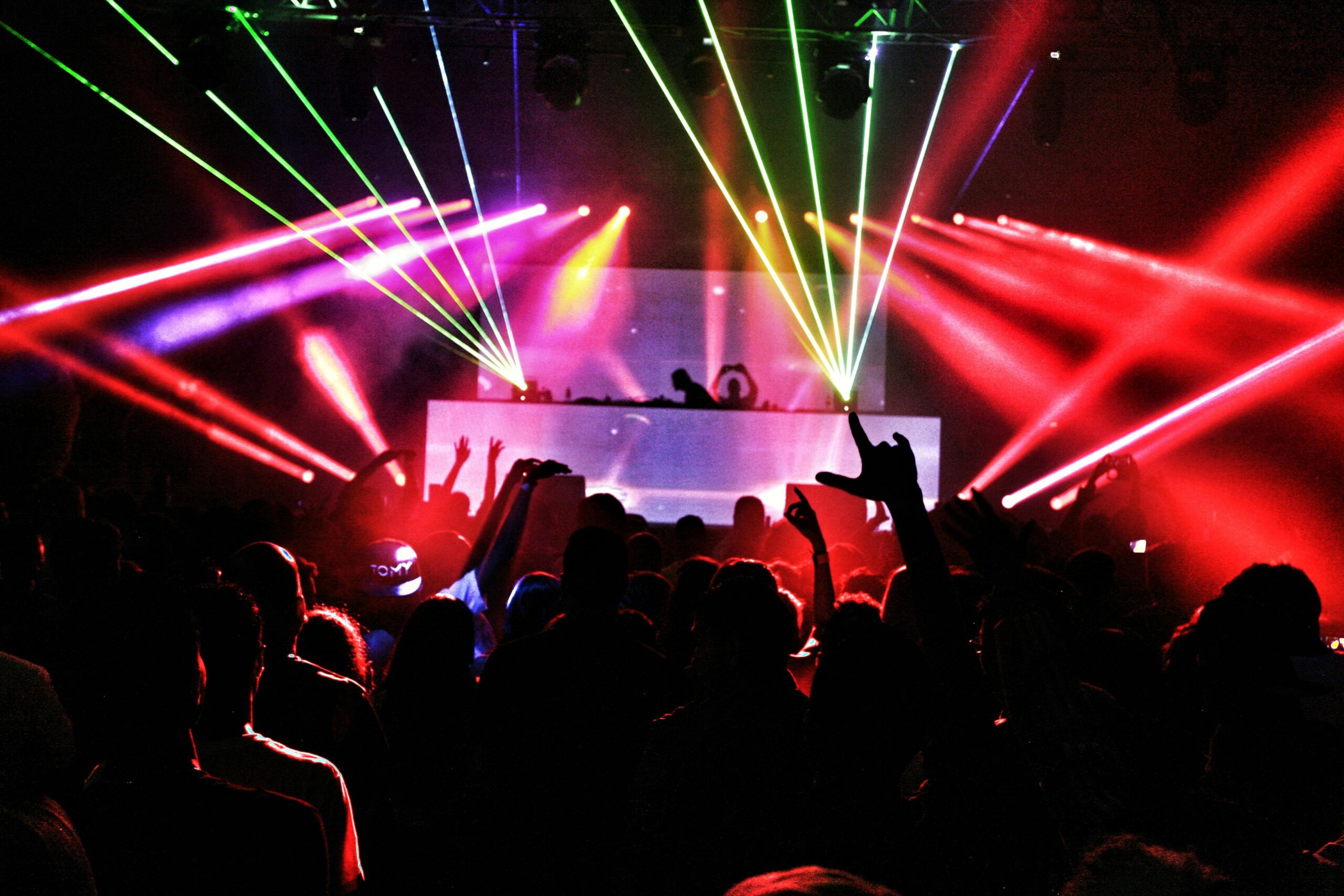
Drops are another defining feature. Producers build tension with rising synths, pauses, or vocal samples before releasing everything into a heavy bass section. This dramatic contrast gives dubstep much of its live impact.
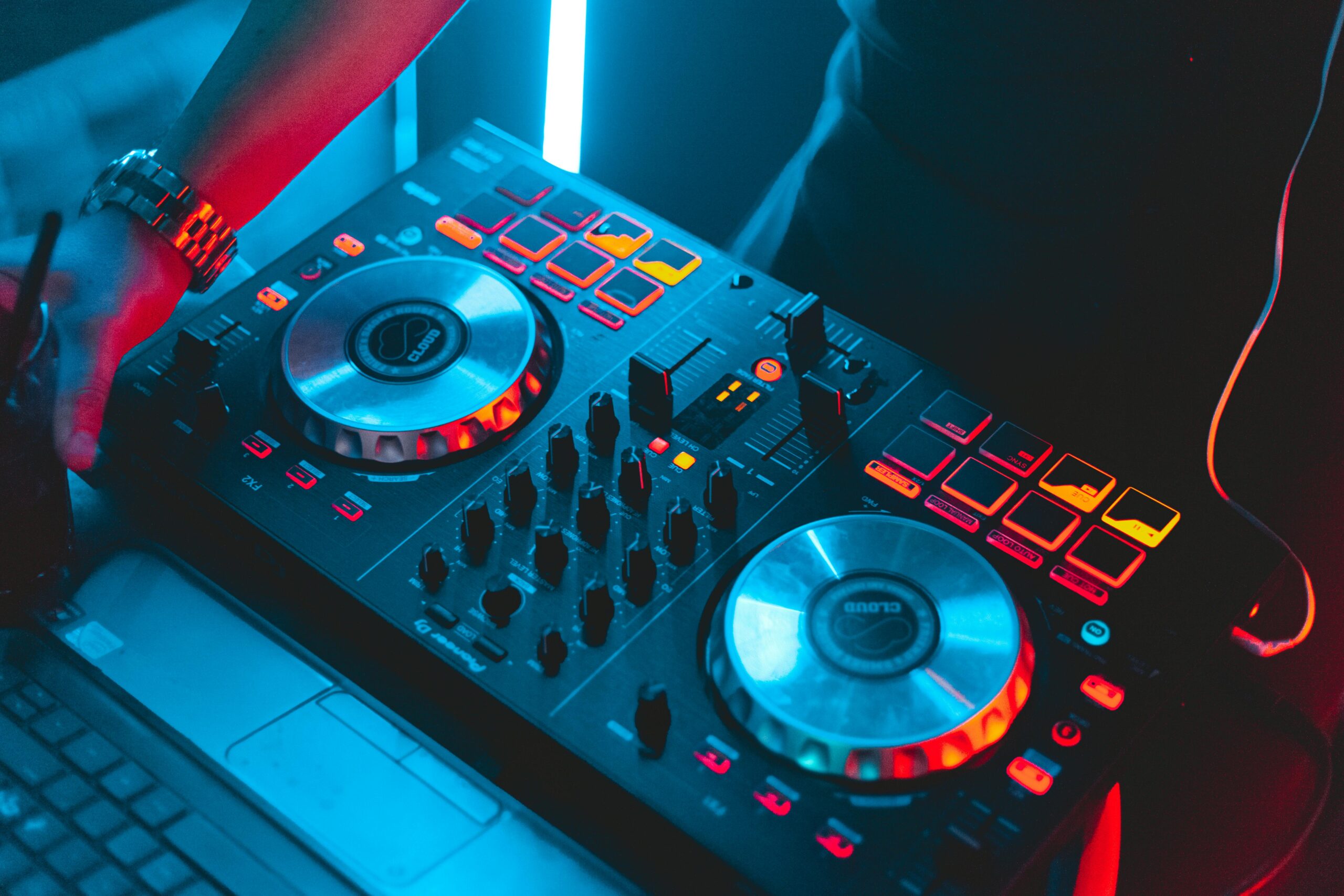
Modern music production tools also helped the genre grow. With digital audio workstation (DAW) software, producers could design aggressive bass textures, layered synths, and cinematic effects that became signatures of dubstep.
Types of Dubstep
Dubstep evolved quickly, and several substyles appeared as the genre spread globally. Each type keeps the bass-heavy foundation but changes the mood and structure.
- Brostep: Brostep originated in the UK but became popular in North America in the early 2010s. This style uses aggressive bass sounds, loud drops, and fast sound changes. Skrillex became the best-known figure associated with brostep. His tracks helped introduce dubstep to mainstream festival audiences and gaming culture.
- Chillstep: Chillstep mixes dubstep rhythms with softer melodies and ambient music influences. Tracks often feature emotional piano lines, smooth vocals, and atmospheric textures. The bass remains important, but the mood is calmer and more reflective.
- Riddim: Riddim focuses on repetitive bass loops and minimalist structures. Instead of constant sound changes, riddim tracks lock into hypnotic patterns with subtle variations. The style became popular in underground bass music communities and festival circuits.
- Future garage: Future garage combines elements of dubstep, UK garage, and lo-fi music. Producers use softer percussion, distant vocal samples, and emotional atmospheres. The result feels more intimate and less aggressive than mainstream dubstep.
- Deep dubstep: Deep dubstep stays closest to the genre’s original London sound. These tracks emphasize sub-bass, space, and tension over loud festival drops. Artists in this style often draw heavily from reggae and dub music traditions.
Famous Dubstep Artists
Several dubstep artists helped push the genre from underground clubs into global popularity. Each brought a different style and audience to the scene.
- Skrillex: Skrillex became the face of modern dubstep during the early 2010s. His aggressive brostep tracks combined distorted bass with high-energy drops and sharp production.
- Excision: Excision built his reputation through extremely heavy bass music and large-scale live shows. His productions feature cinematic intros, crushing drops, and complex sound design.
- Zeds Dead: Canadian duo Zeds Dead blend dubstep with hip-hop, house music, and drum and bass influences. Their style moves between melodic and aggressive sounds.
- Flux Pavilion: Flux Pavilion helped popularize melodic dubstep. He balances catchy hooks with heavy bass without losing musicality.
- Skream: Skream remains one of the most respected early dubstep artists. Unlike many later artists, his work focused more on atmosphere and sub-bass.
FAQs About Dubstep Music
Why do they call it dubstep?
The term dubstep combines “dub” from Jamaican dub music and “step” from UK two-step garage. The name reflects the genre’s deep bass influence and syncopated rhythms.
Who is the king of dubstep?
Many fans consider Skrillex the king of dubstep because he brought the genre into mainstream global culture. Earlier pioneers like Skream and Benga, however, remain highly respected within the original underground scene.
Is dubstep a dead genre?
No, dubstep is not a dead genre. While mainstream attention cooled after its early 2010s peak, dubstep still thrives in clubs, festivals, streaming platforms, and underground electronic communities.
Who popularized dubstep?
Skrillex popularized dubstep globally during the EDM boom of the early 2010s. Before that, UK artists such as Skream, Digital Mystikz, and Benga established the genre’s core sound.
Does Shaq make dubstep?
Yes, Shaquille O’Neal performs bass music and dubstep under the name DJ Diesel. His sets focus on heavy festival-style dubstep and riddim.
Who invented dubstep?
Dubstep was not invented by a single person. The genre developed collectively in South London through various producers. These include Skream, Benga, Hatcha, and Digital Mystikz.
Dubstep: Electronic Music in Flux
Dubstep started as an underground London sound built on bass pressure, sparse rhythms, and experimentation. Over time, it grew into a global force within EDM. It influenced everything, from festival culture to gaming soundtracks.
The genre continues to evolve through different styles. Some artists push dubstep toward cinematic spectacle, while others preserve its darker underground roots.
For listeners new to dubstep music, the best approach is simple: start with the classics. You can then branch into newer styles and artists. The genre has far more range than many people expect, and that range is exactly why dubstep is still here today.