
Animation, Film, and Storytelling Through Music
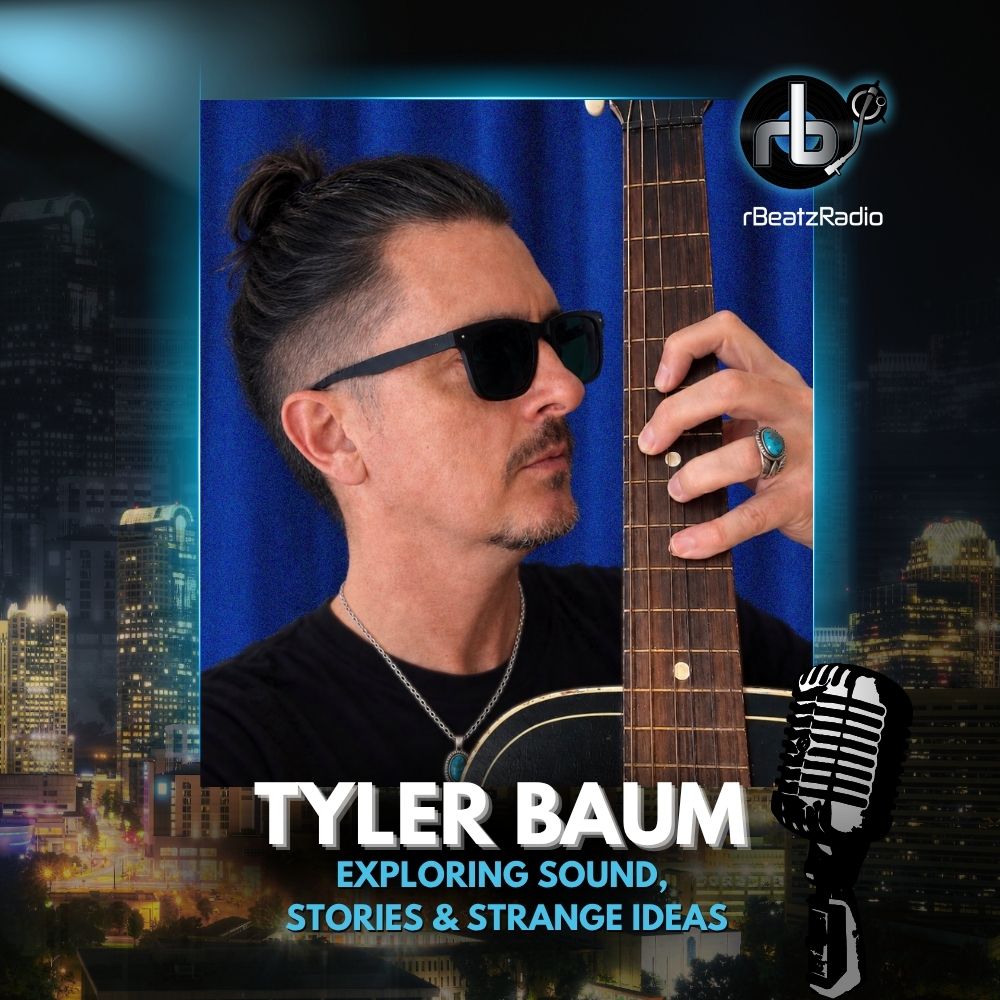
Tyler Baum joins Greazy Keyz on Local Music Somewhere for a relaxed, music-forward conversation about a creative life that has never stayed in one lane. Making music since 1990, Tyler has moved through bands, solo albums, music videos, animation, and independent films, always following the next idea. His latest release, A Collection of Songs on One Compact Disc, brings together 25 handpicked songs from more than 30 years of work and is available exclusively on CD. Tyler shares stories about his musical roots in Southeastern Virginia, coming to Charlotte, navigating band dynamics, and building a path through self-promotion and self-distribution. The conversation also touches on the use of AI with older material, his nine-piece exotica and lounge orchestra Don Telling’s Island Mysteries, and the storytelling behind his animation and music videos.
A Collection of Songs from More Than Three Decades
Tyler Baum
Tyler Baum is a songwriter, musician, animator, and artist on a perpetual expedition, drawn to an unpredictable territory where experimentation takes over and weird stuff plops out. Making music since 1990, he’s wandered through numerous bands, solo albums, music videos, and independent films, including the animated “Calliope Haystacks”. Self-taught and artistically ungovernable, he follows his curiosity beyond the tattered edges of the rulebook of creativity. His latest release, “A Collection of Songs on One Compact Disc”, features 25 handpicked songs spanning 30-plus years, available exclusively on CD.
Key Takeaways
- Creativity is a lifelong process. Tyler’s musical journey spans more than 30 years and continues to evolve.
- Local music history matters. Charlotte venues and the people behind them helped shape the city’s music community.
- Physical music still has a place. A Collection of Songs on One Compact Disc demonstrates that artists can choose different ways to present their work.
- Take a break when you need perspective. Stepping away from a project can help you return with fresh ears and a clearer mind.
- Technology can be a creative tool. Tyler’s use of AI focuses on working with existing recordings rather than generating new music.
- Don’t let social media replace your craft. Time spent creating and practicing is more valuable than endlessly watching what others are doing.
- Explore beyond your primary discipline. Tyler’s projects show that creativity can take many different forms.
- Don’t be afraid of unusual ideas. Sometimes the most unexpected starting points lead to interesting creative possibilities.
- Finish and release your work. Perfection shouldn’t become the reason a project never reaches an audience.
Tyler Baum: 30 Years of Music, Creative Curiosity, AI, and Doing Things His Own Way | Oui Talk Raw
Tyler Baum has spent more than 30 years making music, exploring creative ideas, and following his curiosity wherever it leads. From his early experiences with bands and the Charlotte music scene to his latest collection of songs, Tyler’s creative journey is anything but conventional.
In this episode of Oui Talk Raw, host Greazy Keyz sits down with Tyler for a relaxed, wide-ranging conversation about music, creative discipline, artificial intelligence, the value of taking a break, and why artists sometimes need to stop overthinking and simply put their work out into the world.
Tyler brings a thoughtful, humorous, and often unexpected perspective to the conversation. Whether he’s talking about his time at Threshold Farm, the influence of the Moody Blues, his experiences in Charlotte’s music community, or the many projects that keep him creatively engaged, one thing becomes clear: for Tyler, making things is simply part of who he is.
Tyler Baum’s Musical Journey: From Threshold Farm to a Lifetime of Creativity
Tyler’s musical history stretches back decades, with experiences that helped shape the artist and creative thinker he is today. One of the more interesting chapters involves Threshold Farm and its connection to the Moody Blues.
Tyler shares stories about the musical environment, the people, and the experiences that became part of his creative development. He also reflects on the influence of the music he grew up around and the lasting impressions those experiences left behind.
Hurricane Gloria also makes an appearance in the conversation, bringing back memories connected to his time at the farm. These stories offer a glimpse into the unexpected circumstances and experiences that can become part of an artist’s personal history.
Tyler also discusses his appreciation for Creedence Clearwater Revival and the significance of Chronicle. His musical influences aren’t limited to one genre or one era. Instead, they reflect a lifelong interest in listening, learning, and finding inspiration wherever it happens to appear.
The Charlotte Music Scene: Double Door Inn, Tremont Music Hall, and the People Who Made It Special
Tyler’s connection to music is also deeply tied to Charlotte and the people who helped shape its local music community.
During the conversation, he reflects on places such as the Double Door Inn and Tremont Music Hall, venues that played an important role in Charlotte’s musical history. These spaces weren’t just places to see a band perform. They were gathering points for musicians, audiences, and people who cared about keeping live music alive.
The discussion also touches on Rodney Lanier and the people who contributed to the city’s music culture. Tyler’s stories highlight how much of a music scene is built through relationships, shared experiences, and the individuals who keep showing up.
For anyone who remembers Charlotte’s earlier music days, these moments offer a nostalgic look back. For those who are newer to the scene, they provide a reminder that local music history is built one performance, one venue, and one connection at a time.
A Collection of Songs on One Compact Disc: Why Tyler Baum Released 25 Songs
One of the central topics of the episode is Tyler’s project, A Collection of Songs on One Compact Disc.
The title itself gives listeners a pretty good idea of Tyler’s approach. Rather than following the traditional expectations of a modern album release, he brings together 25 songs in one collection.
Tyler discusses the thinking behind the project, the music included, and the idea of presenting a substantial body of work in a physical format. The conversation also opens up a broader discussion about how people consume music today.
Streaming has changed the way listeners discover and experience music. Albums are often broken into individual tracks, playlists, and quick listening experiences. Tyler’s project offers a different approach: a collection that invites listeners to spend time with the music and experience it as a body of work.
The conversation isn’t about rejecting modern music technology. It’s about recognizing that physical media still has a place and that artists can choose how they want to share their work.
The Creative Process: Knowing When to Step Away From Your Work
One of the most useful moments in the conversation comes when Tyler talks about the importance of taking a break from a creative project.
Artists can become so involved in their work that they lose perspective. They listen to the same song repeatedly, make endless adjustments, and eventually struggle to recognize whether they’re improving it or simply changing things because they can.
Tyler shares a practical approach to overcoming that problem:
“Work on it like a madman or a madwoman for weeks and weeks and weeks. Then take 11 days and do nothing to it.”
That pause gives the creator an opportunity to return with fresh ears and a clearer perspective. Sometimes the best thing an artist can do is stop working on something long enough to hear it again.
It’s a reminder that creative discipline isn’t always about doing more. Sometimes it means knowing when to walk away.
Artificial Intelligence and Music: Using Technology Without Losing the Creative Process
Tyler and Greazy Keyz also explore the role of artificial intelligence in music production.
Tyler discusses using AI tools for practical purposes, including separating stems and restoring elements of his own recordings. The conversation touches on songs such as “Peanut in the Sky” and “From the Chin to the Center Point Between the Eyebrows.”
Importantly, Tyler explains that he wasn’t using generative AI to create new music. His discussion focuses on using technology to work with existing recordings and help recover or improve material he had already created.
It’s an interesting distinction in a time when conversations about AI and music often become polarized. Tyler’s perspective is more about experimentation and finding useful tools than replacing the human creative process.
For independent musicians, technology can offer new ways to revisit older recordings, solve production challenges, and make previously difficult tasks more accessible.
Why Artists Need to Stop Waiting for Perfect
Another important theme throughout the episode is the tendency for creative people to get distracted by everything happening around them.
Tyler encourages artists to spend less time watching what everyone else is doing and more time actually creating. It’s easy to get caught up in social media, comparisons, and the constant stream of information competing for attention.
His advice is direct:
“You should be working on your art. You should be playing music, practicing music, drawing, painting. You should not be looking at Facebook or Instagram for that matter.”
The message isn’t that social media has no value. It’s that it shouldn’t become a substitute for doing the work.
For musicians, writers, painters, and anyone pursuing a creative interest, the reminder is simple: spend time developing your craft. Create something. Practice. Experiment. Finish projects. Don’t let the noise surrounding creativity take the place of creativity itself.
Beyond Music: Charlotte Omelette, Accurate Crab Legs, and Other Creative Projects
Tyler’s interests extend well beyond recording music.
The conversation explores some of his other creative outlets, including Charlotte Omelette and his Accurate Crab Legs YouTube channel. These projects reflect the same curiosity that runs through his musical work.
Rather than limiting himself to one identity or one creative discipline, Tyler seems comfortable exploring different ideas and seeing where they lead.
That willingness to experiment is part of what makes his creative story interesting. Music may be a major part of his life, but it isn’t the only way he expresses himself.
His projects demonstrate that creativity doesn’t have to fit neatly into a single category. Sometimes an idea simply sounds interesting, and the next step is to see what happens when you pursue it.
What’s Next for Tyler Baum? The Creative Possibilities of Armageddon Dewdrop
Tyler also discusses future creative possibilities, including a project called Armageddon Dewdrop.
The conversation takes another unexpected turn when he brings up a randomized creative prompt: “A deep sea diver joins the circus.”
It’s the kind of idea that captures Tyler’s willingness to embrace the unusual and use unexpected combinations as a starting point for something new.
Whether the result becomes music, storytelling, or another creative experiment, the important part is the process of exploring an idea without immediately limiting where it can go.
For Tyler, creativity appears to be less about following a predictable plan and more about staying open to possibilities.
Tyler Baum and the Importance of Staying Curious
What makes this conversation interesting isn’t simply the number of years Tyler has spent making music. It’s the way he continues to approach creativity with curiosity, humor, and a willingness to experiment.
From his experiences at Threshold Farm and Charlotte’s historic music venues to his 25-song collection, his thoughts on AI, and his many projects outside of music, Tyler offers a perspective shaped by years of doing things his own way.
Greazy Keyz keeps the conversation moving through music, memories, and unexpected creative detours, allowing Tyler’s personality and experiences to come through naturally.
The bigger message is one that applies to anyone who creates: keep working, stay curious, step away when you need to, and don’t let the pursuit of perfection stop you from sharing what you’ve made.
Catch the conversation with Tyler Baum on Oui Talk Raw, part of the DJ World Beats Experience, at rBeatz.com.
More Artists and Show Episodes


