What Is an EP in Music?
An EP, or Extended Play, is a music release that sits between a single and a full album. It typically has more songs than a single but not enough to count as a complete album.
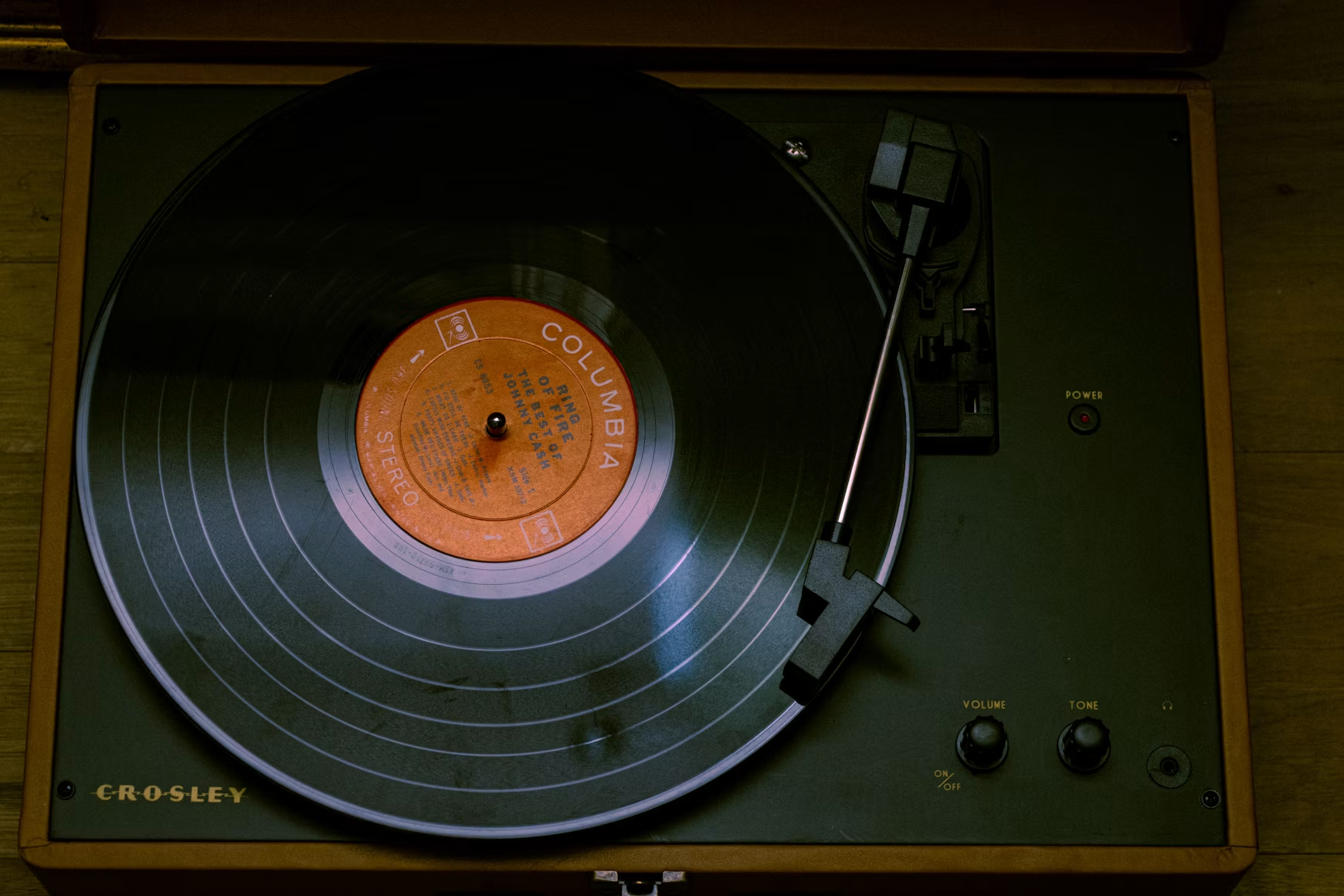
Back when vinyl was played on phonographs, “extended play” meant exactly what it sounds like. A standard 7-inch single played for just a few minutes. An EP squeezed in extra songs and ran longer, but it didn’t stretch all the way to a 12-inch LP record.
That physical logic doesn’t apply anymore, but the term stuck around. On Spotify, Apple Music, and other music streaming services, an EP means 4 to 6 tracks, with a runtime of 30 minutes or less. Apple Music will even add “- EP” onto a release title automatically if it meets these parameters.
A release with just 1 to 3 tracks can still count as an EP if one of those songs goes for 10 minutes or longer. So a short tracklist doesn’t automatically mean “single.” Runtime and track count are both taken into consideration.
Many artists choose the EP format to achieve a specific goal. It gives them a way to release music between full albums. They can test out a new sound or give new listeners a shorter, lower-commitment way into their catalog.
What Is an LP in Music?
LP stands for Long Play. It refers to a full-length music release, one with enough songs and runtime to count as a complete project rather than a shorter release.
Columbia Records introduced the format in 1948, according to Britannica, spinning records at 33⅓ RPM instead of the faster speeds used before. That slower speed allowed a lot more music to be packed onto one disc, and that’s exactly why the record got the name Long Play.
An LP typically has more tracks than an EP (around 7 or more) and runs longer, generally past 30 minutes. Artists use that added length to create a full body of work with intentional song sequencing, mood changes, and more complete storytelling.
People use “LP” as a stand-in for “full-length album” in everyday conversation. Technically, they aren’t identical. LP started out as a name for a specific physical format, while album is a broader, umbrella term. An album can exist on vinyl, on cassette tape, on compact disc (CD), or purely as a digital release.
That distinction is important for accuracy. Someone writing about music history or metadata should still know how the two terms differ.
What Is the Difference Between an EP and LP?
The main difference between an EP and LP is size. An EP is a shorter collection of songs, and an LP is a full-length project. But track count only tells part of the story. Runtime, creative scope, production demands, and release strategy are crucial, too.
Number of Songs
An EP typically has 4 to 6 songs. An LP typically has 7 or more. Artists and platforms follow these numbers as a rough guide.
They are not a fixed requirement. Plenty of releases bend these rules, and that’s fine.
Total Runtime
Runtime is just as important as track count. According to Apple Music’s distribution guidelines and Spotify’s classification standards, a release is considered an EP when it has 4 to 6 tracks and is under 30 minutes.
Cross either line — more tracks or more time — and most platforms will reclassify it as an album instead.
Creative Scope
An EP tends to zoom in on one idea. Maybe it’s a single sound, a short era in an artist’s life, or an experiment they want to try. An LP gives an artist enough space to write several connected songs that build on one another.
Production and Budget
An LP demands more effort. More songs mean more recording sessions, more mixing and mastering passes, more artwork decisions, and a longer promotional runway. Add a physical release into the mix, and vinyl or CD manufacturing is yet another cost and timeline to plan around.
An EP needs fewer of these steps: fewer songs to record and mix, a smaller promotional push, and a shorter path from finished recording to release day.
Release and Promotion Strategy
An EP is easier to put out often. Artists use them to stay in front of listeners between bigger releases, without needing a massive campaign behind every one. An LP usually needs a longer promotional cycle, but it also gives an artist more to work with: multiple singles, music videos, press coverage, and a tour built around a longer, more varied setlist.
EP vs LP vs Album: Are LPs and Albums the Same Thing?
LPs and albums are usually the same thing.
People use “LP” and “album” interchangeably because an LP is generally a full-length release. LP started as a name for the long-playing vinyl format specifically, while “album” is a broader word that covers a full-length release on vinyl, CD, or streaming media.
Here’s how the three formats stack up:
- A single is one song, sometimes with a second track or remix attached.
- An EP is a short release. It’s more than a single but less than a full-length project.
- An album (or LP) is a full-length release with enough songs to stand as a complete body of work.
Each term means something specific:
- EP describes the type and length of a release.
- Album is the broader category for any full-length release, regardless of format.
- LP was originally a physical format name, but today, most people use it as another word for a full-length album.
Knowing this difference helps when you’re reading release credits or browsing a streaming platform. It’s also useful if you want to figure out why a specific project was tagged as an “EP” instead of an “Album” on a digital music platform like Spotify.
Why Do Artists Release EPs Instead of LPs?
Artists release EPs to test new sounds, introduce themselves to new listeners, remain visible between albums, and put out music faster while spending less time and money.
For example, a newer artist might not have enough strong material for a full album yet. An EP lets them put music out anyway. Some artists use an EP to test a new sound. They try out something different but don’t need to bet an entire album on it.
It’s also a common way to introduce yourself to a new audience; a short release gives new listeners an easy way in.
EPs are also a good way to fill the gaps between albums. They keep an artist in front of listeners and give them something new. Some artists release a tightly connected group of songs on purpose. Sometimes, a handful of tracks belong together as their own statement; they are not leftovers waiting for a bigger project. And, practically speaking, an EP means less recording, mixing, and marketing. This is a win for artists who want to release independent music or work without a large team or budget.
Finally, an EP isn’t an unfinished album. It’s its own format, chosen on purpose, for its own reasons. Plenty of artists release EPs by choice, even when they have the material and the resources to make a full album.
When Does an LP Make More Sense?
An LP makes more sense when an artist has enough strong songs to fill a full project, an established audience waiting for it, and the resources to promote a longer release.
If an artist has written a batch of songs that relate together as one larger project, an LP gives that material the space it needs. It also makes sense when an audience has grown large enough to actively wait for a full release.
An LP is the right call, too, when an artist wants to tell a bigger story. Maybe they are dreaming up a concept album or a project that needs more than five or six songs to say what it’s trying to say. The process demands adequate production and promotional capacity to pull off well: enough time, money, and a talented team to record, mix, and market the release.
Keep in mind, however, that more songs don’t automatically make a release better. A tight, laser-focused EP can outshine an LP that’s padded out with weaker filler tracks.
EP or LP: Which Should an Artist Release?
The choice between an EP or LP depends on how much strong material an artist has, how established their audience is, and how much time and money they have to spend.
Releasing a full album isn’t always the best decision. Choose an EP if:
- You have a smaller collection of genuinely strong songs.
- You’re still building your audience and want a lower-commitment way to reach new listeners.
- You want a faster release cycle.
- You have limited time, money, or team to put behind recording and promotion.
- You want to test a sound or concept.
Choose an LP if:
- You have enough high-quality material to fill a longer project.
- You have an established audience actively waiting for a full release.
- You want to tell a bigger, more connected story over the tracklist.
- You have enough resources to promote a full-length release, including singles, videos, press, and potentially touring.
The best format isn’t the one with the most songs. It’s the one that fits the music, the audience, the budget, and the purpose behind the release.
How EPs and LPs Changed From Vinyl to Streaming
The terms EP and LP started out with a physical meaning, based on how much music a vinyl record could physically hold.
A standard 45 RPM single could only hold a few minutes of music per side. An LP held a lot more. That’s why “Long Play” made sense as a name, and why “Extended Play” described something in between the two. Track count and playing time were locked to the limits of the format.
Then, things changed. Vinyl gave way to the CD era, CDs gave way to digital downloads, and downloads gave way to streaming. This is the way most people listen to music now. None of those formats have the same physical limits vinyl did. A streaming platform doesn’t care how many grooves fit on a record.
But the terms never disappeared. Artists, record labels, distributors, streaming services, charts, and fans all need a way to tell a shorter release apart from a full-length project. EP and LP do that job perfectly.
Famous EP and LP Examples
Here are some well-known EPs and LPs.
- Buzzcocks — Spiral Scratch — 1977 — 4 tracks: This short, scrappy release helped to launch British punk. The band put it out themselves on their own label—one of the first punk acts to do so.
- Ice Cube — Kill at Will — 1990 — 7 tracks, about 22 minutes: Released right after his debut album AmeriKKKa’s Most Wanted, this EP mixed new material with remixes, and still went platinum. It shows an EP can have commercial success between two album releases.
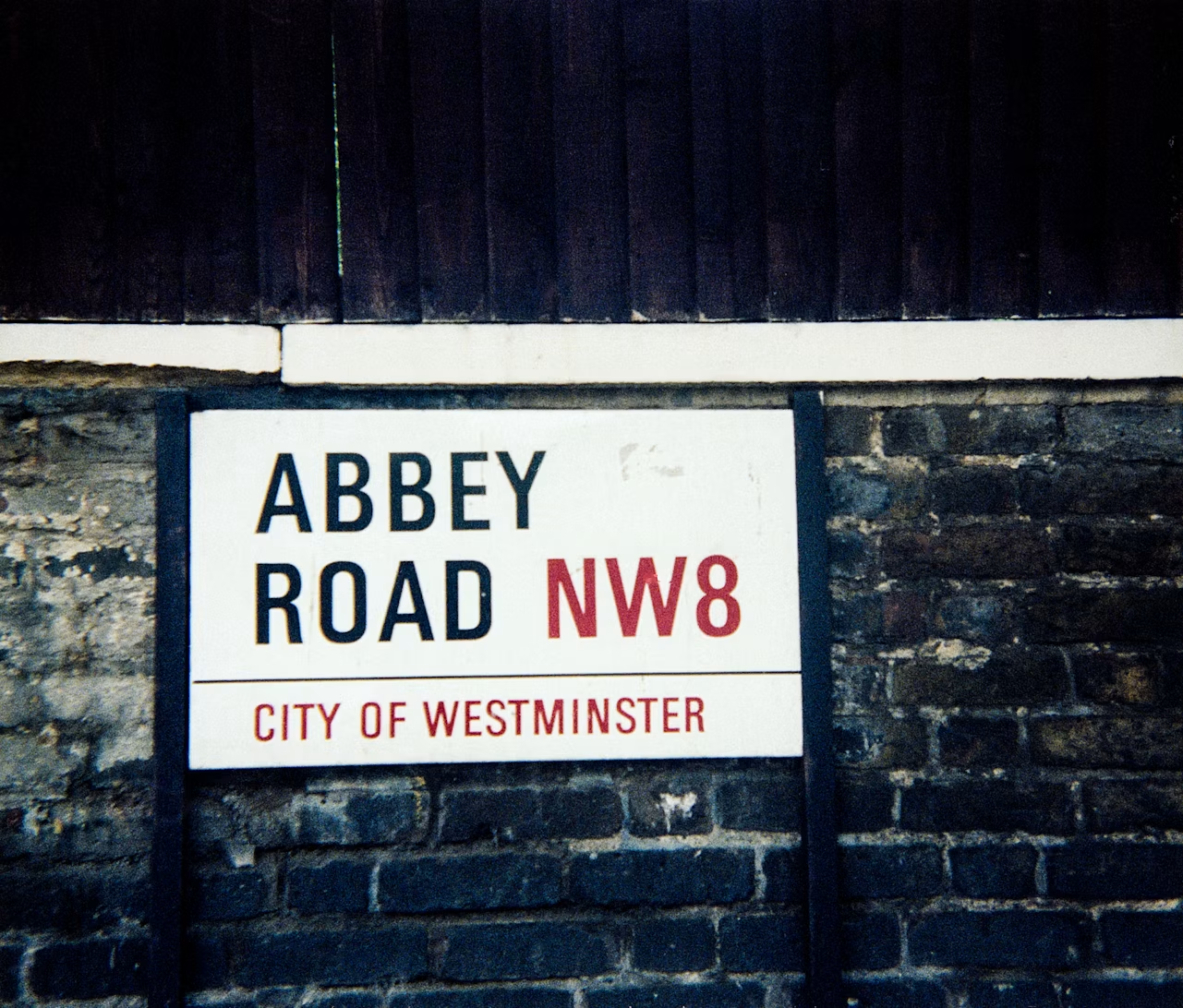
- The Beatles — Abbey Road — 1969 — 17 tracks: This LP closed out the band’s recording career, and its extended second-side medley remains one of the most studied sequencing choices in pop music. A project this size needed the room only an LP format offers.
- 2Pac — All Eyez on Me — 1996 — 27 tracks: This double album sold 10.6 million copies, making it one of the best-selling rap albums of all time. It explores the allure and pitfalls of fame and addresses social injustices.
The two EPs above are short, at 4 and 7 tracks. The two full-length LPs are longer, at 17 and 27 tracks.
Frequently Asked Questions About EPs and LPs
Is an EP longer than an LP?
No, an EP is shorter than an LP. EP stands for Extended Play and runs for less than 30 minutes. LP stands for Long Play and usually runs longer, past 30 minutes, and has more songs on the tracklist.
How many songs are usually on an EP?
A typical EP has around 4 to 6 songs. Some platforms allow exceptions: a release with just 1 to 3 tracks can still count as an EP if one song is 10 minutes or longer. Runtime plays a role alongside track count.
How many songs are usually on an LP?
An LP has 7 or more songs. That said, runtime matters, too. A shorter tracklist with a longer runtime can still result in classification as a full album on some platforms.
Is an LP the same as an album?
Mostly, yes, in everyday use. Historically, LP referred to the vinyl long-playing record format, while album is a broader term referring to any full-length release. Today, most people use “LP” and “album” as interchangeable words.
Can an EP have 7 songs?
Sometimes, yes. It depends on runtime, the platform, and how the distributor labels the release in its metadata. A 7-track release with a runtime under 30 minutes might still get classified as an EP, even though 7 tracks is usually associated with an album.
Can an EP be longer than 30 minutes?
Occasionally, yes, though it’s uncommon. Classification rules aren’t identical across every platform or organization. A longer EP might still get labeled that way depending on track count and how the release was submitted.
Is an EP better than an album for new artists?
Neither format is inherently better. To release an EP, an artist needs less material and fewer resources, which makes it a practical option for those just starting out in the industry.
Final Thoughts
In short, an EP is a shorter release, and an LP is a full-length one.
But song count alone only tells one part of the story. Runtime, creative scope, production commitment, and release strategy separate the two formats as well.
Whether you’re a listener trying to make sense of a new release or an artist deciding what to put out next, both formats serve different, equally important purposes. An EP isn’t a lesser version of an LP album, and an LP isn’t automatically the better choice. Each one does its own job, and the right option depends entirely on what the music and the moment call for.